In this area
The Berlin issue
Kreuzberg, Berlin: where the city still runs on friction
From Mustafa’s queues to canal-side beers and queer nights that start after the U-Bahn stops, Kreuzberg is Berlin at its loudest, hungriest and most stubbornly itself.
By Lena FuchsCorner Kneipe to the 8am club queue
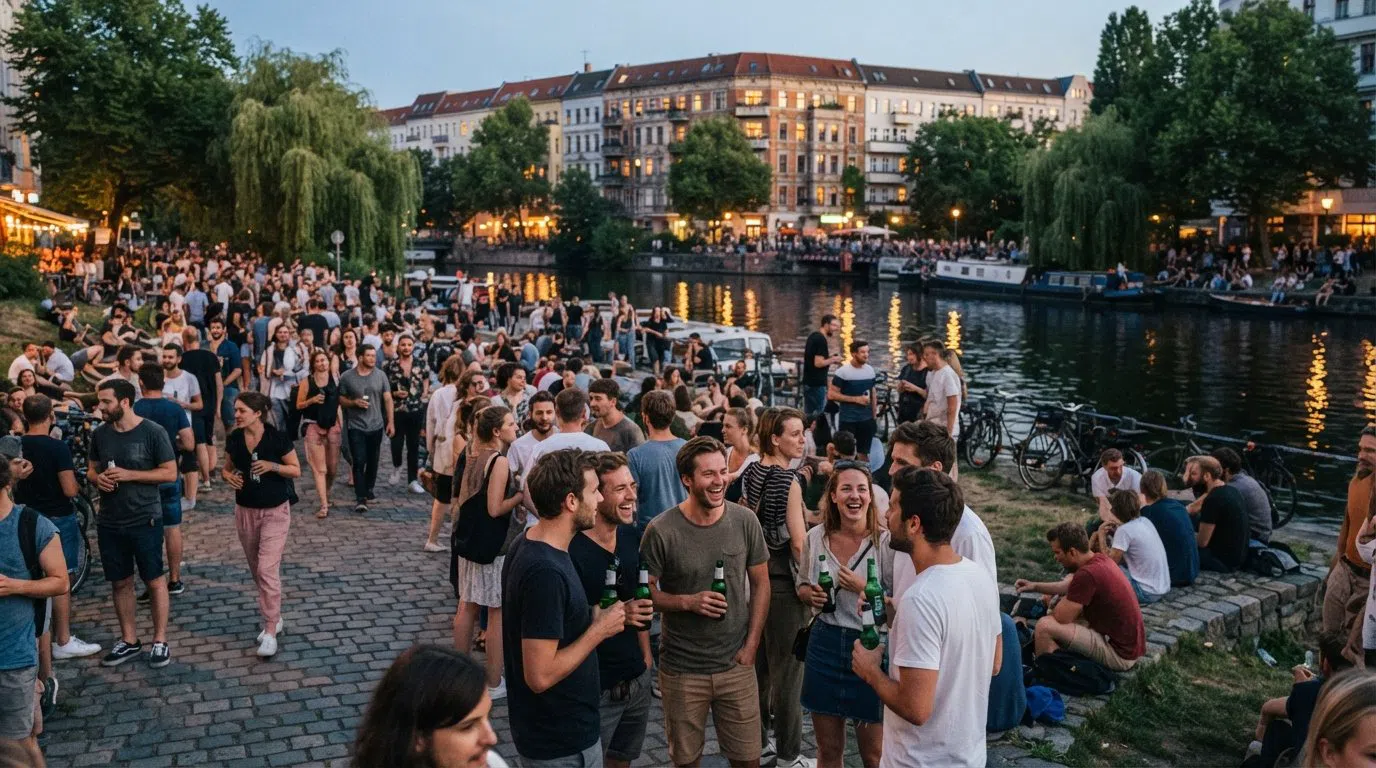
On a warm Friday, the queue outside Mustafa's Gemüse Kebap on Mehringdamm bends around the block while, a couple of U-Bahn stops east, the whole neighbourhood decamps to the grass banks of the Landwehrkanal with Späti beers and a borrowed guitar. That is Kreuzberg in one sentence: a place where dinner can mean standing in line with half the city, and the evening can end with your shoes in the dust by the water, listening to someone sing badly and beautifully at once.
What Kreuzberg is known for
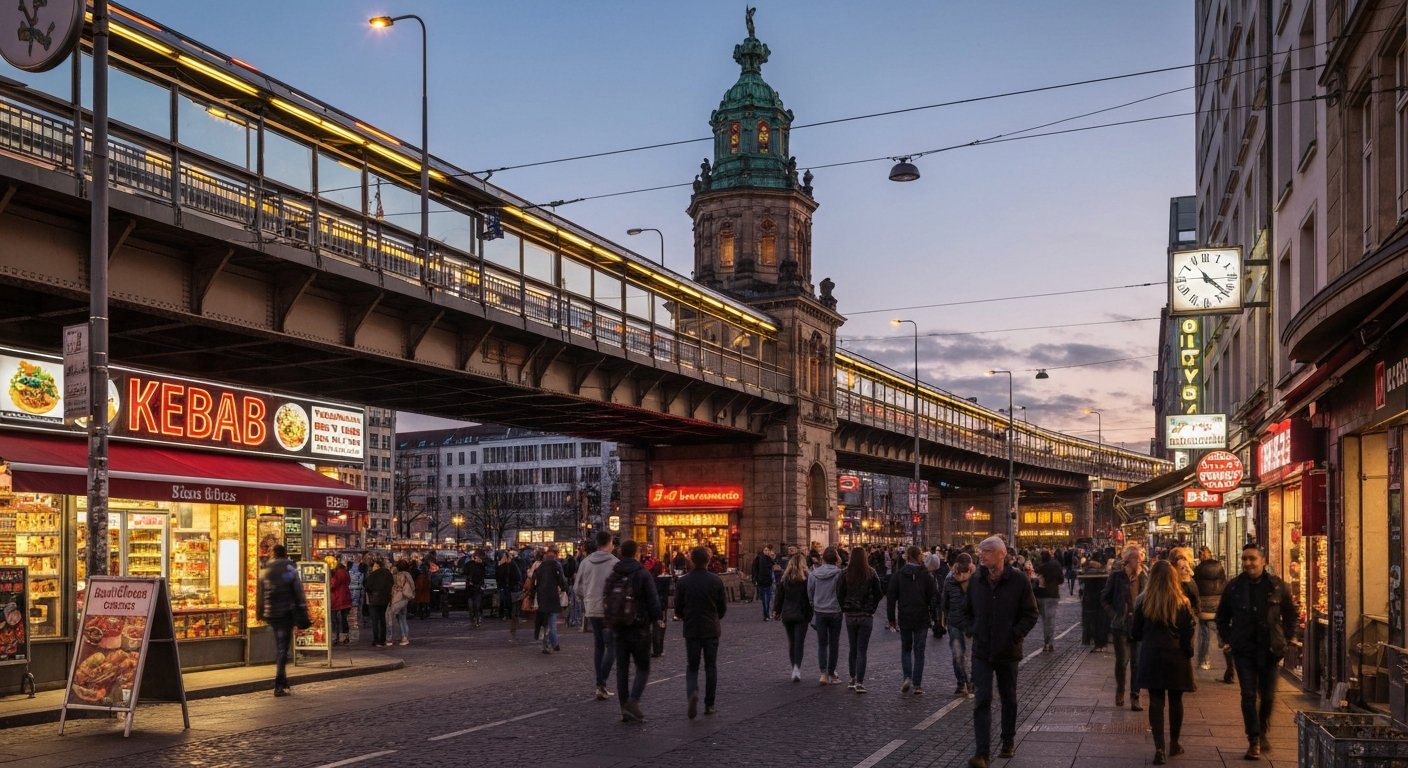
Kreuzberg has always been a neighbourhood that prefers noise to polish. The eastern half, still called SO36 after its old postal code, was boxed in by the Wall until 1989, and that pressure cooker made it cheap, defiant and gloriously mixed. Squatters, punks, Turkish guest-worker families and draft-dodgers all piled into the same streets and, somehow, never really left. You feel that inheritance most sharply around Kottbusser Tor and Oranienstraße, where kebab counters, Turkish greengrocers, tenants' rights banners and clubs that don't get going until the U-Bahn has stopped running share the same block without fussing about it.
This is also the birthplace of Berlin's May Day protests, and that political edge still sits in the air. Kreuzberg can be scruffy, densely lived-in and unpretentious to a fault, but it is never passive. The district likes friction. It likes contradiction. It likes the fact that a drag bar, an anarchist bookshop and a two-star restaurant can all be neighbours and nobody has to explain the arrangement.
Then there is the other Kreuzberg, west of Mehringdamm, where the mood softens into the Bergmannkiez. Here the façades are 19th-century, the side streets are leafier, and Sunday can feel almost provincial if you catch it early enough. Below Viktoriapark, café tables spill onto the pavement, second-hand shops take their time, and the whole place seems to exhale. But even here, the district never becomes precious. The soundtrack still includes the rattle of the elevated U1 overhead, and in summer the Landwehrkanal ties both halves together with a low hum of conversations that drifts on past midnight.
Plan your Berlin trip
Live prices from our booking partners.
Guests & rooms
Free cancellation on many rooms. We may earn a commission when you book.
Where to eat & drink
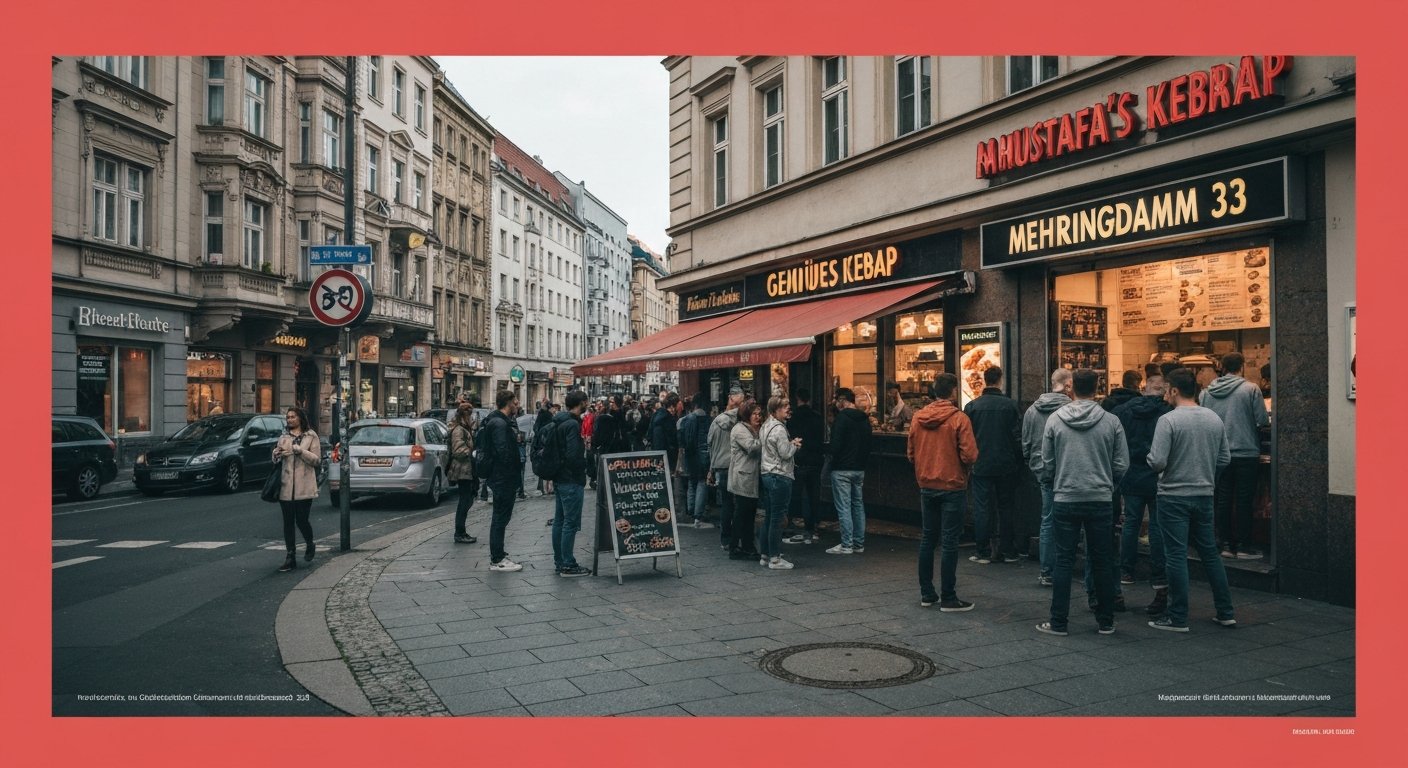
If Kreuzberg has a universal ritual, it is the queue. Start with the obvious pilgrimage: Mustafa's Gemüse Kebap, which in July 2025 shuffled across the street to a bigger site at Mehringdamm 33. It is still the veg-and-halloumi döner that launched a thousand queues, and the trick is simple enough — come early or late, not in the middle, and accept that the line is part of the meal.
A few doors down, Curry 36 provides the counterpoint: currywurst, late into the night, no ceremony required. That is the neighbourhood in miniature. One place asks you to wait. The other feeds you now. Between them, Mehringdamm becomes a kind of open-air canteen for the city.
For a fuller cross-section of Kreuzberg's appetite, head to Markthalle Neun on Eisenbahnstraße. This restored 1891 market hall is part grocery hall, part social engine, and on Street Food Thursday from 5 to 10pm it turns into a global tasting room. Tacos, dumplings, barbecue, Sironi's Italian focaccia, Kaffee 9 — it all spills through the hall with the kind of cheerful density that makes you want to graze rather than sit. Even on quieter days, the hall's bakery and cheese counters keep it grounded in the everyday. It is one of those places where the district's ambition shows without losing its street-level ease.
Turkish breakfast is another Kreuzberg constant, though it is less a single venue than a local language. Across the SO36 grid, laden platters of cheese, olives, eggs, jam and warm bread arrive with the confidence of a neighbourhood that has been breakfasting this way for years. You do not come here for dainty portions. You come because the table lands full and stays that way.
At the top end, Kreuzberg punches absurdly hard for such a rough-edged district. Restaurant Tim Raue holds two Michelin stars for its punchy, Asian-leaning tasting menus, and Horváth on Paul-Lincke-Ufer also holds two stars for modern Austrian cooking beside the canal. Then there is Loumi, just 14 seats on Paul-Lincke-Ufer, which earned a Michelin star in 2025 for a single seven-course menu. That concentration matters: it says everything about Kreuzberg that you can eat a kebab with your elbows tucked in at one end of the spectrum and, a few streets away, sit down to some of the most ambitious cooking in Berlin.
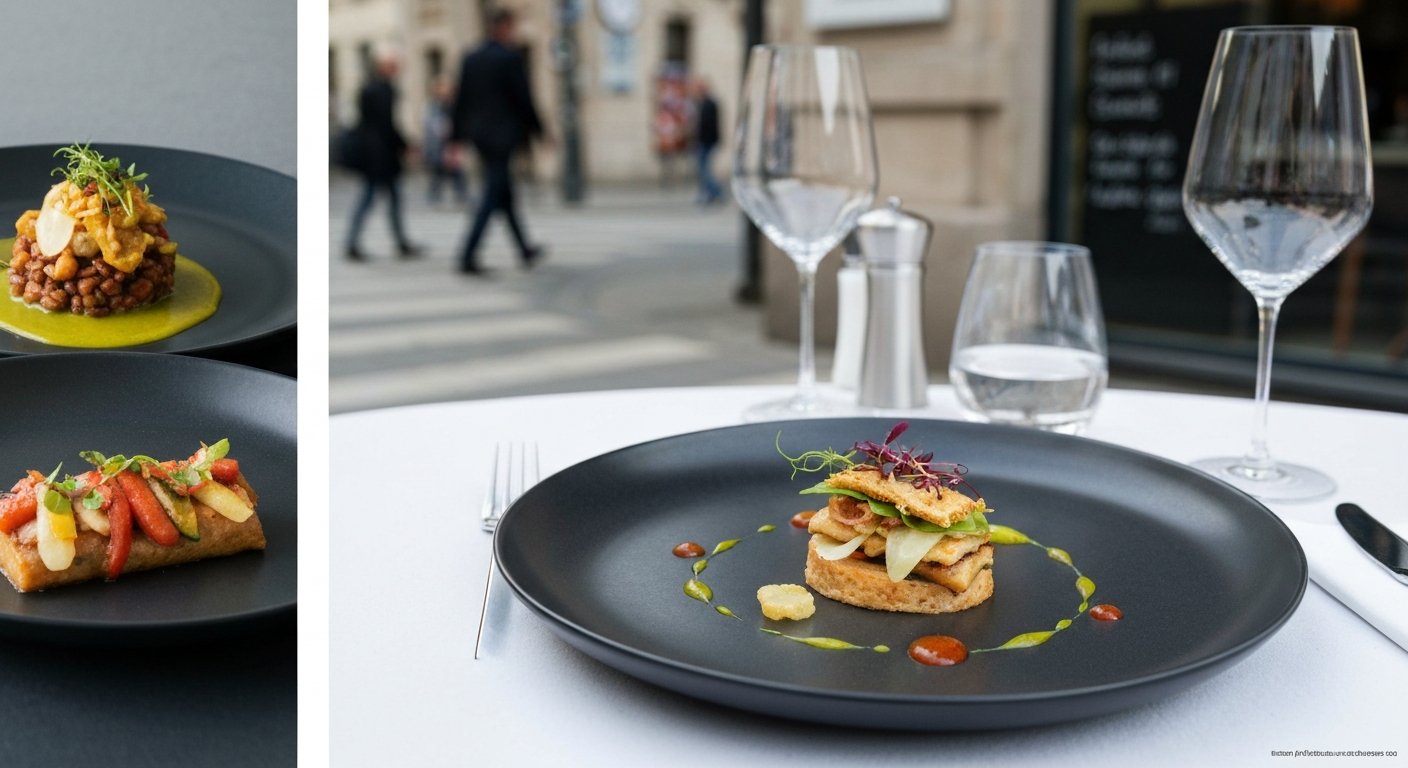
If you want older and cheaper, Alt Berliner Wirtshaus Henne has been serving its knife-free half-broiler chicken for over a century. It is the sort of place that reminds you Kreuzberg's appetite is not only for novelty. Some institutions survive because they know exactly what they are.
Going out
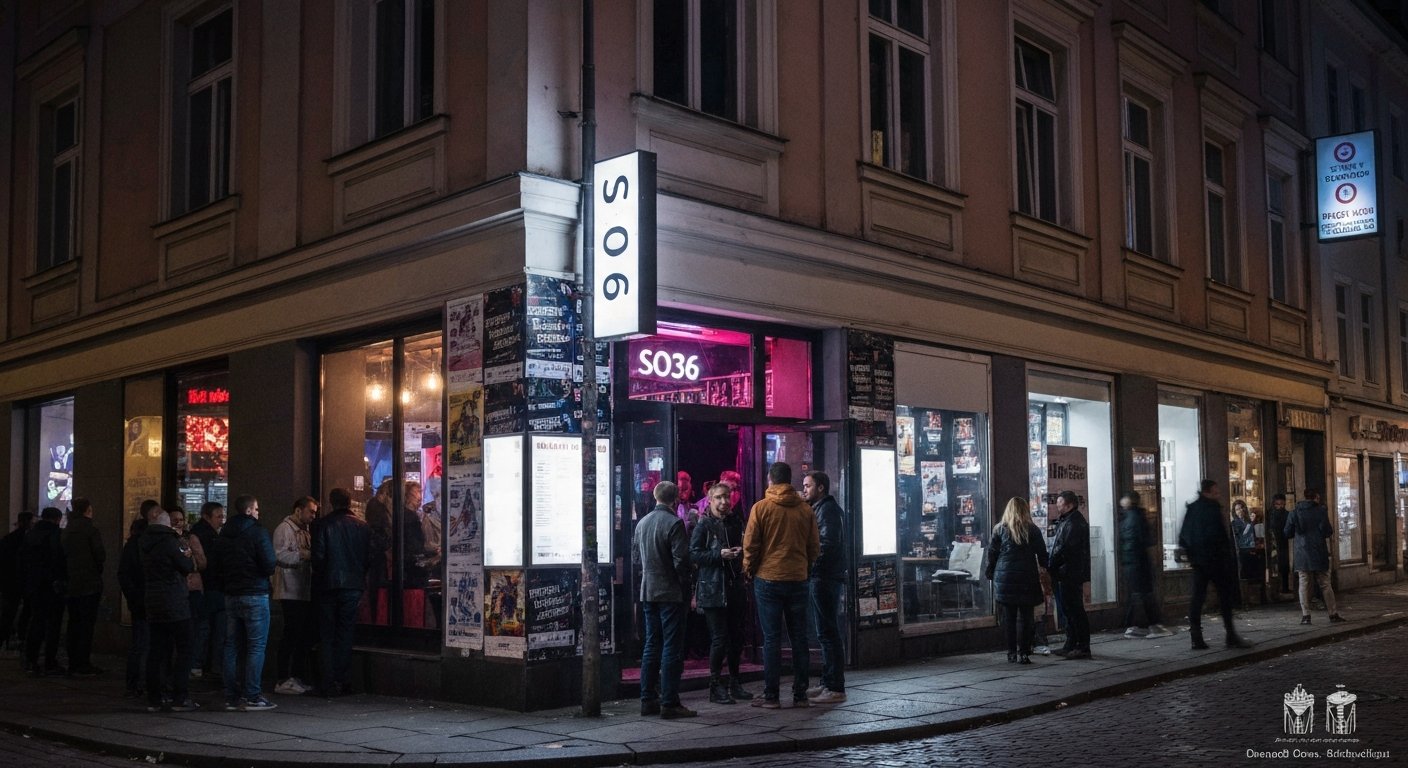
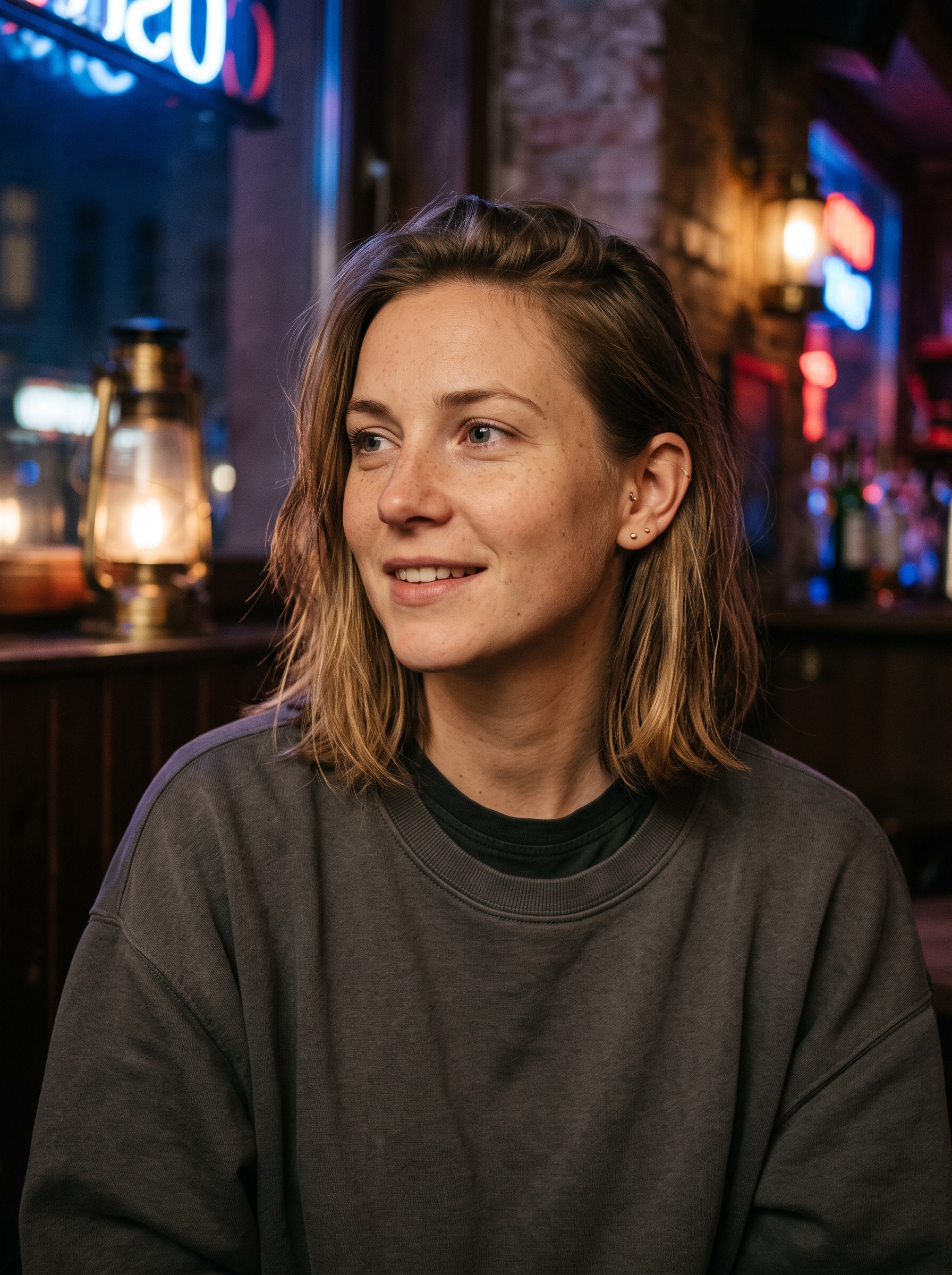
Kreuzberg's night is raw and long, and it doesn't much care what you're wearing. The anchor is SO36 on Oranienstraße, a punk venue since the 1970s that also throws some of the city's best queer parties, including the legendary Turkish-German drag night Gayhane. That room still carries the charge of the neighbourhood's old defiance. You can feel it before the first bassline lands.
Around Kottbusser Tor, the queer heart beats hardest. Möbel Olfe, a former furniture shop turned mixed-and-gay institution, is open Tuesday to Saturday, with women*-focused Tuesdays and busy gay Thursdays. Next door, Südblock acts as the all-comers counterweight: café, bar and stage, with karaoke, readings and drag brunch. The two together make a pretty good argument for staying out late in this part of town, because the energy is social before it is anything else. You can drift in for a drink and find yourself still there when the room tips from conversation into music.
For cocktails, Würgeengel is the classic move, styled after 1920s Berlin, while Roses keeps its long-running queer bar status with fuzzy red-velvet walls that feel like they have absorbed a thousand conversations and a few bad decisions. These are not polished cocktail temples. They are places with a pulse.
When the night turns bigger, Ritter Butzke on Ritterstraße is the labyrinthine former factory that still sells out weekends of house and techno. Prince Charles, near Moritzplatz, runs electronic nights in a former swimming pool, which is one of those Berlin details that sounds invented until you stand in the room and realise the city has always had a taste for repurposing its own leftovers. In summer, Birgit & Bier on the Spree at Schleusenufer offers the beer-garden-meets-techno move: daylight, water, open air, then a slow tilt toward the dancefloor.
One honest note, because Kreuzberg has enough mythology already: Watergate, the district's most famous riverside club, shut for good after New Year's Eve 2024. Ignore the older guides that still send you there. The city moves on whether the internet does or not.
Things to do / what to see
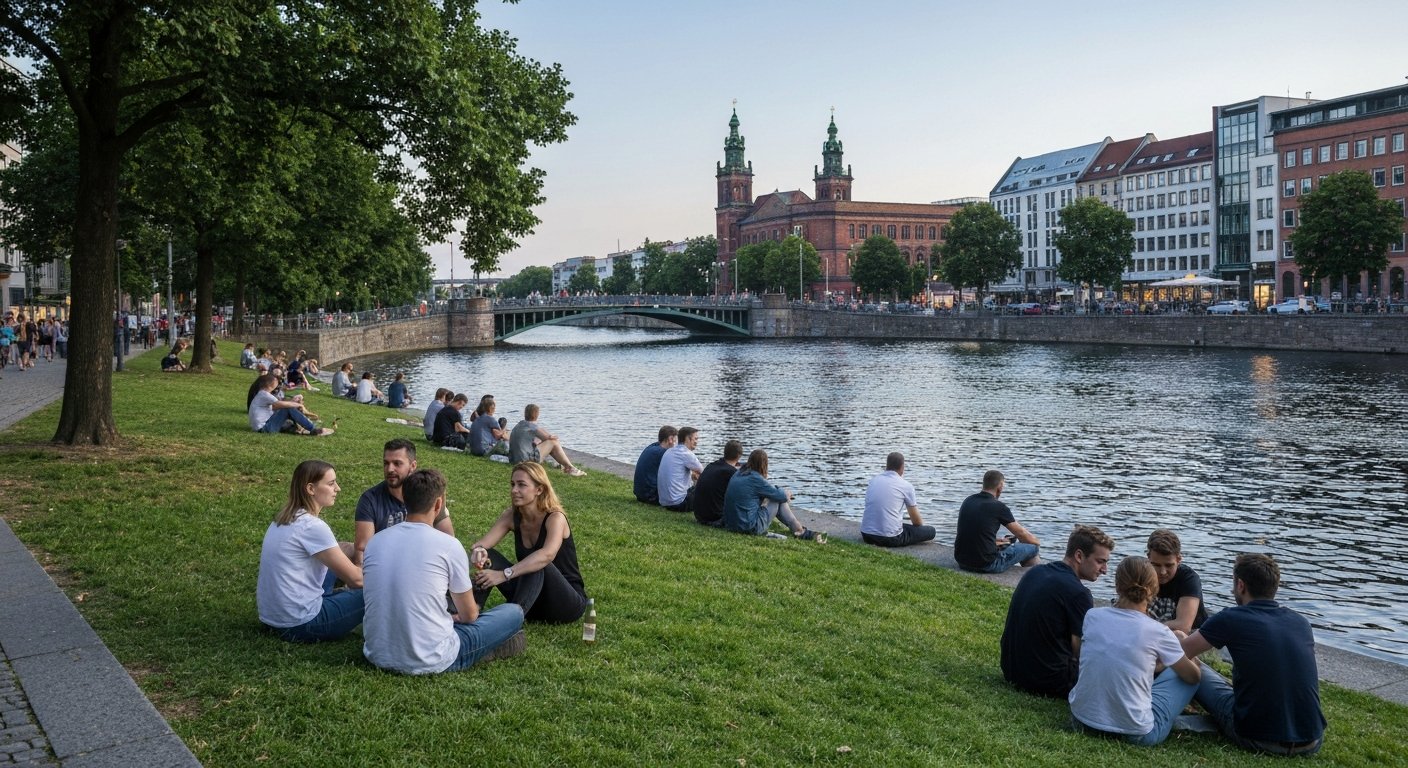
The single best free thing to do in summer is nothing in particular: bring a beer to the Landwehrkanal and join the crowds along Paul-Lincke-Ufer and the Admiralbrücke, where most warm evenings bring impromptu music and a dozen languages at once. This is where Kreuzberg relaxes without ever really going soft. People sit on the grass banks, perch on the bridge, pass bottles, and watch the light slide across the water while the neighbourhood keeps talking around them.
Cross to Maybachufer on a Tuesday or Friday for the Türkischer Markt, Berlin's best-loved weekly market, with up to 180 stalls and hours from 11:00 to 18:30. It is the kind of market that feels both practical and festive: produce, cheese, fabric, Turkish snacks, and a steady stream of people who know exactly why they are there. Even if you buy nothing, the walk itself is part of the point.
Görlitzer Park, or Görli, is the district's messy central green. It is also a place with a long-running argument attached to it, because the night-closure fence has been an ongoing saga and, in June 2026, a court suspended the nighttime lock-up, so the opening rules can shift with the politics. That uncertainty is part of the Kreuzberg story too: public space here is never just scenery.
For calm and a view, climb Viktoriapark to the Kreuzberg monument and the artificial waterfall above Bergmannstraße. It is the district at its most unexpectedly graceful, a place where you can look back over the city and remember that Kreuzberg contains both the racket and the relief.
Culture-wise, the striking Daniel Libeskind-designed Jewish Museum Berlin on Lindenstraße is essential, not least because it makes the district's broader history feel tangible rather than abstract. The East Side Gallery stretch of painted Wall runs along the district's northern edge, another reminder that the boundaries Kreuzberg once lived under are still visible in the city fabric. And at Moritzplatz, the community-run Prinzessinnengarten offers a leafy urban-gardening pocket that feels like a small act of repair in the middle of all this density.
In summer, there is also the Badeschiff, a pool moored in the Spree at the Arena complex with a sandy bar deck and roughly €6–8 entry. It is not exactly a secret, but it does give the district another of its useful contradictions: a place where you can go swimming with the city around you.
Don’t miss in Kreuzberg
Landwehr Canal banks
Markthalle Neun
The Berlin Wall's East Side Gallery nearby
Shopping & markets
Kreuzberg shopping is about small, specific and second-hand rather than chains. Bergmannstraße in the west is the classic browse: a run of vintage and second-hand boutiques, record shops, antiquarian booksellers and design stores that can swallow an afternoon without trying too hard. It is the sort of street where you drift from one window to the next and lose track of time in the best possible way.
Anchoring that stretch is the Marheineke Markthalle, a covered market hall with fish, cheese, flower and butcher stalls plus deli and wine traders. Outside on Marheinekeplatz, a Sunday flea market brings prints, records and bric-a-brac into the open. The whole setup feels like the Bergmannkiez version of shopping: practical, local, and just unruly enough to stay interesting.
Over east, Markthalle Neun doubles as a weekday grocery hall between the big street-food events, with its own bakery and cheese counters. And no Kreuzberg shopping list is complete without the twice-weekly Türkischer Markt on Maybachufer, which is as good for cheap fabric, spices and Turkish groceries as it is for a snack. If you need one place to understand how the district feeds itself, this is it.
For a more design-led errand, the shops around Moritzplatz, including the multi-storey Modulor art-and-crafts store at Aufbau Haus, round out the practical end of the neighbourhood. Kreuzberg does not shop like a luxury district. It shops like a place where people actually live, repair, make and improvise.
Where to stay in Kreuzberg
Choose your Kreuzberg by how much noise you can take. The Kottbusser Tor / Oranienstraße core in the east puts you right in the action — kebabs, bars and clubs on the doorstep — but it is loud, edgy and busy round the clock, best for younger, nightlife-led travellers who will not be in bed before 2am. If that sounds like your kind of holiday, you will be very happy here. If not, you will spend the night negotiating with the street.
The calmer, still-central option is Bergmannkiez in the west, around Bergmannstraße and below Viktoriapark. It is leafy, café-lined and much quieter at night, while still handy for the U6/U7 at Mehringdamm. The stretch along the Landwehrkanal and Graefekiez splits the difference: pretty, walkable and social in summer, with enough movement to feel alive without the full Kotti thrum.
Expect mostly independent hotels, design-led boutiques and a strong hostel scene rather than big international chains. The overall price feel is mid-range, with genuine budget beds easy to find near Kotti and Mehringdamm. Wherever you land, you are 10 to 15 minutes from Mitte by U-Bahn, which is one of the practical reasons Kreuzberg keeps pulling people back.
Hotels in Kreuzberg
Our best-rated stays in this neighbourhood. Prices are approximate “from” rates — confirmed at the provider when you continue. We may earn a commission if you book through our partners — at no extra cost to you.
In this area
In this area
In this area
In this area
Kreuzberg
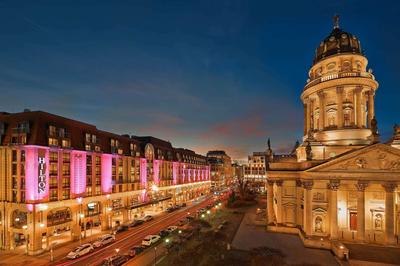
NH Collection Berlin Mitte am Checkpoint Charlie
8.5· 11,803 reviews
approx. from£99 / nightSee prices
In this area
Kreuzberg
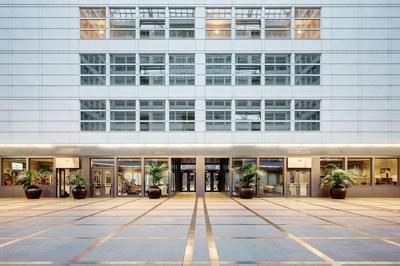
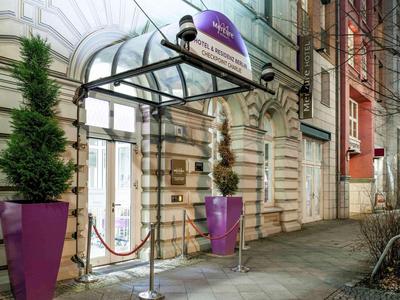
Mercure Hotel & Residenz Berlin Checkpoint Charlie
9.0· 5,057 reviews
approx. from£91 / nightSee prices
In this area
In this area
In this area
In this area
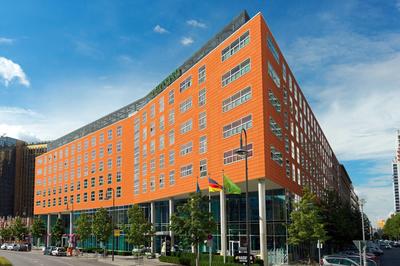
Kreuzberg
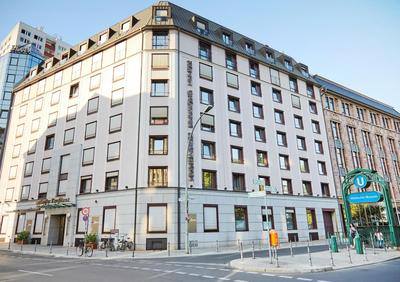
Courtyard by Marriott Berlin City Center
9.0· 3,492 reviews
approx. from£150 / nightSee prices
In this area
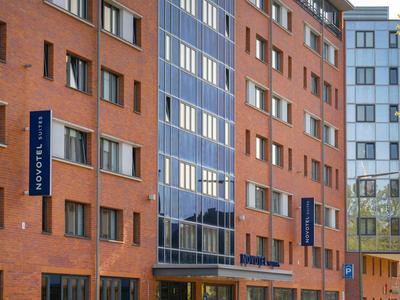
Kreuzberg
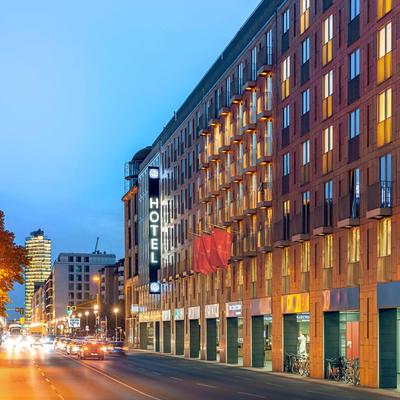
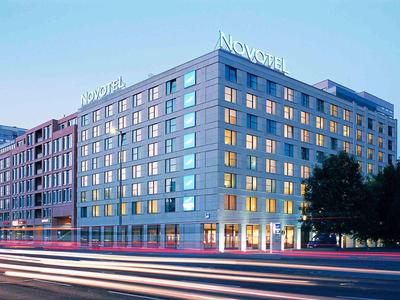
Novotel Suites Berlin City Potsdamer Platz
8.2· 15,415 reviews
approx. from£107 / nightSee prices
In this area
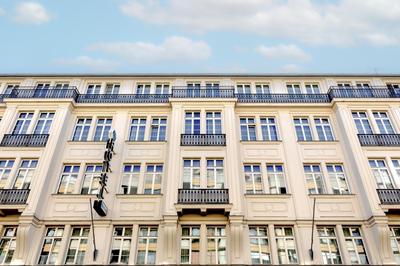
Kreuzberg
Garner Hotel Berlin - Checkpoint Charlie by IHG
8.2· 2,231 reviews
approx. from£87 / nightSee prices
Getting around
Kreuzberg is compact and made for walking, though its two halves are a good 20 to 25 minutes apart on foot, so the U-Bahn earns its keep. Kottbusser Tor is the pivot, where the elevated U1/U3 cross the U8. The U1/U3 viaduct also stops at Görlitzer Bahnhof and Schlesisches Tor in the east, handy for Birgit & Bier and the general drift of the nightlife circuit, while Prinzenstraße and Hallesches Tor cover the north.
In the west, Mehringdamm sits on the U6/U7 for Mustafa's, Curry 36 and the Bergmannkiez, and Möckernbrücke links the U1/U3 and U7. Reaching central Mitte or Alexanderplatz is roughly 10 to 15 minutes door to door. There is no direct train to BER airport from Kreuzberg: change onto the S-Bahn or a regional train, with an ABC-zone ticket required, and expect about 40 to 55 minutes all in.
Bikes are everywhere, and the flat, canal-side streets make cycling the most pleasant way to move between the eastern and western halves. That is probably the most Kreuzberg answer of all: move at street level, keep your options open, and let the neighbourhood reveal itself one block at a time.
Gallery
Kreuzberg in pictures
Kreuzberg — your questions
Is Kreuzberg a good area to stay in Berlin?
Yes, if you want to be in the thick of it. Kreuzberg is central, superbly connected by U-Bahn, and packed with food, bars and nightlife — ideal for first-time and younger visitors after the classic Berlin experience. The trade-off is noise and grit, especially around Kottbusser Tor. If you want the same district a little quieter, base yourself in the western Bergmannkiez near Mehringdamm instead.
Is Kreuzberg safe?
Broadly yes. It’s a busy, well-populated district and violent crime against visitors is uncommon. The main caveats are visible low-level drug dealing around Kottbusser Tor and Görlitzer Park after dark, plus pickpocketing in crowded markets and clubs. Keep your valuables secure, stay aware late at night, and you’ll be fine.
What is the difference between SO36 and the rest of Kreuzberg?
SO36 is the eastern half, named after its old West Berlin postal code, and it’s the grittier, louder, more multicultural and party-focused part — think Kottbusser Tor, Oranienstraße and Görlitzer Park. The western half around Bergmannstraße is prettier and calmer, with leafy streets, cafés and Viktoriapark. Same district, two very different tempos.
What should I eat first in Kreuzberg?
Start with Mustafa’s Gemüse Kebap on Mehringdamm 33, then work your way through Curry 36, Turkish breakfast, and a Street Food Thursday at Markthalle Neun if your timing works. If you want a sit-down splurge, Kreuzberg also has Restaurant Tim Raue, Horváth and Loumi within walking distance of each other.