In this area
The Berlin issue
Mitte, Berlin: the city’s centre of gravity
From Museum Island to Auguststraße, Mitte is Berlin at its most monumental, walkable and layered — a district where the grand sights sit one courtyard, one bar or one S-Bahn stop away from the life happening behind them.
By Lena FuchsCorner Kneipe to the 8am club queue
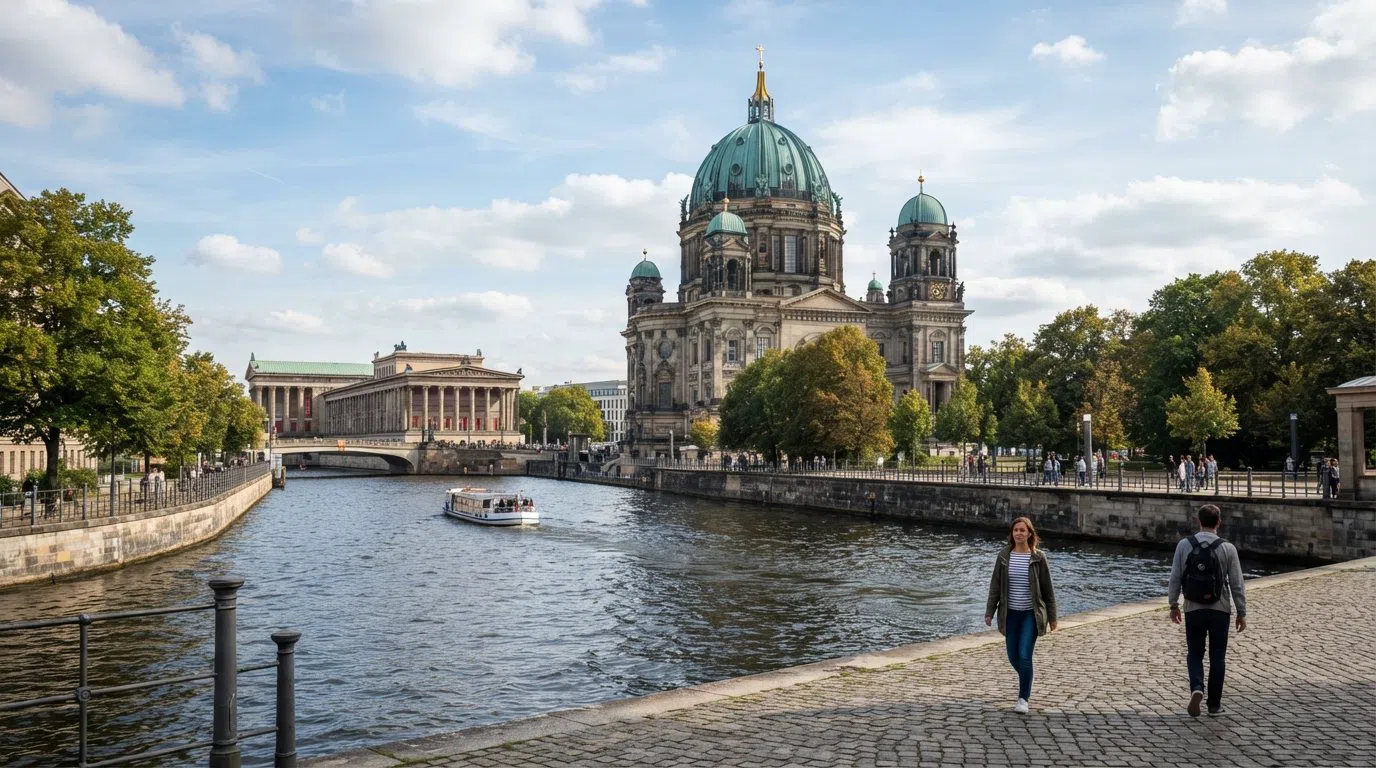
Cross the Spree at Hackescher Markt and Mitte makes its pitch in hard stone and soft light: the Pergamon’s Ishtar Gate, the Reichstag’s glass dome and Nefertiti’s 3,300-year-old bust all sit within a 25-minute walk of each other, and the city’s centre suddenly feels less like a map coordinate than a working neighbourhood with a very expensive address. This is the Berlin that gets photographed first, then lived in second. By breakfast the grand axis is already moving — school groups, coach tours, government suits, a few locals cutting through on bikes — but one courtyard back, the pace changes. The bells soften, the plane trees do their work, and the district starts to show why people stay after the monuments have been ticked off.
What Mitte is known for
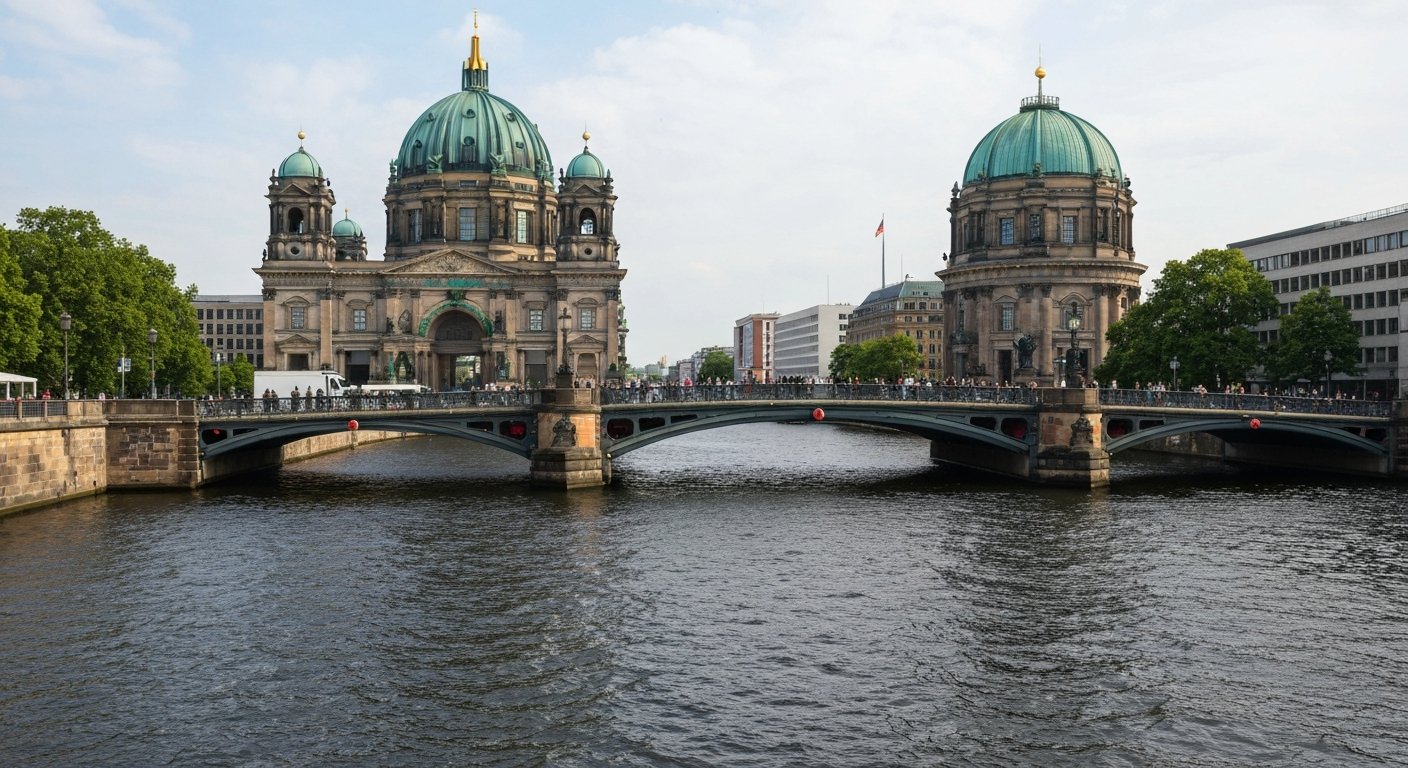
Mitte is the postcard, but it is also the splice between two Berlins: the ceremonial centre built for power, and the quieter northern lanes where the old Jewish quarter still has enough texture to stop you in your tracks. Museum Island is the obvious starting point, a UNESCO World Heritage ensemble on the Spree with five institutions — the Pergamonmuseum, the Neues Museum, the Alte Nationalgalerie, the Bode-Museum and the Altes Museum — now joined in the skyline by the reconstructed Humboldt Forum in the Berlin Palace and the domed Berlin Cathedral. It is all grand granite and river glare, a place where you can stand still and watch the city’s history stack itself layer by layer.
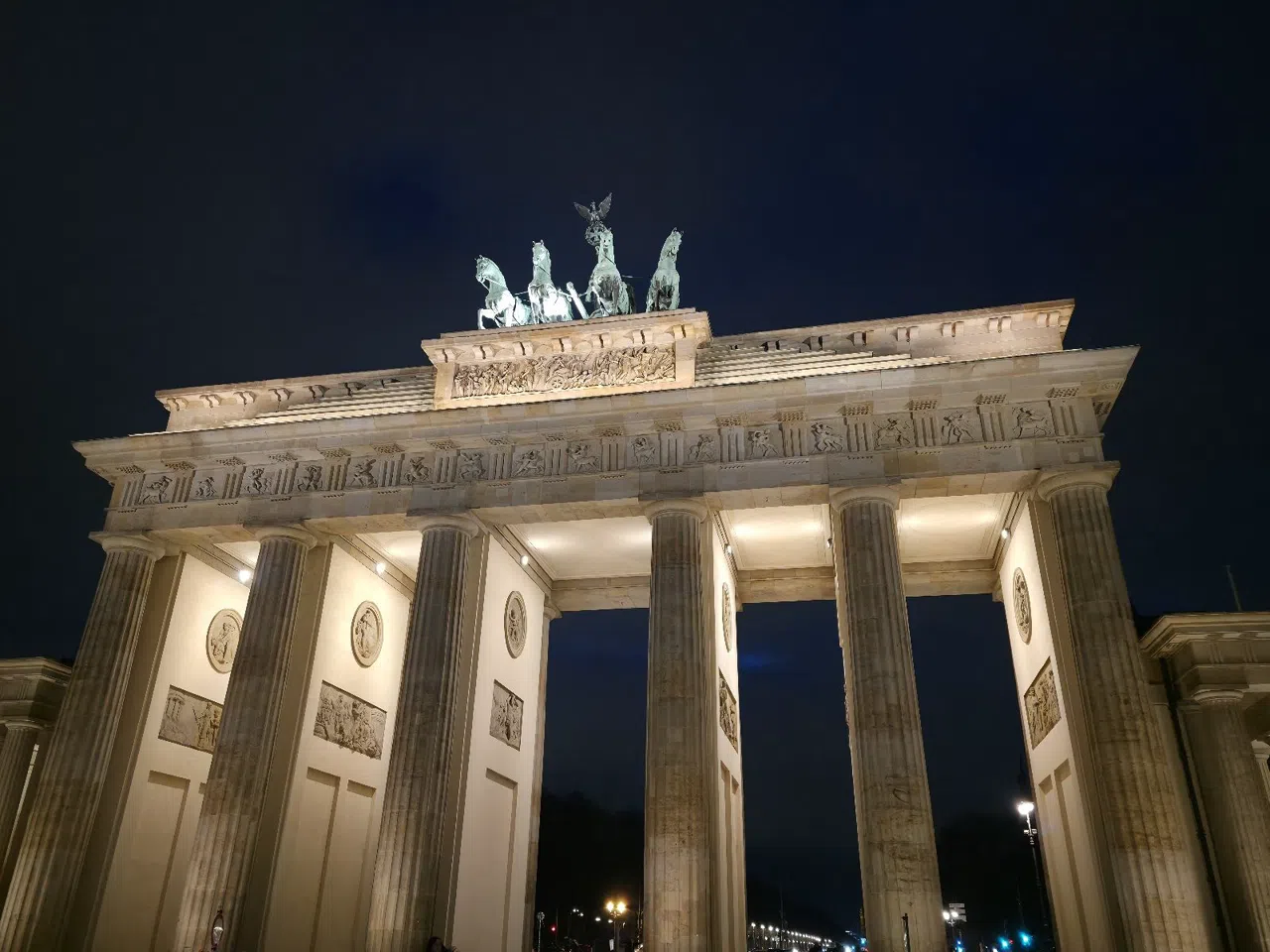
Ten minutes west, the Brandenburg Gate still does what it has always done: gathers people. On Pariser Platz it sits with the kind of confidence that makes every phone come out, while just south of it the Memorial to the Murdered Jews of Europe pulls the mood sharply inward with 2,711 grey stelae you can walk into day or night. This is Mitte’s emotional whiplash in one short stroll — triumphal stone, then silence, then the low murmur of traffic again. And because the district is central in the most literal sense, the Reichstag is never far away, its Norman Foster glass dome a free visit if you register online in advance. The climb is part architecture lesson, part city survey, part reminder that Berlin likes to make its institutions transparent.
Then there is the vertical punctuation mark that keeps reappearing over the rooftops: the Berlin TV Tower at Alexanderplatz, 368 metres high and the tallest structure in Germany. You can ride it for the panorama, or simply let it orient you when you surface from the U-Bahn and need to know which way the day is leaning. Around it, the district feels more urban and less ceremonial — concrete, trams, station crowds, the old East Berlin pulse — but even here Mitte keeps its trick of compressing eras into a few blocks.
The neighbourhood’s quieter signatures live north of the main drag. The art-nouveau Hackesche Höfe — eight interlinked courtyards off Rosenthaler Straße — are the sort of place you enter for a shortcut and end up lingering in for an hour, and the Spandauer Vorstadt, the historic Jewish quarter around Auguststraße and Oranienburger Straße, is where the district’s real sound comes through: bicycle bells, café chatter, an accordion drifting out of Clärchens Ballhaus, the rattle of the S-Bahn on its brick viaduct. This is the version of Mitte that feels inhabited rather than performed.
Plan your Berlin trip
Live prices from our booking partners.
Guests & rooms
Free cancellation on many rooms. We may earn a commission when you book.
Where to eat & drink
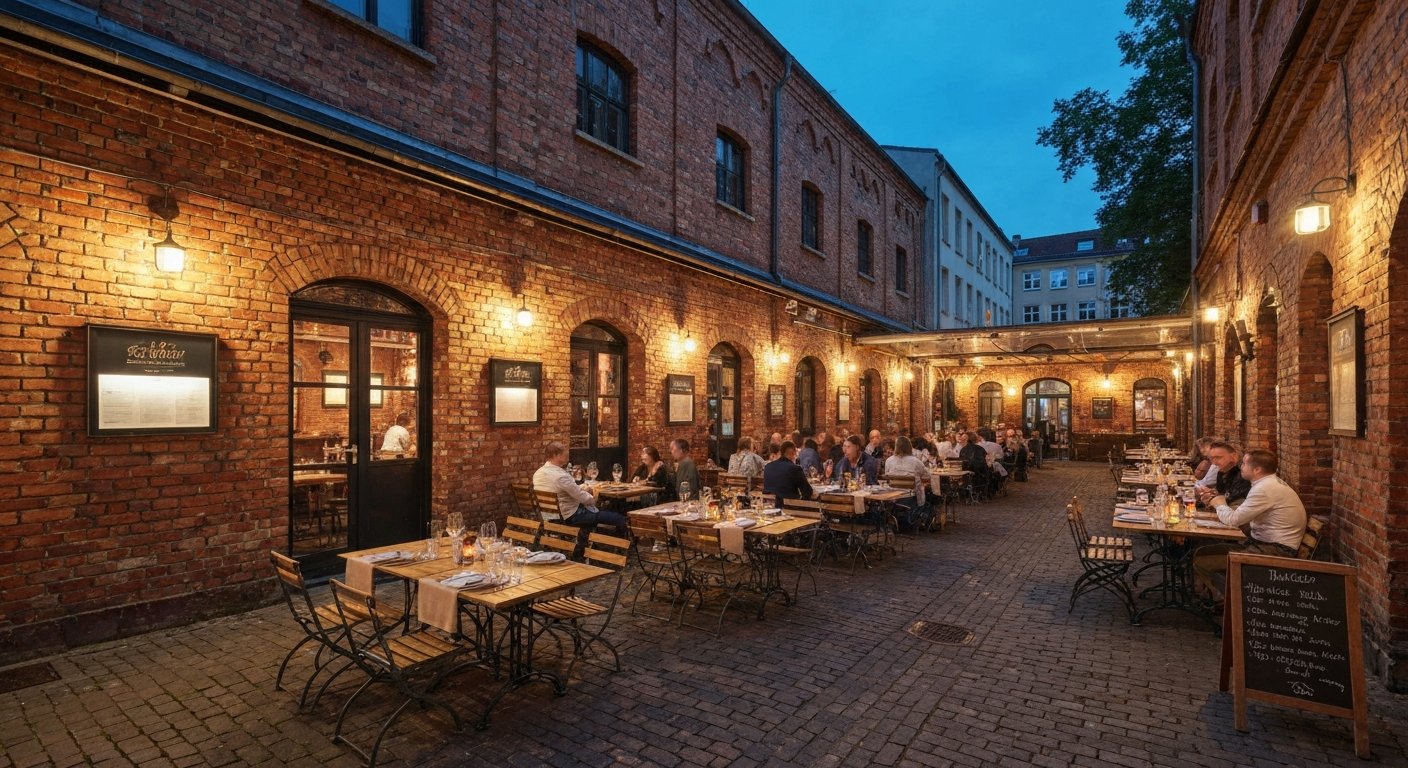
Mitte can eat on reputation alone near the main sights, but the better meals are tucked just off-axis, in courtyards and side streets where the district’s polish gets a little more relaxed. Katz Orange on Bergstraße is the dinner I’d send you to first: modern German, slow-cooked meats, seasonal produce, and a converted 19th-century brewery courtyard that gives the room a sense of place before the first plate lands. It is atmospheric in the proper way, not the overlit, overdesigned way. You feel it as much as you taste it.
Trio, a 2023 arrival, takes a different route but lands with the same confidence. Its Central European comfort food — German meatballs, Hungarian goulash, Austrian fried chicken — reads like a map of the region without getting heavy about it. Clärchens Ballhaus, meanwhile, is one of those places that carries its own weather: the reopened ballroom on Auguststraße now houses Luna d’Oro on the ground floor, where comfort-food classics sit under old chandeliers and the room still feels like it has heard a century of stories before yours.
For lunch, the district’s Asian options are stronger than the tourist gloss suggests. Liu is the Sichuan answer when you want heat and precision at midday. Jolly does seriously good Peking duck a short walk from Museum Island, which is exactly the kind of practical luxury that makes Mitte useful as a base. Stoke gives Japanese yakitori the fine-dining treatment, while Kin Za near Alexanderplatz brings Georgian khachapuri and dumplings into the mix. Yafo turns Israeli plates into a weekend party, which means dinner can drift into something louder and later without you changing rooms.
Brunch is its own little empire here. House of Small Wonder, inside the old Jewish Girls’ School on Auguststraße, serves Japanese-inflected all-day breakfasts in a room of spiral staircase and plants that seems designed to make you slow down. Distrikt Coffee covers the specialty-roasts-and-avocado end of the spectrum in central Mitte, and it does it with enough polish to keep the laptop crowd happy without swallowing the room whole. If you want the cliché done properly, Curry 61 on Oranienburger Straße is the unfussy currywurst stop that reminds you Berlin still runs on a few simple, excellent habits.
Going out
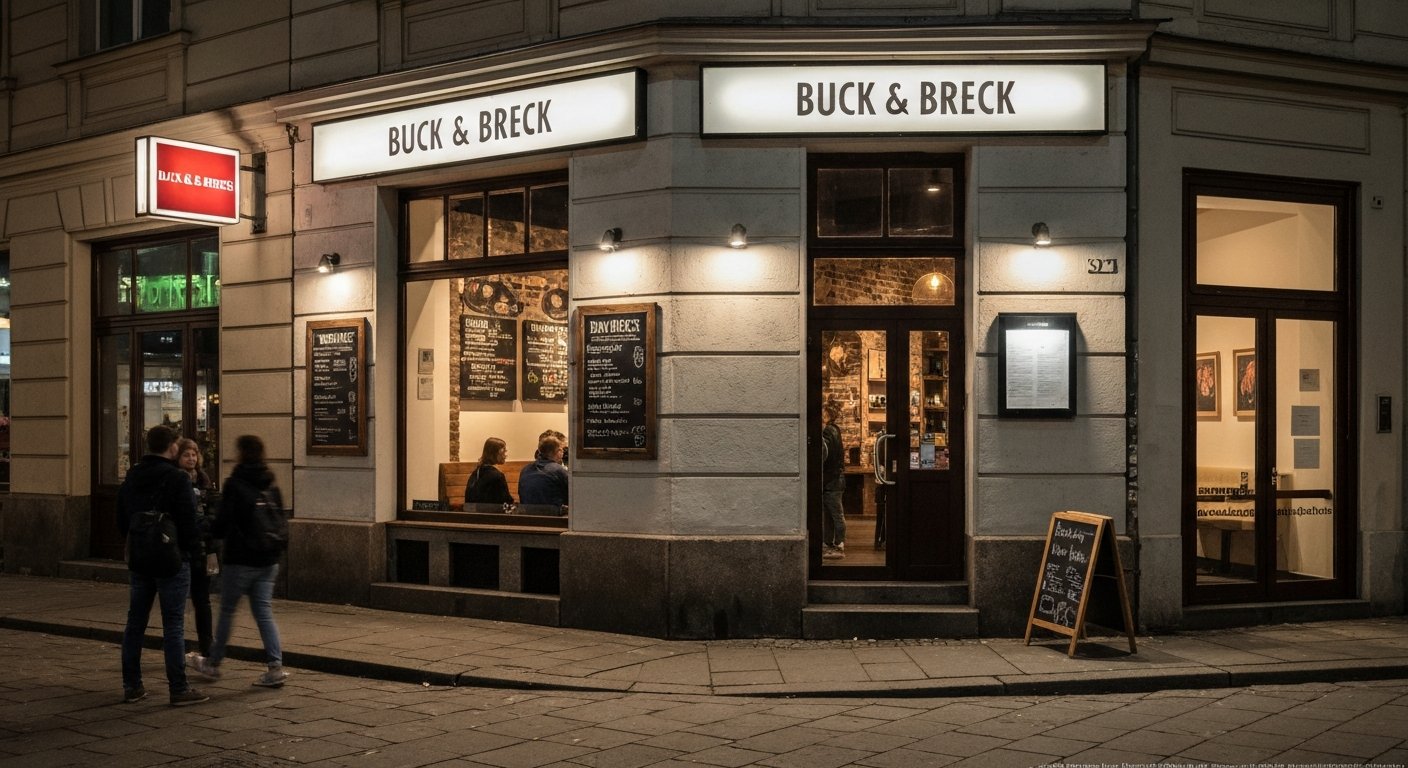
Mitte is a bar district more than a club district, which is part of its charm. The peak-hours techno pilgrimage belongs elsewhere; here, the night is built from smaller decisions — a drink before dinner, a second place after, a third because the street is still alive and you’re not ready to go back yet. The classic move is to hunt unmarked doors, and Buck & Breck is the one people whisper about for good reason. Behind a plain frontage at Brunnenstraße 177, it seats just fourteen at a communal counter, bans phones and cards, and runs a menu of forty-plus cocktails. Its namesake pour — cognac, absinthe and Champagne — is the sort of thing that tells you the room means business without raising its voice.
Clärchens Ballhaus is the other essential night story. It has been dancing for over a century, and after a full renovation it reopened in September 2024 with nightly tango, swing and social dancing in the mirrored hall and leafy garden. Even if you never step onto the floor, it gives the evening a pulse. There is something deeply Berlin about a room that can hold both nostalgia and movement without turning either into a museum piece.
For a low-key local pint, Hackbarth’s has held down its corner of Auguststraße since just after the Wall fell. It is all utilitarian-glamour brass and velvet, open until 3am, the kind of place where the night thins out at the edges and the conversation gets better. And when you want to keep walking, the bar strips along Torstraße and around Rosenthaler Platz and Oranienburger Straße fill in the gaps with wine bars and late-night spots, so you can string a whole evening together on foot without ever hailing a taxi.
Things to do / what to see
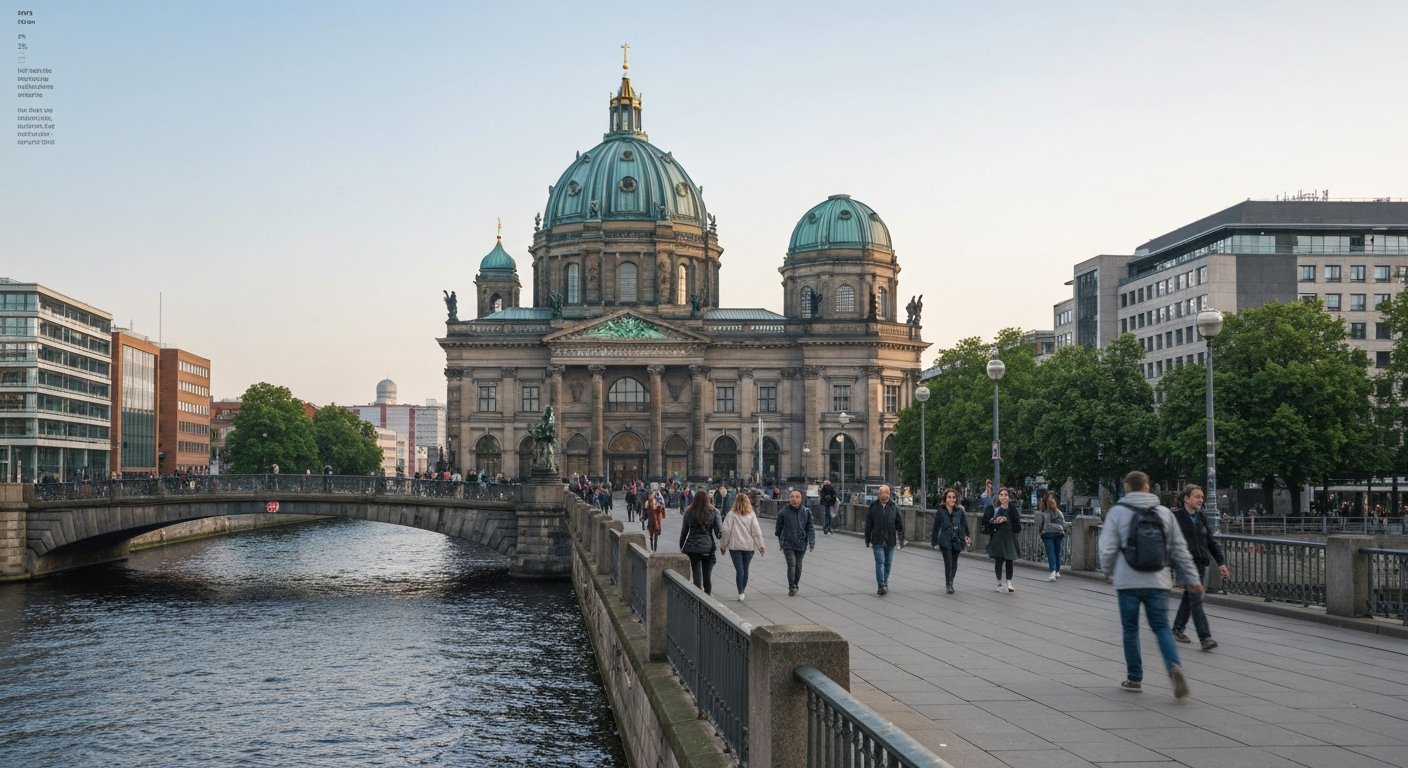
Give Mitte at least two days and you still won’t clear the list. Start where the neighbourhood begins to make sense of itself: Museum Island. A single combined day ticket covers all five houses, but buy a timed slot online because the Pergamon and Neues Museum sell out. This is not a place to rush. The island works best when you let the scale of it settle — the monuments, the river, the museums, the sense that Berlin has stacked its major cultural inheritance in one very walkable place.
From there, walk the ceremonial boulevard Unter den Linden west to the Brandenburg Gate, then south to the Memorial to the Murdered Jews of Europe. The route is short, but the emotional transitions are not. Book ahead for the free Reichstag dome for the spiralling ramp and rooftop city view, then keep the Berlin TV Tower in mind as your next orientation point if you want the widest panorama in the district.
For something off the standard route, the Boros Collection takes you into a different Berlin entirely: cutting-edge contemporary art inside a hulking WWII air-raid bunker on Reinhardtstraße, with pre-booked guided tours only. It is one of those places that makes the city’s layered history feel almost physical, as if the walls themselves are still deciding what they are for. Then, for a gentler afternoon, drift through the galleries and courtyards of the Hackesche Höfe and Auguststraße, where the pace drops and the district shows off its more lived-in side.
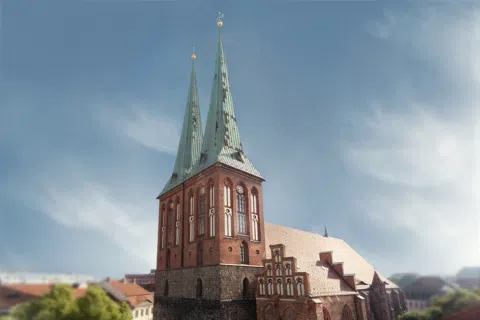
Cap the day with a rooftop coffee at the Humboldt Forum, which looks straight across the Spree to the cathedral. If your legs hold out, the DDR Museum on the river opposite gives a hands-on tour of daily life in East Germany, and a slow lap of the Nikolaiviertel — Berlin’s reconstructed medieval quarter of lanes and gabled houses just south of Alexanderplatz — makes a softer counterpoint to all the monumental stone. This is the trick of Mitte: it can be imperial, memorial, contemporary and domestic all before dinner.
Don’t miss in Mitte
Museum Island
Brandenburg Gate
The boutiques of Mulackstraße
Shopping
The independent-shopping heartland sits in the grid around Hackescher Markt, and it is one of the few parts of Berlin where browsing feels like part of the neighbourhood’s daily rhythm rather than an interruption to it. Rosenthaler Straße, Neue Schönhauser Straße, Alte Schönhauser Straße and Oranienburger Straße string together young Berlin designers, concept stores and vintage, so you move from one good window to the next without ever really leaving the street life behind.
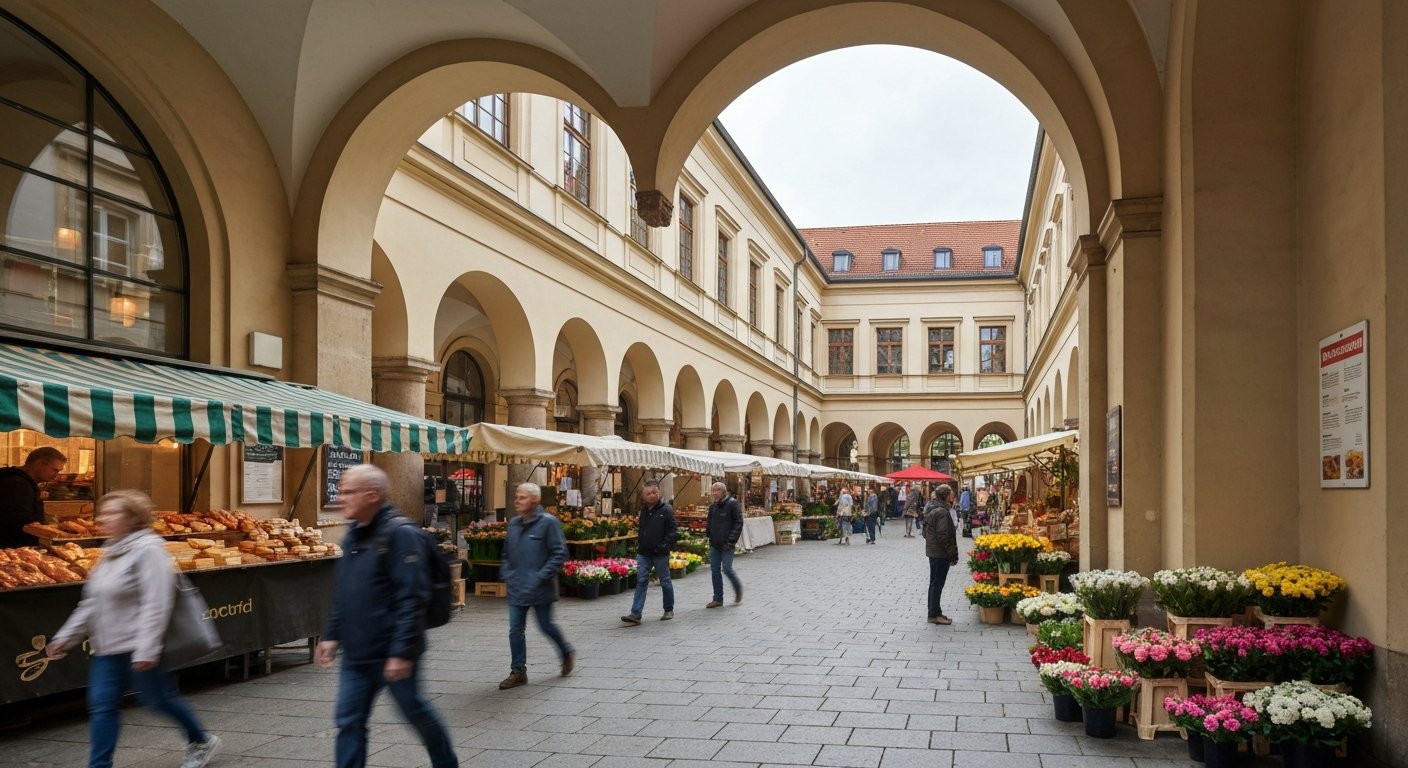
For second-hand, Made in Berlin at Neue Schönhauser Straße 19 is the well-drilled institution: racks organised by decade and colour, strong on 1960s–90s brands, the sort of place that rewards patience and a sharp eye. 140z goes harder on streetwear, across two floors with a hidden café and courtyard out the back, which gives the hunt a little extra oxygen. And the Hackesche Höfe courtyards themselves house design boutiques, a chocolatier and small ateliers, with a Saturday farmers’ market from 10am that brings bread, cheese, flowers and produce into the middle of all that masonry.
If you want a bigger, more polished haul, Friedrichstraße to the west runs the glossy end — the Galeries Lafayette rotunda and international flagships — while the Alexa mall by Alexanderplatz covers the high-street basics. Mitte is not a bargain district, and it does not pretend to be. But for one-off pieces and Berlin labels you won’t find on the high street, the Hackescher Markt grid is the place to spend an afternoon and come out with something you didn’t know you were looking for.
Where to stay in Mitte
Mitte is the safe, obvious first-timer base, and where you land within it changes the feel more than people expect. Around Hackescher Markt and the Spandauer Vorstadt — Auguststraße, Oranienburger Straße — you get the prettiest streets, the best cafés and gallery-hopping on the doorstep, with a broad range from design hotels to a few hostels. Rosa-Luxemburg-Platz and Torstraße put you on the bar strips and one U-Bahn stop from everywhere, which is the sort of convenience that starts to feel luxurious around day two. Friedrichstraße and Unter den Linden are the most polished and business-like: great transport, higher prices, less local texture. Near Alexanderplatz the sleeping options are cheaper and the transport unbeatable, but the streetscape is concrete and busy.
If you want quiet without leaving the district, the streets north of Oranienburger Straße toward Rosenthaler Platz stay calm after dark while keeping the sights a short walk south. Expect Mitte to be the most expensive district in the city to sleep in, and to pay a premium for the walk-everywhere convenience; the flip side is that a base here means you can hit Museum Island, the Reichstag and the bar strips on foot and rarely touch a train.
Hotels in Mitte
Our best-rated stays in this neighbourhood. Prices are approximate “from” rates — confirmed at the provider when you continue. We may earn a commission if you book through our partners — at no extra cost to you.
In this area
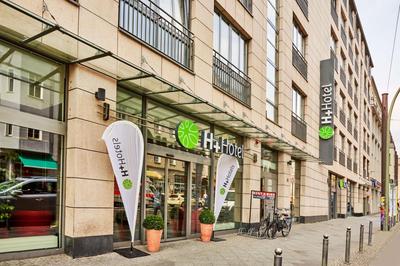
In this area
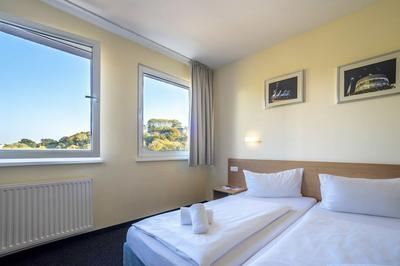
In this area
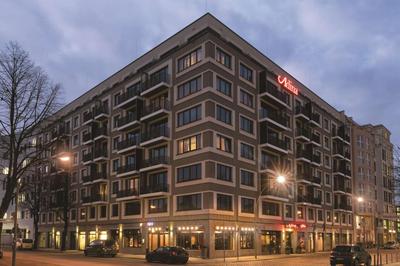
In this area
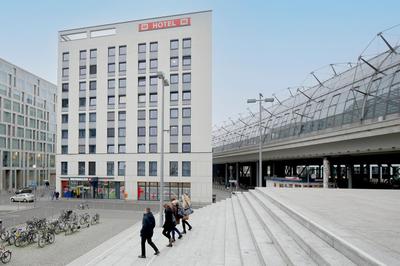
In this area
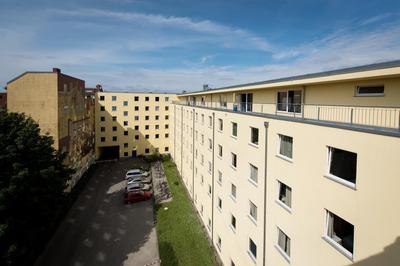
In this area
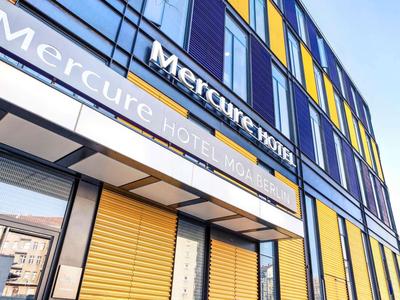
In this area
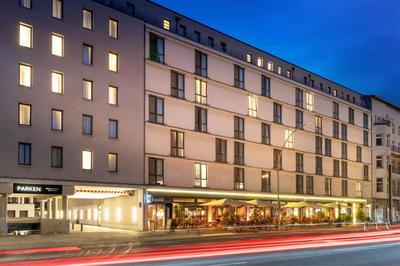
In this area
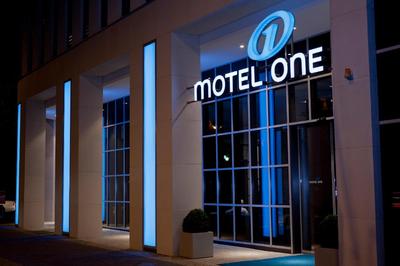
In this area
In this area
In this area
Getting around
Mitte is compact and made for walking — most of the marquee sights sit within a 25-minute stroll of each other — but it is also the best-connected district in Berlin, which is why it works so well as a base. Hackescher Markt S-Bahn, with the S3, S5, S7 and S9, is the northern hub. Friedrichstraße adds regional trains and the U6. Alexanderplatz is the giant interchange, knitting together the S-Bahn, the U2, U5 and U8 and a web of trams and buses. From Hackescher Markt or Alexanderplatz you can reach almost any other neighbourhood — Kreuzberg, Prenzlauer Berg, Friedrichshain — in 10 to 20 minutes.
For the airport, the direct S9 and regional trains run from Hackescher Markt and Friedrichstraße to Berlin Brandenburg (BER) in roughly 45 minutes. A single AB fare covers the city, while you need an ABC ticket to reach the airport. Buy the day pass and you’ll get your money’s worth. In a district this central, the real luxury is not speed. It is the ability to decide, at 10pm or 10am, that you can still walk there.
Gallery
Mitte in pictures
Mitte — your questions
Is Mitte a good area to stay in Berlin?
Yes — it’s the easiest first-timer base. You can walk to Museum Island, the Brandenburg Gate, the Reichstag and the TV Tower, and the S-Bahn and U-Bahn reach every other district in minutes. The trade-off is that Mitte is the most expensive part of the city for hotels and can feel touristy on the main streets; base yourself around Hackescher Markt or Rosa-Luxemburg-Platz for prettier, more local surroundings.
Is Mitte safe?
Very. It’s one of Berlin’s most walked and policed districts, busy day and night. Use the usual big-city caution around the crowds and transport hubs at Alexanderplatz and the station areas after dark, and keep an eye on pickpockets on packed tourist streets, but there’s nothing here that should put you off staying.
How many days do you need in Mitte?
Two full days lets you cover the essentials without rushing — a day for Museum Island and the Humboldt Forum, another for the Brandenburg Gate, the free Reichstag dome, the Holocaust Memorial and the Spandauer Vorstadt galleries. Add an evening for the bars around Auguststraße and Torstraße, and you’ll still leave with museums unseen.
What is Mitte best for?
Landmarks, museums, first-timers and a central, superbly connected base. It’s the district for walking between the big sights, then slipping into courtyards, galleries, bars and good restaurants once the crowds thin.