The Berlin issue
A Rainy Weekend in Berlin, Planned Room by Room
Berlin's grey weekends go to the people who plan doors rather than distances. Here is the indoor route, with prices, closing days and the bookings you have to make before you arrive.
By Robin van der MeerThe slow way through a fast city
Rain in Berlin does not sweep through and clear. It settles, a low grey lid that arrives on Friday and is still sitting over the city on Sunday afternoon, fine enough that you barely register getting wet until you already are. That matters more here than in denser cities, because Berlin's blocks are long and its doorways are eight minutes apart. A wet weekend here becomes a series of rooms with short rides between them, and it works or fails on how well you sequence those rooms.
Pick one building on Museum Island, not five
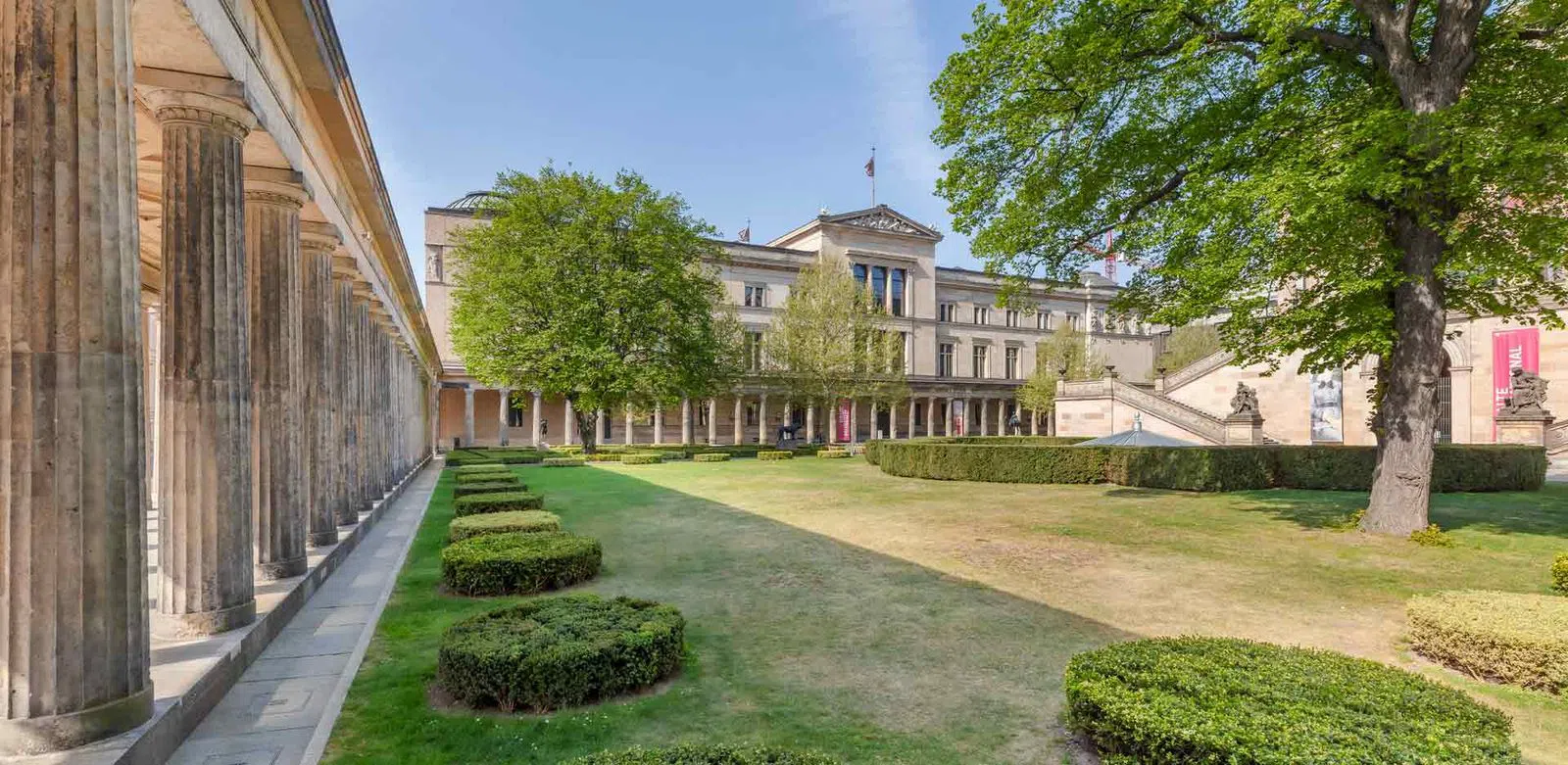
Museum Island invites the mistake of trying to do all of it. On a wet day with limited daylight, pick one, and make it the Neues Museum (Mitte, on Museum Island itself). The restoration is the reason. Instead of erasing the war damage, the rebuild left the scars legible and built around them, so you are walking through an argument about what a ruin is allowed to become. The Egyptian collection is the headline, but the staircase and the brickwork hold their own against it. Tickets run €12 to €15 for a single entry, and a Museum Island day pass is around €24, worth it only if you genuinely intend a second building, which in heavy rain most people do not. You can walk in, though a timed online ticket removes the one queue on the island that is actually outdoors. Groups can book guided tours through the Staatliche Museen group-booking service.
The Pergamonmuseum is closed until 4 June 2027. Older guidebooks and a lot of blog copy still send people there, and turning up to a shut building in the rain is a miserable way to lose an hour.
Plan your Berlin trip
Live prices from our booking partners.
Free cancellation on many rooms. We may earn a commission when you book.
The bunker hour and the big shed
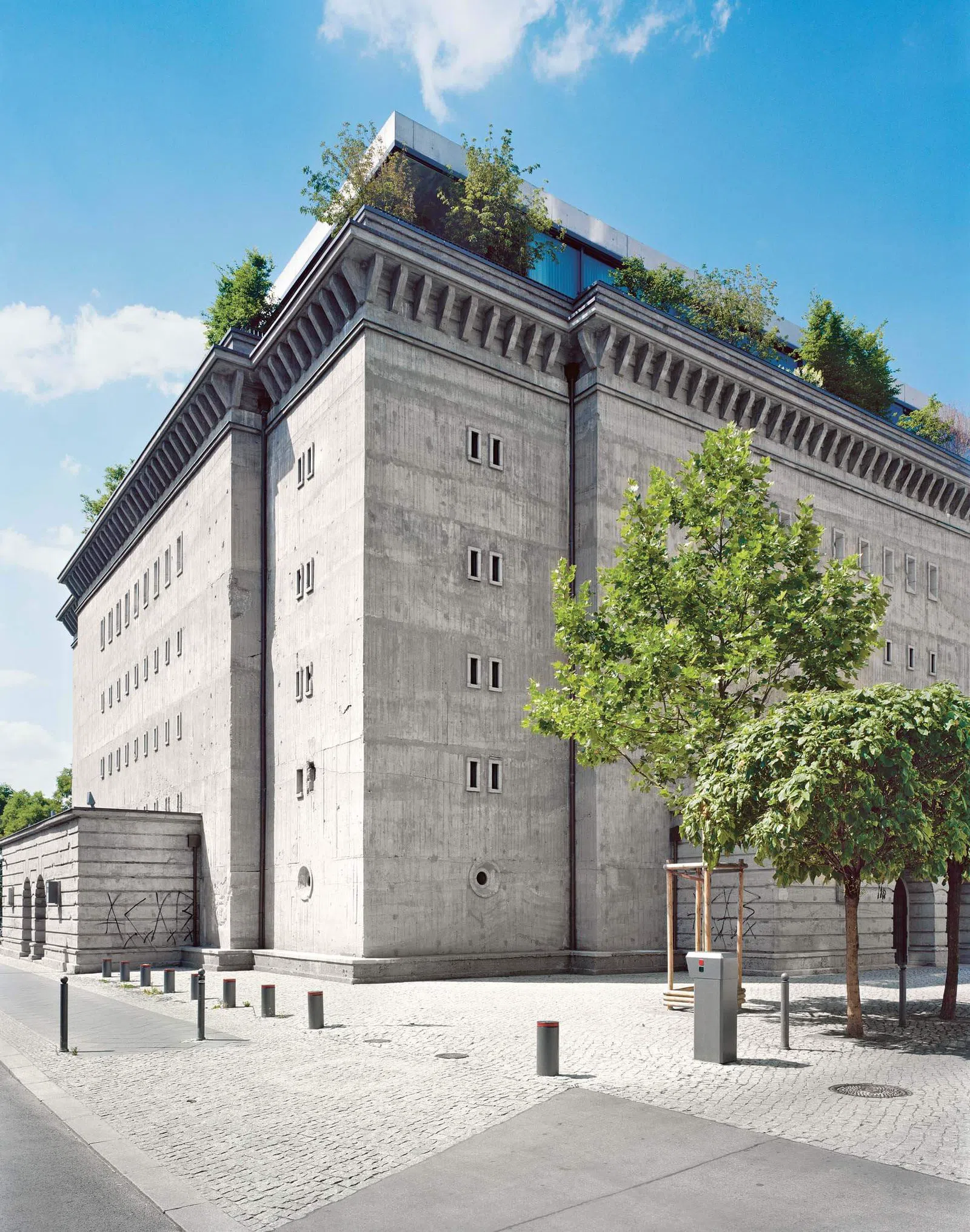
The strongest hour of art in Berlin is inside a Second World War bunker. The Boros Collection (Mitte, a few minutes from Friedrichstraße) is a private contemporary collection installed across the floors of a concrete air-raid shelter, and it runs on guided tours only, Tuesday to Sunday, departing every half hour in English and German. Groups are kept small, all bags go into lockers, and entry is €20, or €12 reduced. Larger parties can book a private tour. Book well ahead; this is not a walk-up, and slots go. The building does most of the work when the sky is grey, because raw concrete and low light stop feeling like a design choice and start feeling like the weather's natural indoor equivalent. It is not recommended for under-12s, so families with younger children should send this one to the adults and split the afternoon.
For the opposite scale, Hamburger Bahnhof — Nationalgalerie der Gegenwart (Moabit, walkable from Hauptbahnhof) is a converted railway station big enough that you can spend two hours without repeating a room. That matters when the alternative is going back outside. 'A Thousand Times Berlin: The Collection' is the anchor exhibition running through 2026. Entry is €12 to €15, the building handles groups easily, and group tours go through the museum's education service. If you are travelling with people who move at different speeds, this is the forgiving choice, with halls wide enough that nobody has to shuffle.
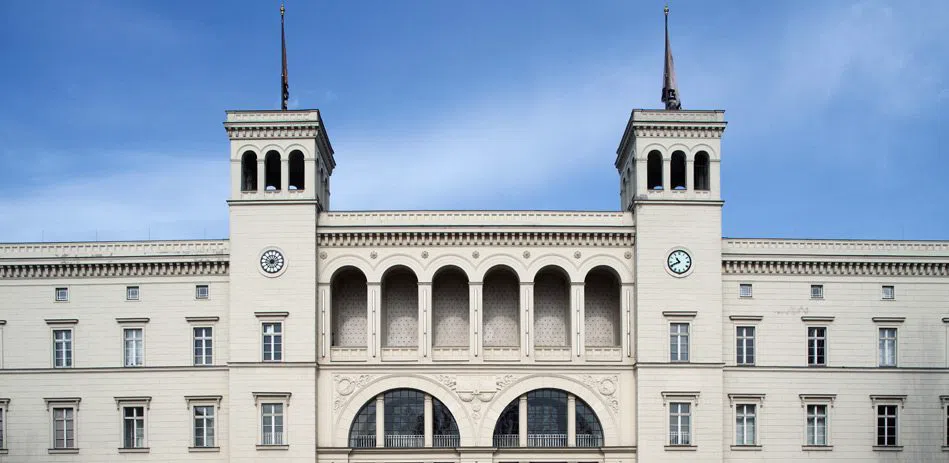
Two free rooms that are not consolation prizes
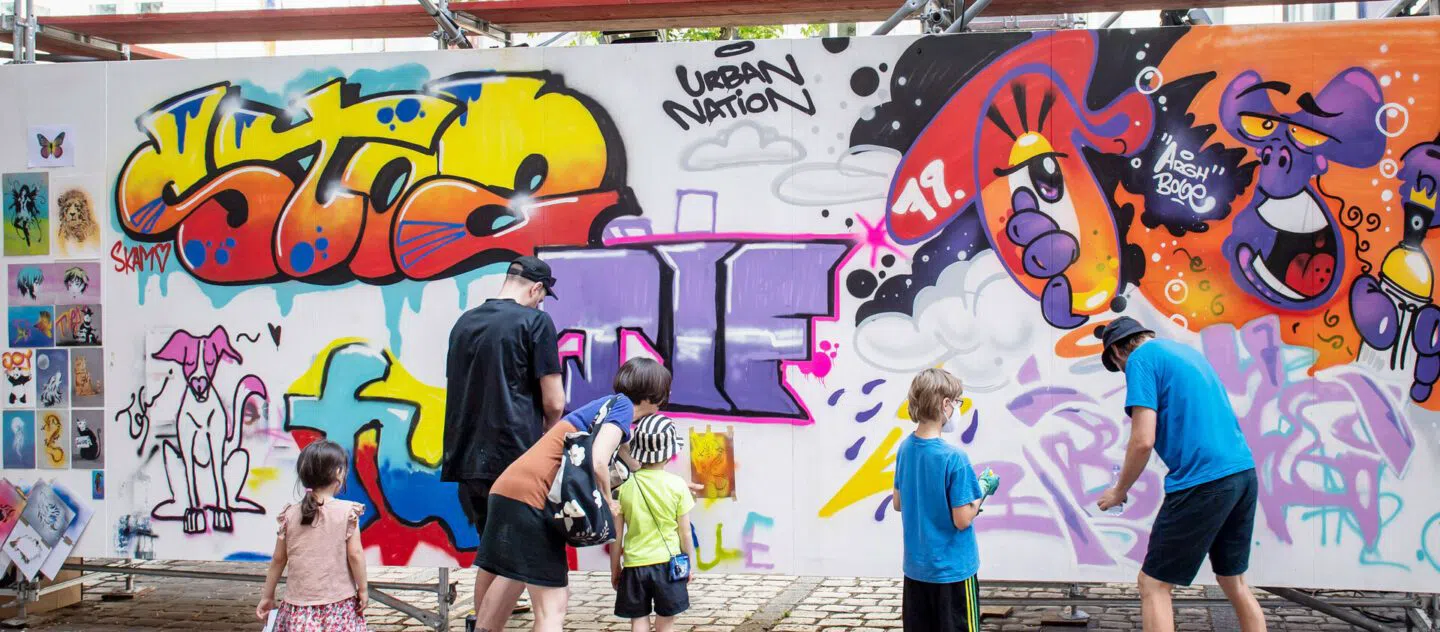
When the weather has already cost you a day, free entry stops being a budget question and becomes permission to leave after forty minutes if it is not landing. URBAN NATION Museum for Urban Contemporary Art (Schöneberg, on Bülowstraße) puts street art indoors, which is the right substitution when the outdoor version is behind a curtain of rain. Entry is free, donations welcome. Check the hours before you commit: it is closed Mondays and opens at midday Thursday to Sunday, so it works as an afternoon stop and never as a morning one. Any visit of eight or more needs to be booked in advance through the museum's request form.
Futurium (Mitte, by Hauptbahnhof) is the obvious move for an unplanned wet afternoon with mixed ages. It is free, hands-on, and open until 20:00 on Thursdays, which is unusually late for a museum that costs nothing. It is closed Tuesdays, and groups over 15 must register online in advance. Its proximity to Hamburger Bahnhof is the practical point: two very different buildings within one short walk, so a squall does not derail the plan.
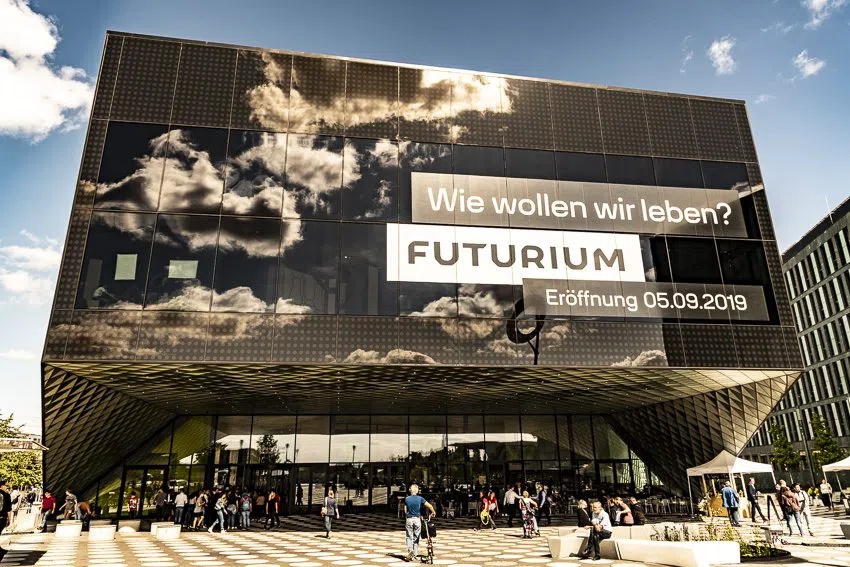
Go underground when the sky will not cooperate
Berliner Unterwelten — Dark Worlds (Gesundbrunnen, in Wedding) is weather-proof by definition. The tour is in a wartime bunker system beneath the station, and once you are down there the forecast is somebody else's problem. It is also the best-run history tour in the city, which is a different claim from the most dramatic one; the guides deal in what is documented, not what is atmospheric. Tickets are €15 to €18, about €13 reduced, and there are daily English departures from the Gesundbrunnen meeting point.
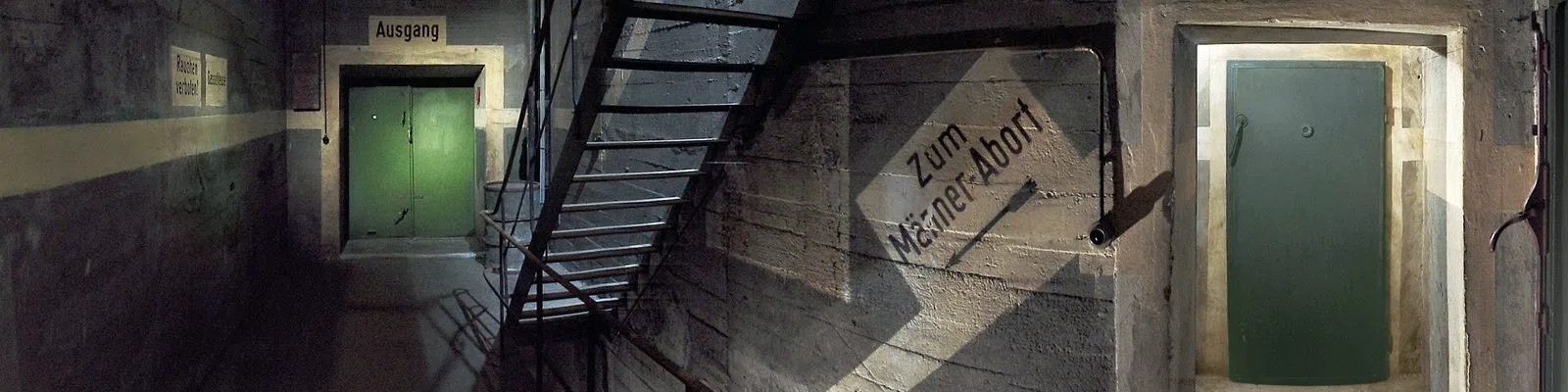
Booking is online only, with no walk-ups. English slots sell out two to six weeks ahead in high season. Book this before your trip and not on the morning you wake up to rain; it is the one item on this list that punishes spontaneity. Separate group bookings are offered on every route.
Bones, jars, and a museum halfway through its own renovation
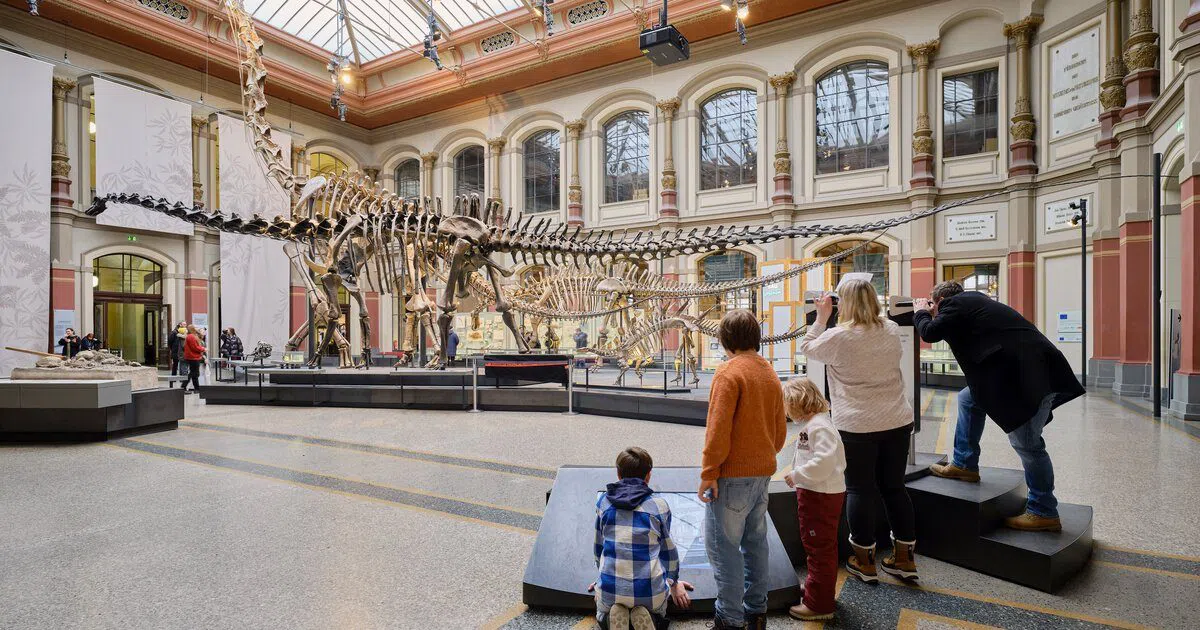
The Museum für Naturkunde (Mitte, on Invalidenstraße) is the natural-history museum most visitors do at speed, stopping at the dinosaur hall and leaving. The quiet showstopper is the Wet Collection: room after room of specimens in glass jars, lit and shelved so the sheer count of them registers before any single jar does. It is €11 for adults, €5 reduced, close to the cheapest serious afternoon in the city. Parts of the building are under long-term 'Museum Evolution' works, so check which halls are open the week you go instead of assuming. School and tour groups pass through routinely, and group arrangements are handled by phone.
Lunch under a roof that counts as a destination
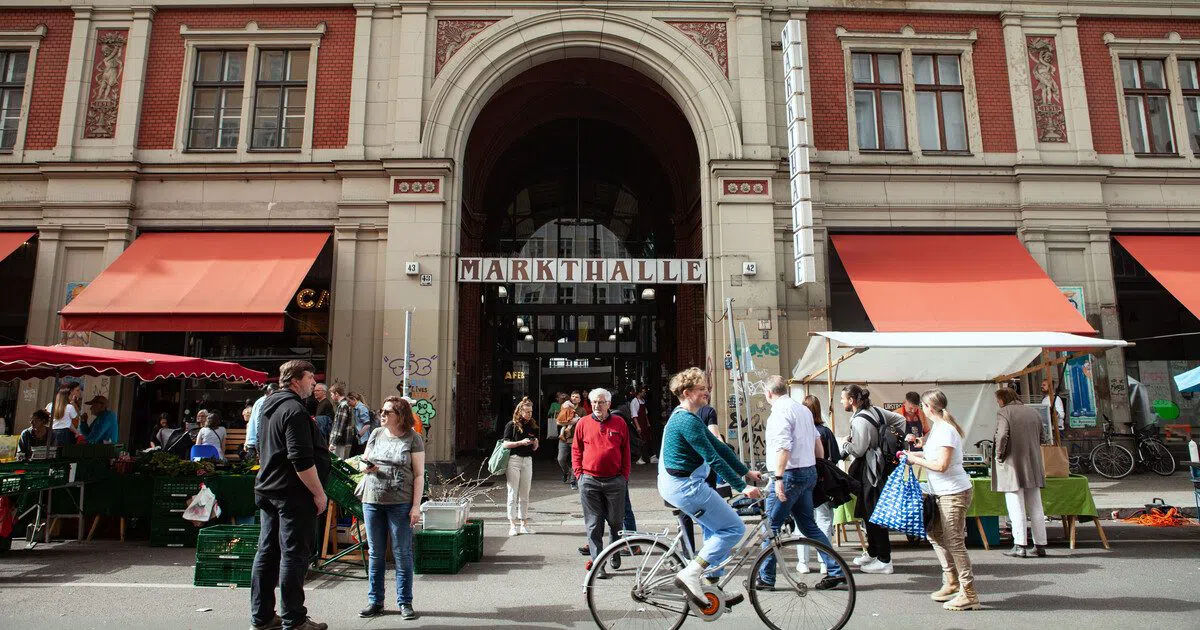
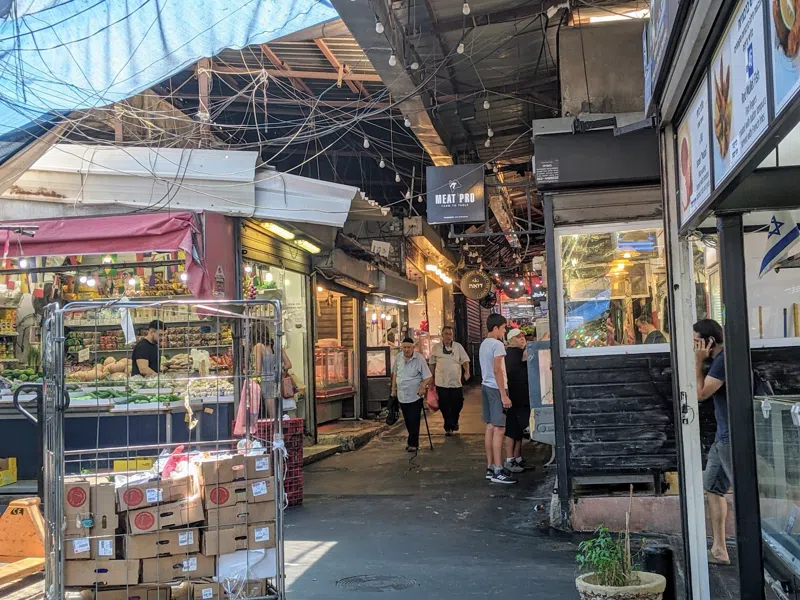
Markthalle Neun (Kreuzberg) is a nineteenth-century market hall doing an honest modern job, and there is no booking and no door policy, so walk in with any number of people. Plates run €5 to €15. Street Food Thursday, 17:00 to 22:00, is the reliable evening; the big market days are Friday and Saturday. It is closed Sundays, which catches out a lot of weekend visitors who have pencilled it in for their last morning. If you are three people you will find a corner; on a full Thursday evening a party of eight should expect to eat standing up and in shifts.
The other roofed option is not the shopping trip it sounds like. KaDeWe (Schöneberg, at Wittenbergplatz) has a sixth floor that works as a market hall with a wine list: counters, bars, a stand for whatever you feel like, open 10:00 to 20:00 daily. Eating there runs roughly €10 to €30; the shopping runs to anything at all. Counters seat small groups comfortably, and larger parties should split across stands instead of hunting for one table. The store changed ownership after the 2024 insolvency and is trading through a phased refit, so expect some floors to be in progress.

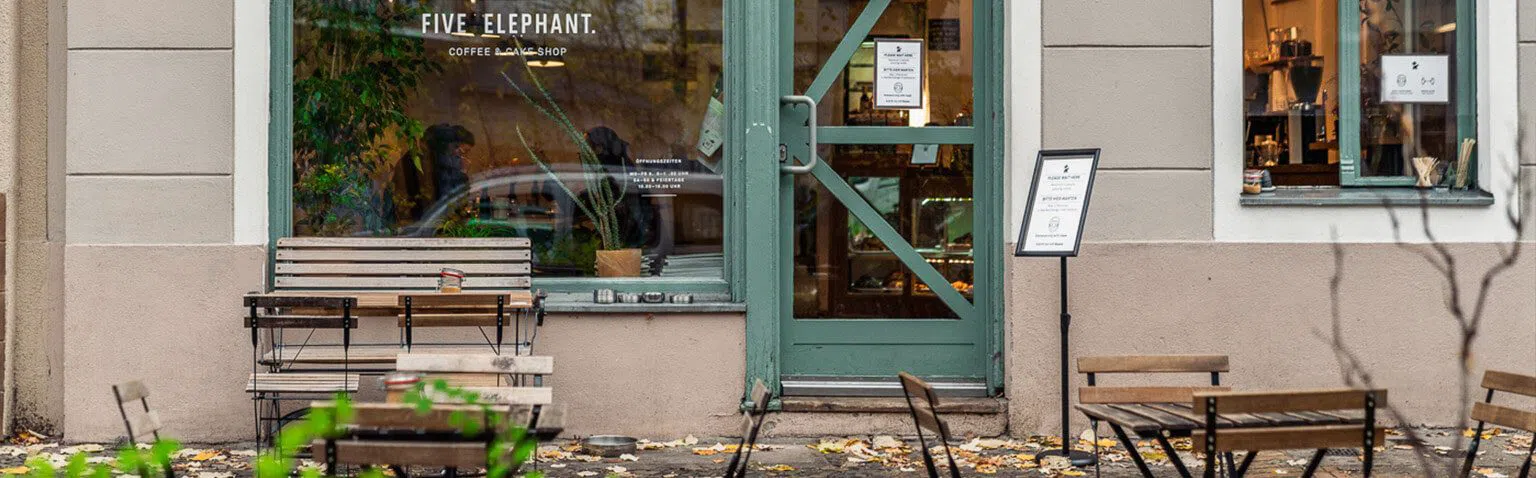
For coffee, Five Elephant (Kreuzberg) has been the city's benchmark specialty roaster since 2010, and the cheesecake has earned its reputation rather than inherited it. Coffee and cake land in the €4 to €10 range, and it opens at 08:00 on weekdays, 09:00 at weekends. The room sets the limit: it is small and takes no reservations, so it suits two or three and is genuinely poor for a party of eight on a wet Saturday.
A dinner room with some age on it
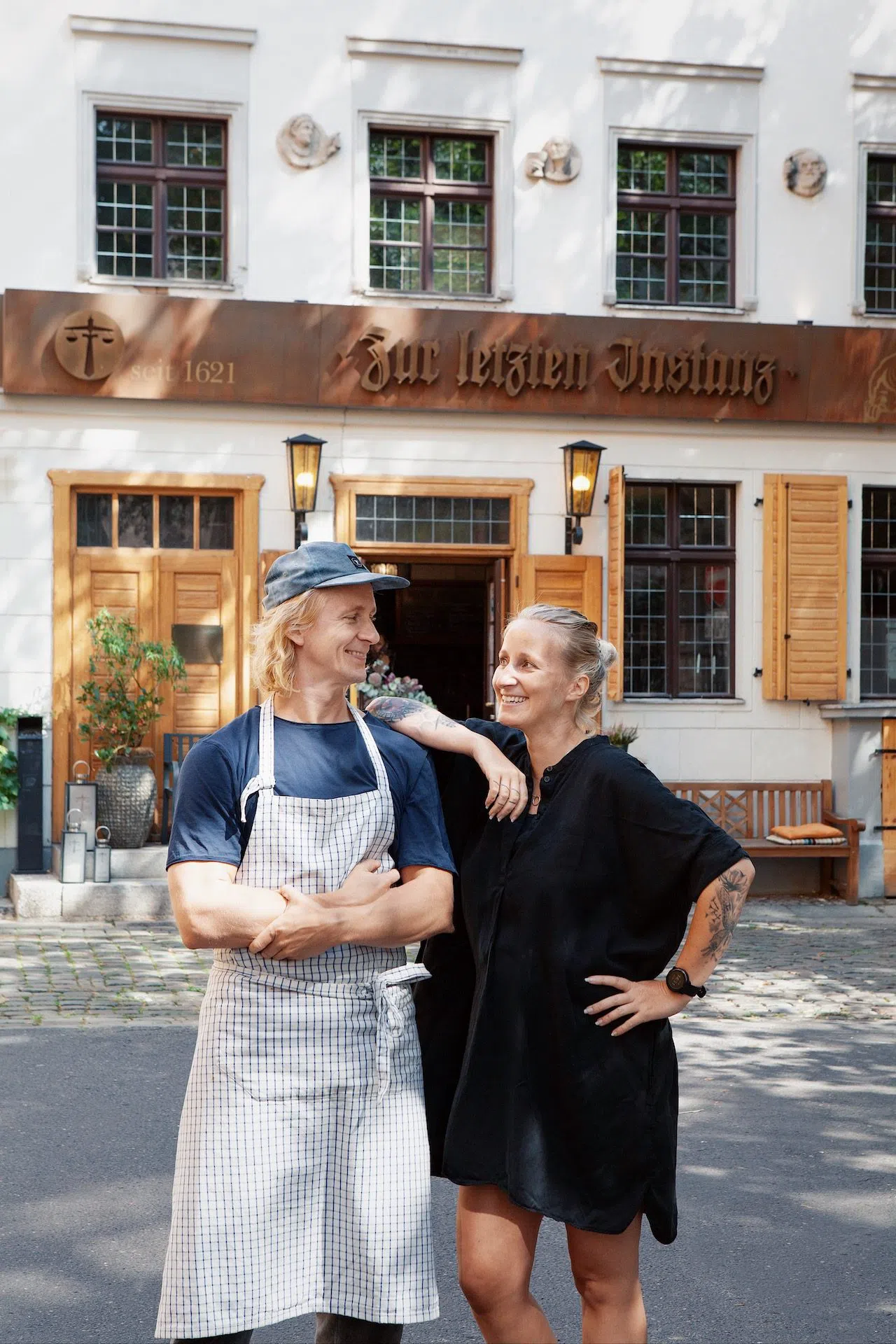
Zur letzten Instanz (Mitte, tucked behind Klosterstraße) is Berlin's oldest restaurant, and it does regional German cooking properly instead of as costume; the distinction is obvious within one course. Mains are €20 to €35. The room is the reason to book, and you should book, by phone or online. There is a separate function room, the Separee, for private groups. The closures are unusual, so note them: no service on Sundays or Wednesdays. On a three-night weekend that leaves you fewer chances than you would think.
Evenings that do not involve queueing in the wet
Fotografiska Berlin (Mitte, on Oranienburger Straße) solves an entire rainy evening in one building, which is rarer than it sounds. It is open 10:00 to 23:00 daily, entry is €20 to €26, and four exhibitions run into 2027, so a group can drift through at its own pace instead of moving as a block. Upstairs, the Verōnika restaurant and the Clara rooftop bar both open at 18:00 and take bookings. The kitchen is serious and priced accordingly, fine-dining money rather than museum-café money, but you never have to go back out into the rain between the art and the meal.
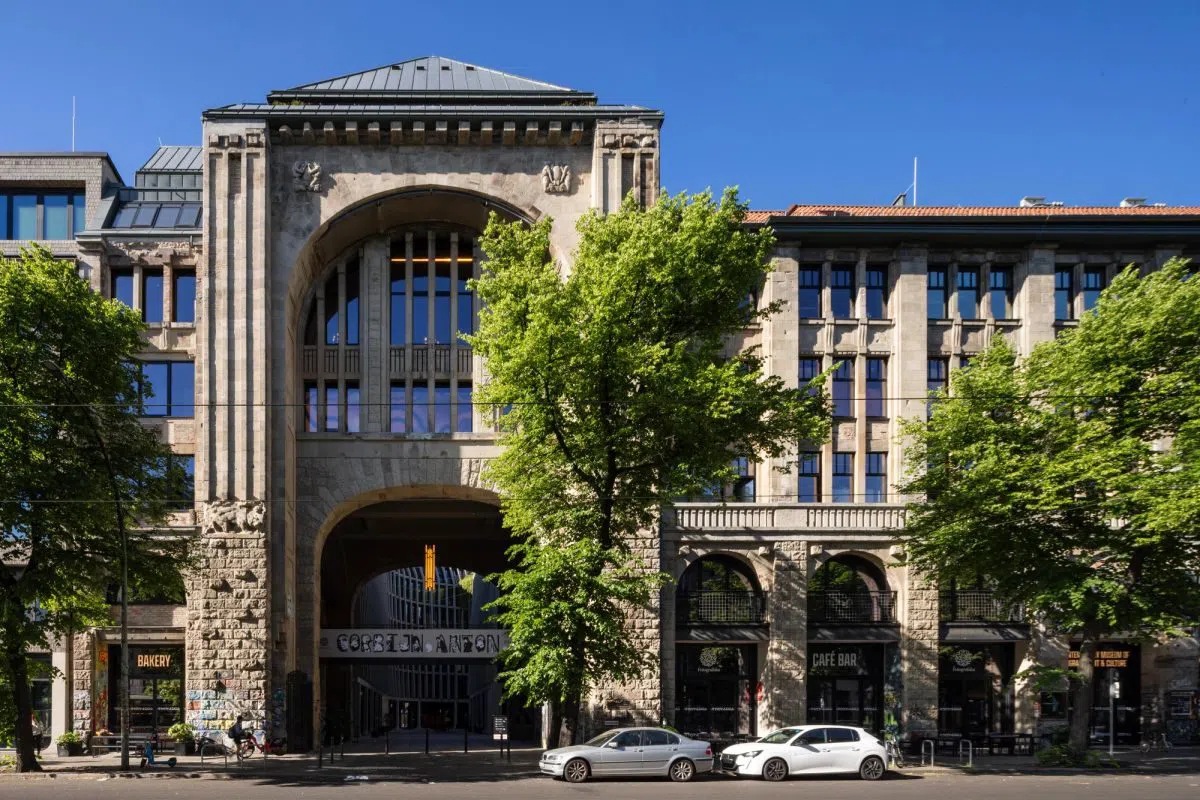
Kino International (Friedrichshain, on Karl-Marx-Allee) reopened on 26 February 2026 after an eighteen-month, €15m restoration: 506 new seats, 4K laser projection, and the Panorama Bar window looking back at the TV Tower. Tickets are €10 to €14 through the Yorck booking system, and the first-floor bar takes a group before or after the film. Check the listing for original-version screenings if your German is not up to a subtitle-free evening.
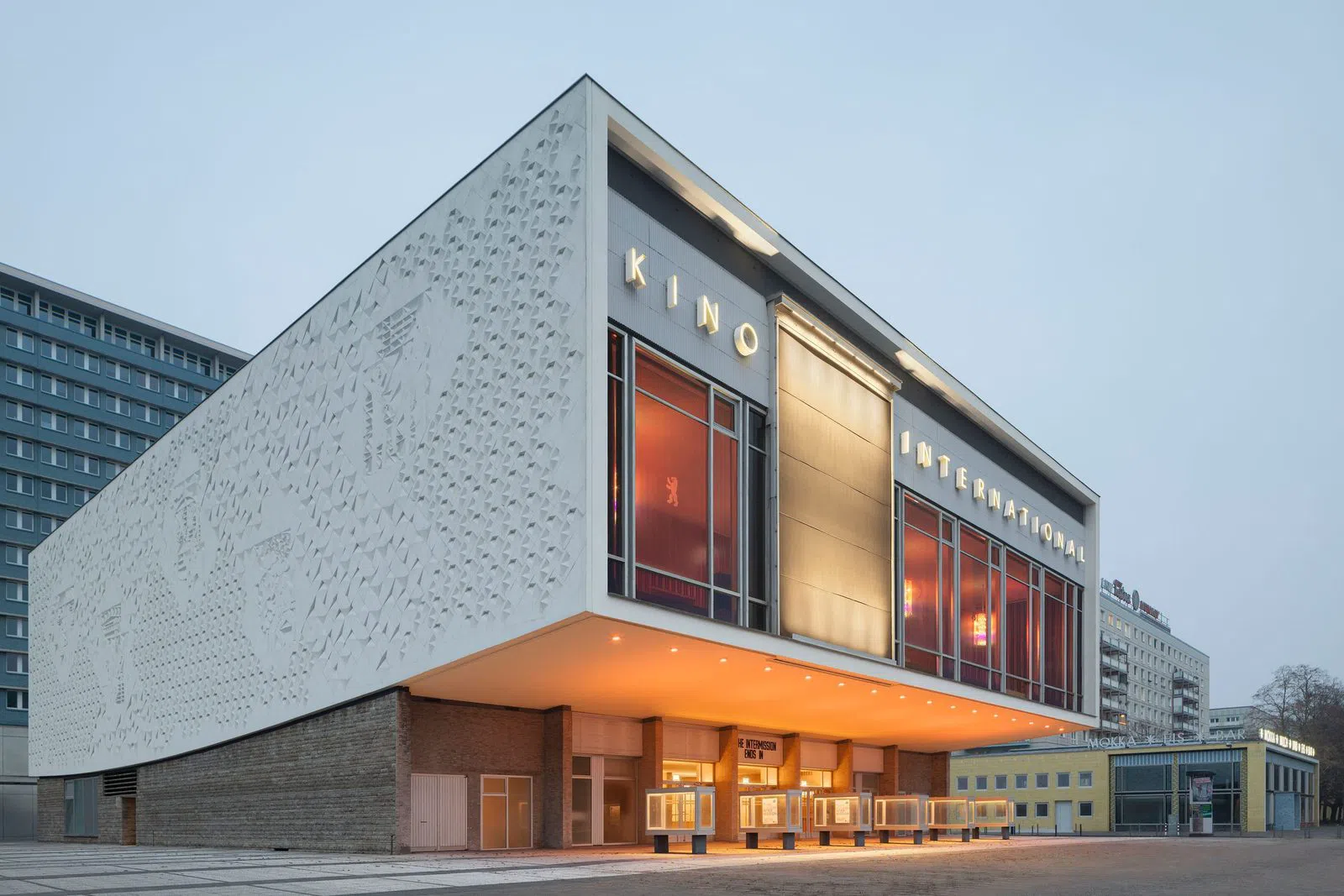
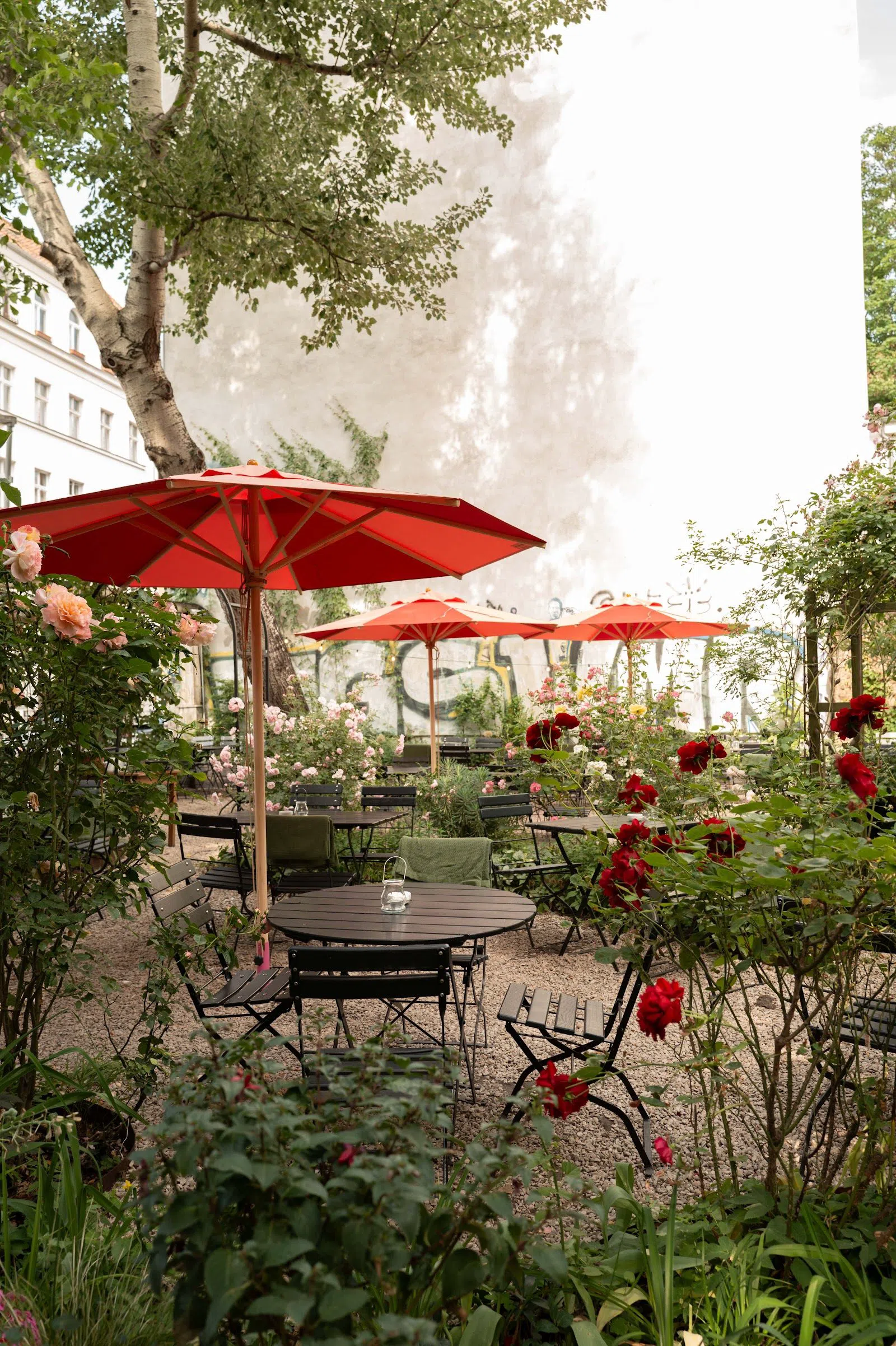
If you want an evening out that is not a nightclub, and in a wet weekend most people eventually do, Clärchens Ballhaus (Mitte, on Auguststraße) is the answer. It is a working dance hall with food all evening, Argentine tango on Wednesdays, and concerts in the upstairs Spiegelsaal on Sundays. Dinner runs €10 to €25 and tables should be reserved; the dance nights and classes are drop-in at around €10 to €15, with no door policy and no problem taking a group. Nobody will care that you cannot dance.
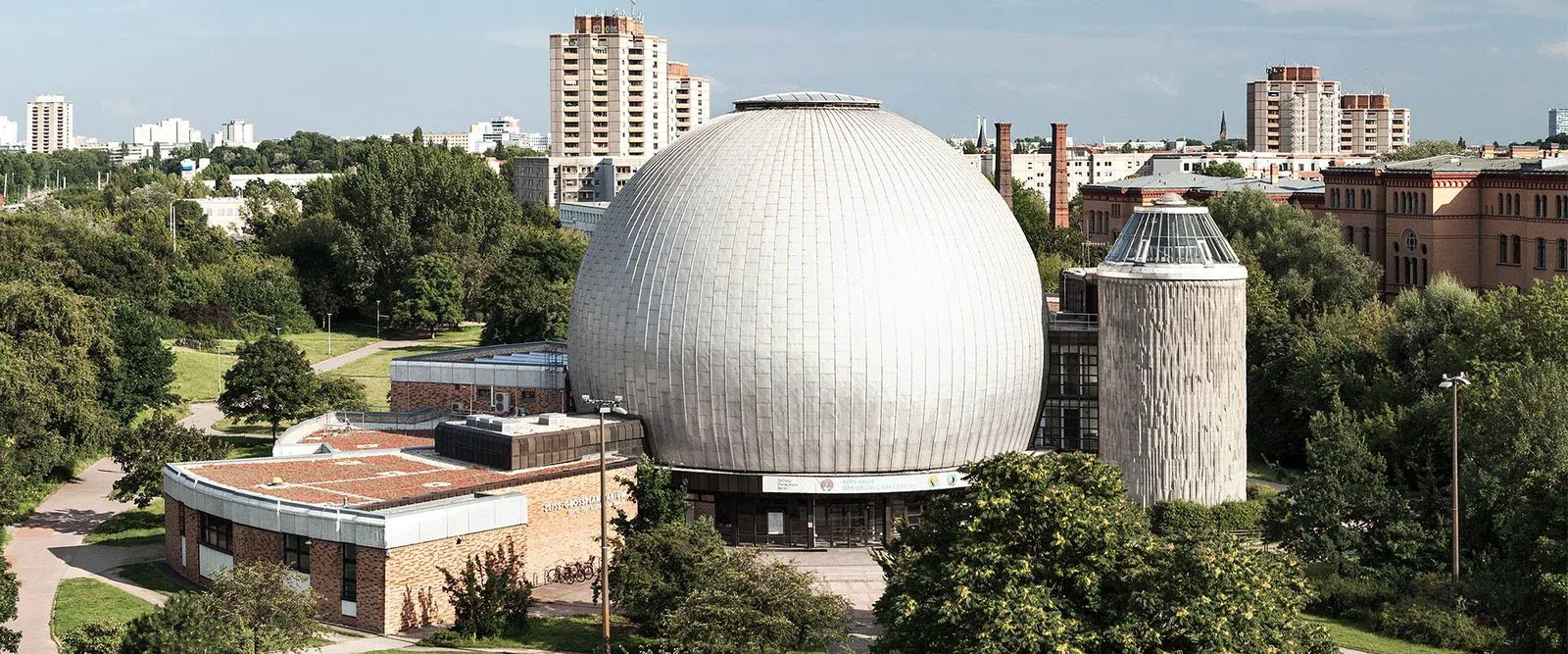
The Zeiss-Großplanetarium (Prenzlauer Berg) is one of the best-equipped domes in Europe, and its music programmes make it an evening out and not a children's outing. Cinema screenings are €10, science shows €12, music shows €16, and a family ticket is €31.50. It is closed Mondays. Groups of 20 or more get the reduced rate, and large groups and wheelchair users should book at the box office instead of online.
Warm water in the middle of the city
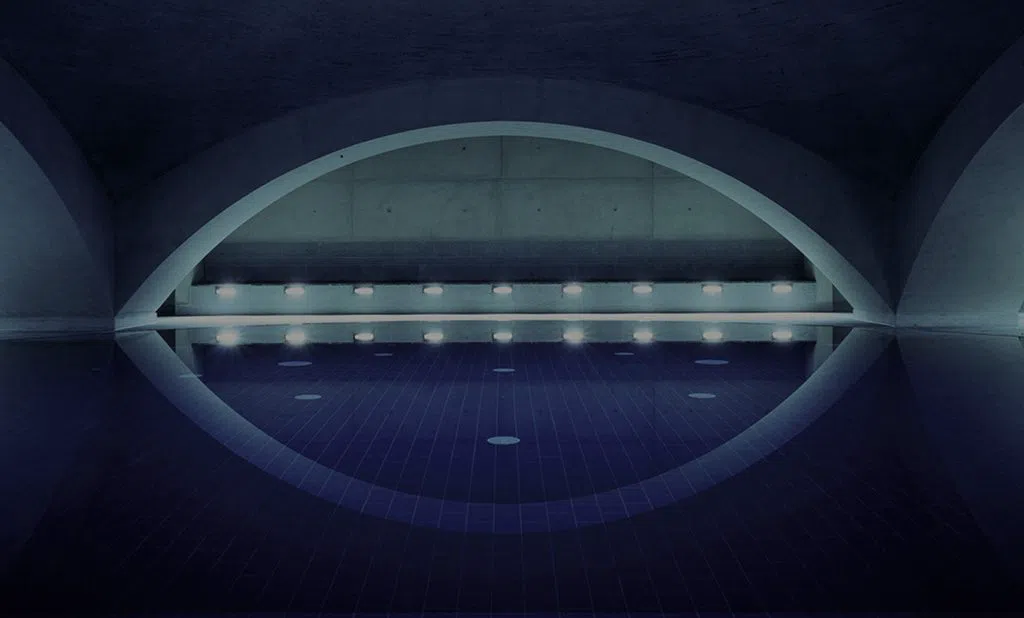
Liquidrom (Kreuzberg, by Anhalter Bahnhof) is a thermal bath built around a domed saltwater pool with music played underwater, and the sound arrives through your skull rather than your ears. Ninety minutes is €22, three hours €29.50, sauna access another €2.50, and you book a time slot online. It is adults-oriented and deliberately quiet, so it suits two people or a few friends and not a loud group. It stays open to midnight, and to 01:00 on Fridays and Saturdays, which makes it a plausible end to a night rather than a replacement for one.
Two days that survive the closing times
A Saturday that works: Five Elephant at opening, Boros at a mid-morning slot booked weeks ago, lunch at Markthalle Neun on a full market day, Neues Museum through the afternoon, then Fotografiska for the evening with dinner upstairs. That is five interiors and perhaps twenty minutes of total exposure.
Sunday is the harder day, because Markthalle Neun and Zur letzten Instanz are both shut. Run it the other way: Museum für Naturkunde or Futurium first, walk the short hop to Hamburger Bahnhof, eat on the sixth floor at KaDeWe, take the Berliner Unterwelten slot you pre-booked, and finish at a Spiegelsaal concert at Clärchens Ballhaus. If Monday is your travel day, skip URBAN NATION and the planetarium entirely, since both are closed.
Getting around, paying, and what it costs
The U-Bahn and S-Bahn are the whole strategy in bad weather: they run frequently, most of the platforms are covered, and almost everything above is within a short ride of a station. Buy a day ticket for the AB zones instead of singles, because the break-even is roughly three journeys and you will make more than three. Buy through the BVG app or a platform machine before you board; there are no barriers, and inspectors do work the wet weekends.
Carry cash. Berlin has improved on cards, but plenty of market stands, smaller cafés and box offices still prefer notes, and Markthalle Neun in particular is a place where a card can leave you stuck at the wrong counter. Book the three things that will not accommodate you on the day: Berliner Unterwelten weeks out, Boros well ahead, and any dinner table at Zur letzten Instanz or Fotografiska.
On budget, a full indoor day sits at roughly €40 to €70 a person once you add two paid attractions, a market lunch and transport. It is less if you build a day around Futurium and URBAN NATION, which cost nothing, and more the moment you eat upstairs at Fotografiska. For where to base yourself, Mitte puts most of this list inside twenty minutes and Kreuzberg buys you the better evenings; compare rates with a Berlin hotel search before you fix the district. For everything beyond a wet weekend, the wider Berlin guide covers the parts of the city that need dry shoes.
Before you go
What should I book before I arrive in Berlin, rather than on the day?
Three bookings matter. Berliner Unterwelten sells online only, with no walk-ups, and English slots go two to six weeks ahead in high season. Boros Collection is guided tours only and fills well in advance. Book dinner tables at Zur letzten Instanz and at Fotografiska's Verōnika restaurant. Everything else on this list you can sort on the morning.
Is the Pergamonmuseum open in 2026?
No. It is closed until 4 June 2027, so leave it out of any plan and ignore older guides that still list it. If you want one Museum Island building, make it the Neues Museum: €12 to €15 for a single ticket, or around €24 for a day pass covering the island.
Which of these places work for a larger group, and which do not?
Markthalle Neun takes any number with no booking and no door policy, Hamburger Bahnhof and Clärchens Ballhaus handle groups easily, and Zur letzten Instanz has a separate function room. Avoid Five Elephant with more than three people, because the room is small and takes no reservations. Liquidrom is deliberately quiet and adults-oriented, so it suits a few friends rather than a loud party. Futurium needs advance registration over 15 people, URBAN NATION over eight.
What is open on a Sunday in Berlin when it is raining?
Fotografiska, the Neues Museum, Hamburger Bahnhof, Museum für Naturkunde, Futurium, Liquidrom, Kino International and the Sunday Spiegelsaal concerts at Clärchens Ballhaus all run. Markthalle Neun and Zur letzten Instanz are both closed Sundays, so plan your eating around KaDeWe's sixth floor or Fotografiska instead.
How much does a full indoor day in Berlin cost?
Roughly €40 to €70 a person for two paid attractions, a market lunch at €5 to €15 a plate and a day ticket for the AB transport zones. You can cut that sharply by building the day around Futurium and URBAN NATION, which are both free, and you will go over it if you eat upstairs at Fotografiska, where the restaurant is fine-dining money.