The Berlin issue
The Berliner's Other Summer: Lakes, Forests, and Where the City Goes to Cool Down
A route-by-route guide to swimming your way out of a Berlin heatwave — from free forest lakes on a transit ticket to day trips worth the regional train.
By Robin van der MeerThe slow way through a fast city
By July the city empties in a particular direction. The S-Bahn carriages fill with towels and half-deflated pool toys heading out along the green lines, and the Berliners who spend all winter grumbling about the grey remember that they live inside a landscape of water — more than a hundred lakes threaded through the forests and the suburbs, most of them free, many of them a swim you can take on the same ticket you use to get to work. This is the other summer, the one that happens away from the tourist axis of Mitte. Here is how to reach it, and which stretch of shore actually suits the day you have in mind.
The Grunewald forest lakes: the local ritual
Start where most Berliners start, in the pine forest south-west of the centre. The reason the Grunewald lakes are beloved is simple: they are clean, they are calm, and they cost nothing.
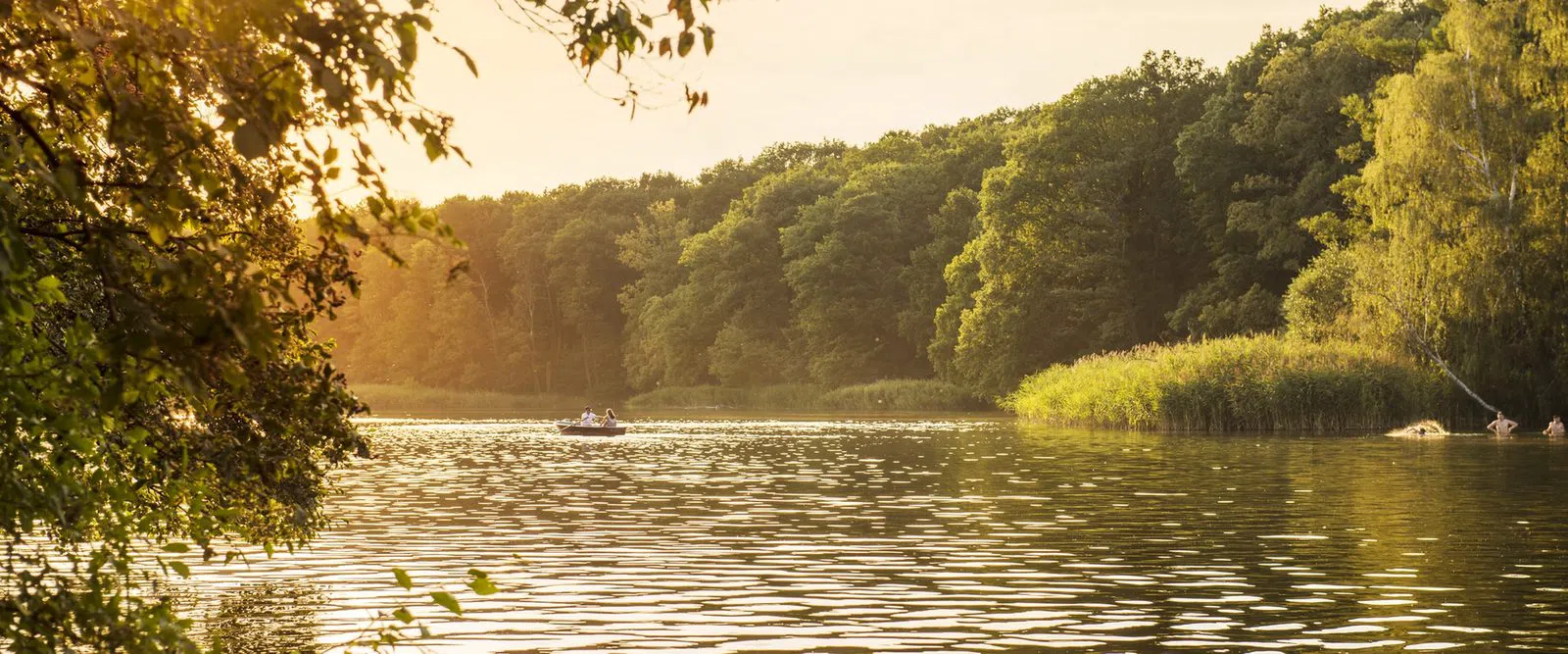
Schlachtensee (Zehlendorf) is the quintessential one — a long, narrow forest lake about thirty minutes out on the S1, with an open, ungated shoreline that lets a group spread along the bank rather than crowd a single beach. There is no door, no reservation, no fee. On a hot Saturday the near end by the station fills quickly; walk ten minutes along the path and you will find a quieter cove. It suits almost everyone, which is exactly why locals guard it.
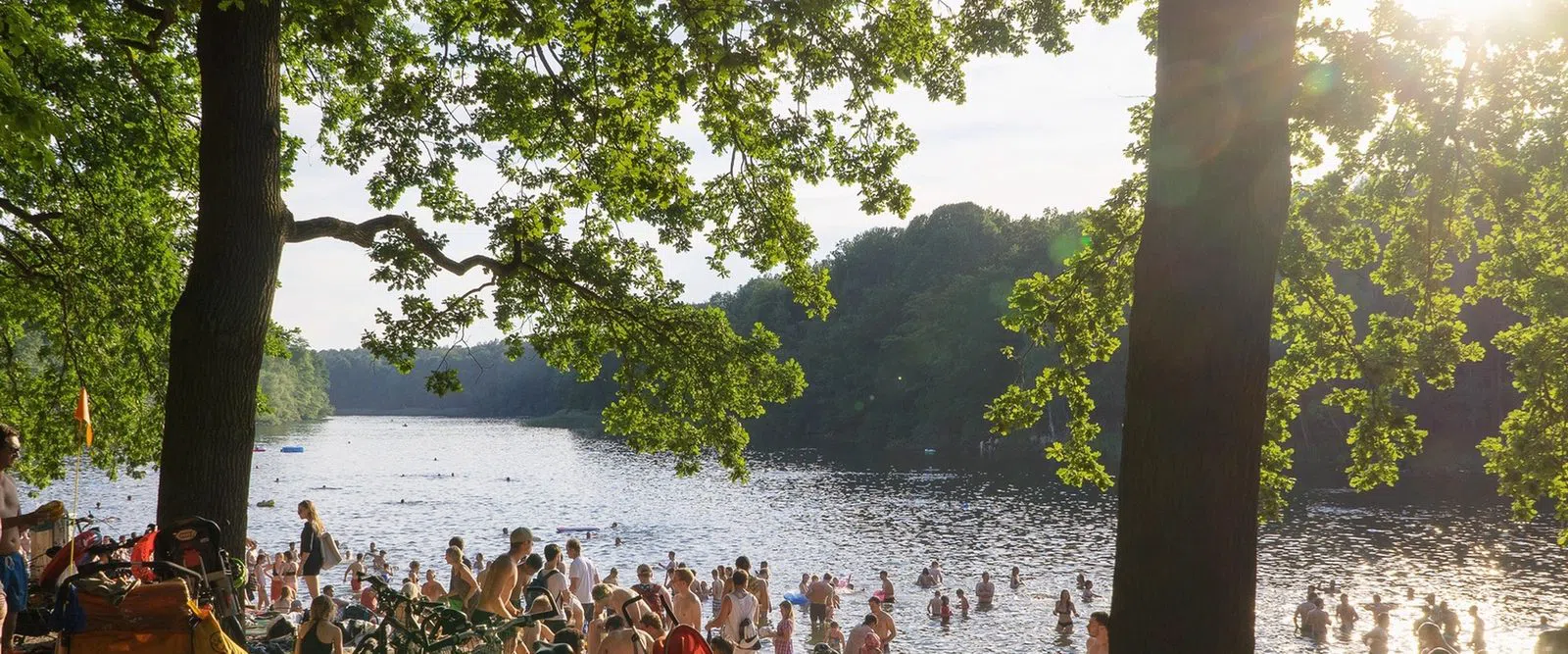
A short walk or one U3 stop away sits Krumme Lanke (Zehlendorf), Schlachtensee's slightly quieter neighbour. It has its own U-Bahn station, an ungated forest bank, and a more residential, less-trafficked feel — the better choice when Schlachtensee looks like a festival and you want somewhere your group can actually hear each other. Both are free; neither has real facilities, so bring what you need.
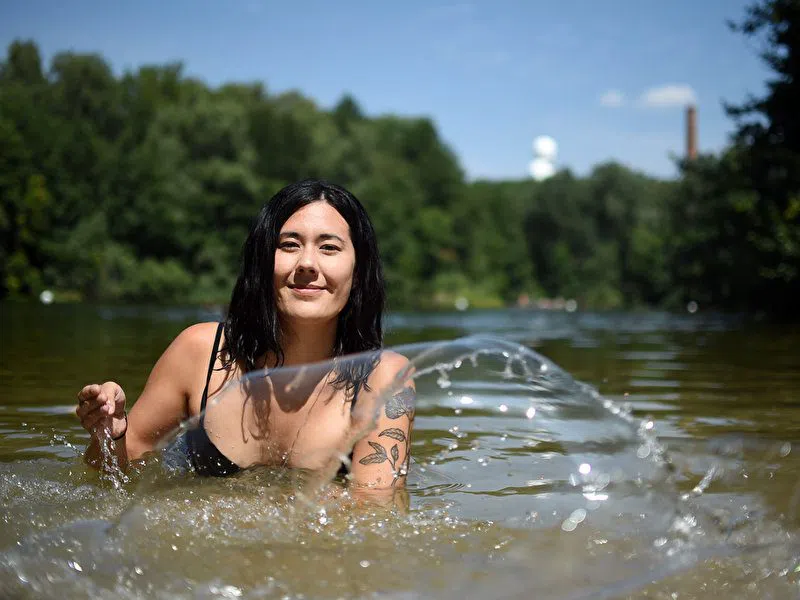
Deeper into the trees, a short wooded walk from Grunewald S-Bahn, is Teufelssee (Grunewald) — Berlin's most famous clothing-optional swim. This is FKK country, a long-standing nude and mixed LGBTQ+ tradition, and the crowd is a genuine mix of families, sunbathers on the lawns, and a livelier party contingent as the afternoon wears on. Lifeguards are on duty in summer. Groups are entirely welcome, but go knowing that nudity is the norm rather than the exception — it is not the lake to bring anyone who would be uncomfortable with that.
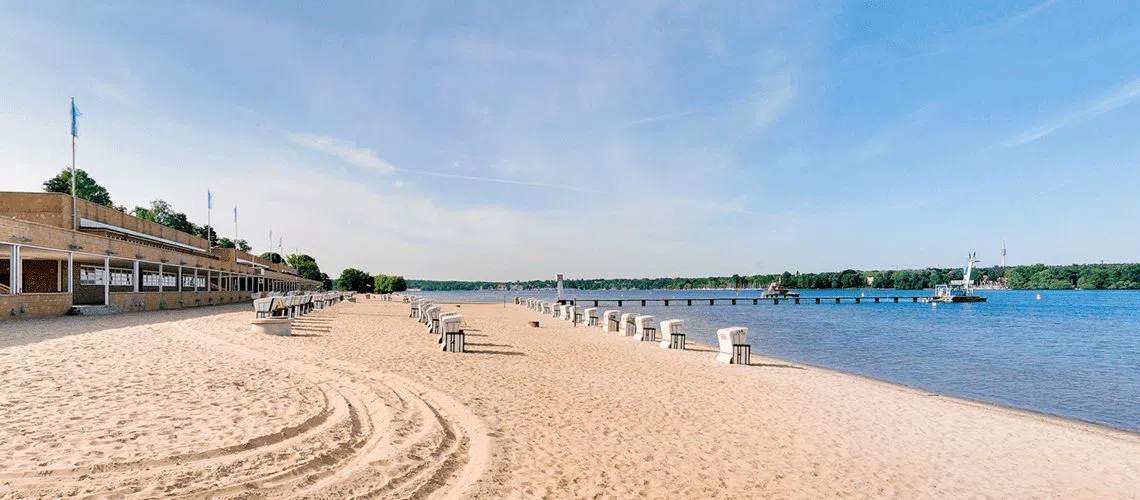
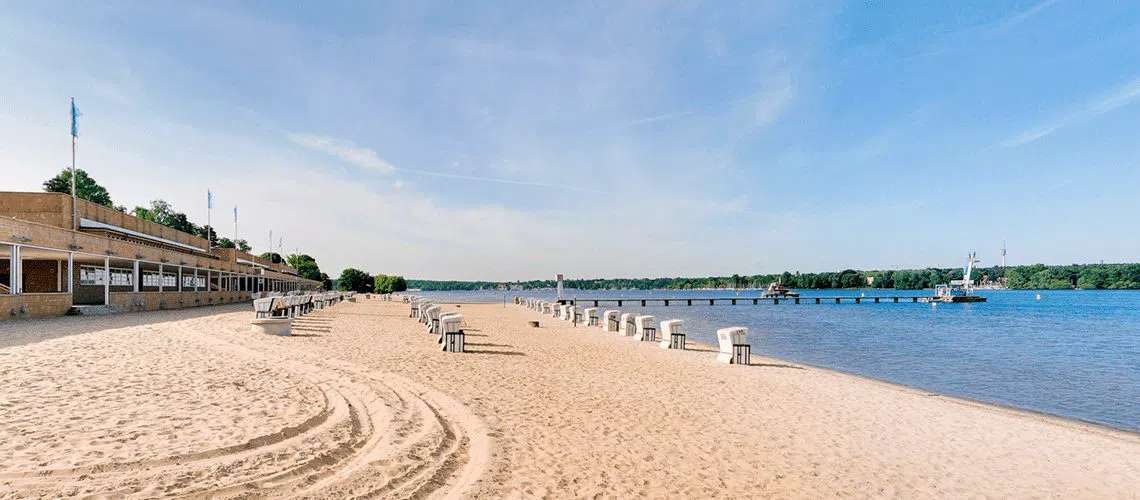
And then there is the icon. Strandbad Wannsee (Wannsee) is the grand old lido, the wide sand beach that has stood for a century as the picture of Berlin summer. It is a proper public bath — no door policy, fine for large groups — with an entry fee of around €6.50. One honest caveat for 2026: a power outage back in January burst pipes here, so the toilets and showers are running at reduced capacity this season. The beach itself is fully open and as broad as ever; just plan for thinner facilities and buy timed tickets online on the hottest days, when entry is capped.
Plan your Berlin trip
Live prices from our booking partners.
Free cancellation on many rooms. We may earn a commission when you book.
Swims you can reach without leaving town
Not every lake day needs an expedition. Several genuine swims sit close enough to the inner districts to fold into an ordinary afternoon.
The most central real lake swim is Strandbad Plötzensee (Wedding), a short hop from Wedding and Moabit. It is a ticketed lido — roughly €5 to €6 — with a beach bar and a summer events programme, which makes it group-friendly in a sociable, stay-till-evening way. When you want lake water and a cold drink without committing to a train ride, this is the answer.
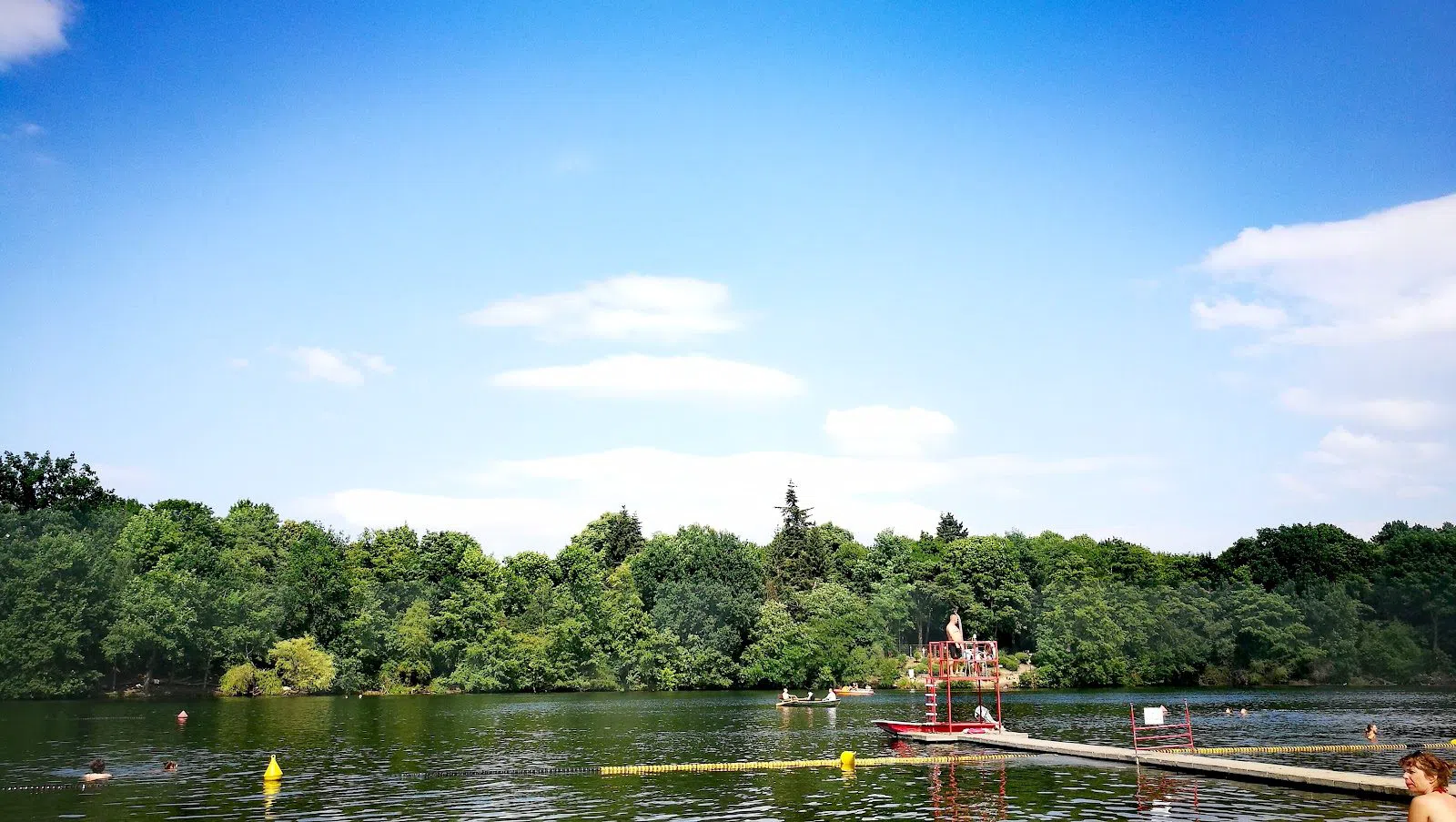
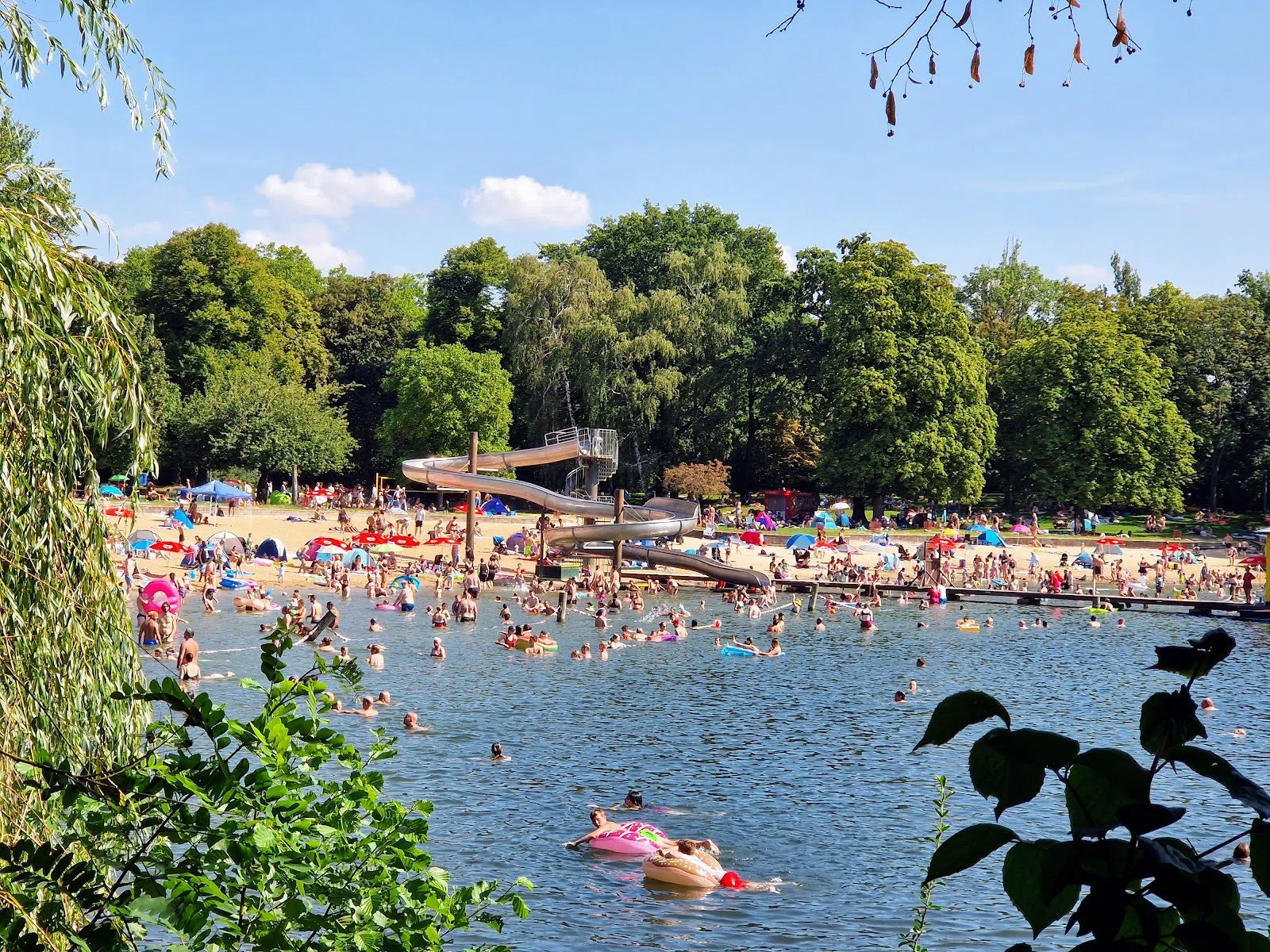
Over in the north-east, Strandbad Weißensee (Weißensee) is walkable from Prenzlauer Berg — arguably the lowest-effort proper swim in the city. It is a ticketed family lido at about €5, unfussy and close, ideal for a group that wants an afternoon by the water without anyone having to plan a route. Nearby, Strandbad Orankesee (Alt-Hohenschönhausen) is a charming heritage neighbourhood lido, also around €5, and this is the one to earmark if your group includes children: the big slide and shallow zones do a lot of the entertaining for you.
The eastern water: Müggelsee and the Dahme
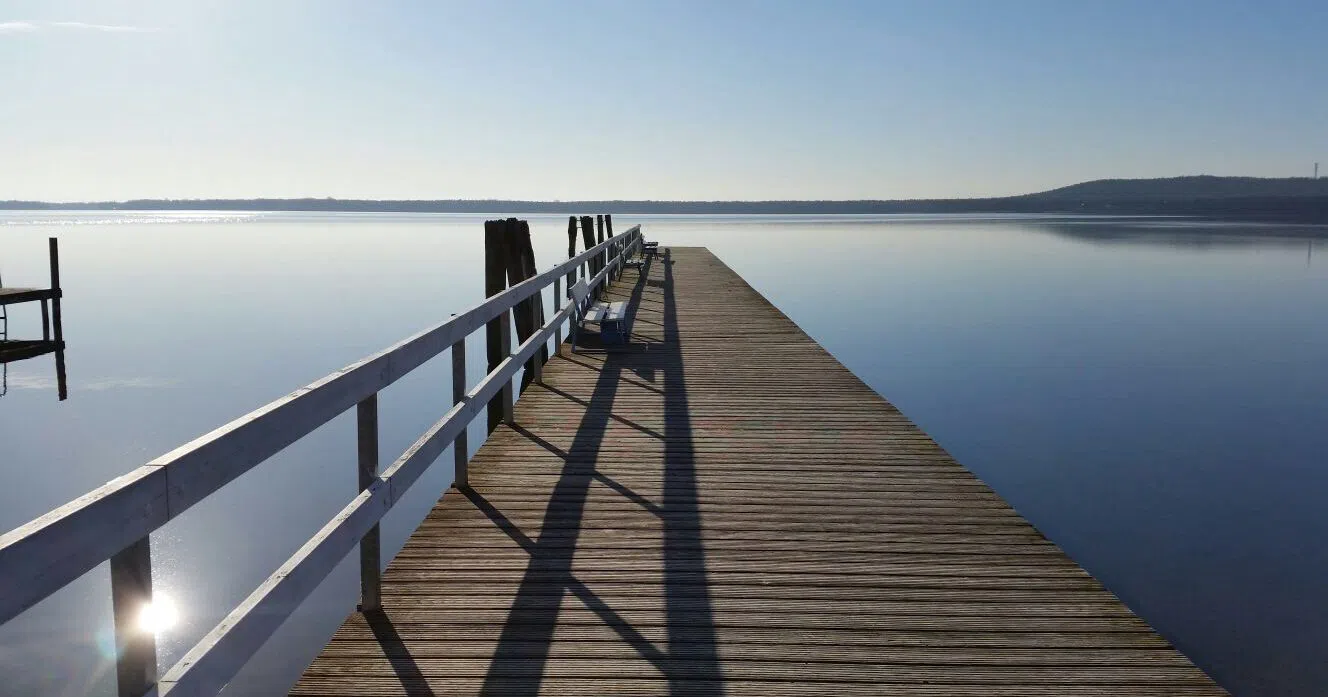
East of the centre the water opens up. The Müggelsee is Berlin's largest lake, and its historic lido has a new name and an old soul. Seebad Friedrichshagen (Friedrichshagen) — formerly Strandbad Friedrichshagen — offers a real beach, volleyball, a kiosk, and an FKK section, comfortable for groups. Its handsome historic buildings are under restoration through 2026 and into 2027, so expect some scaffolding, but the beach is open via the Friedrichshagen-side gate and entry in 2026 is low or donation-based. It rewards the longer journey with space that the Grunewald lakes simply cannot offer on a peak weekend.
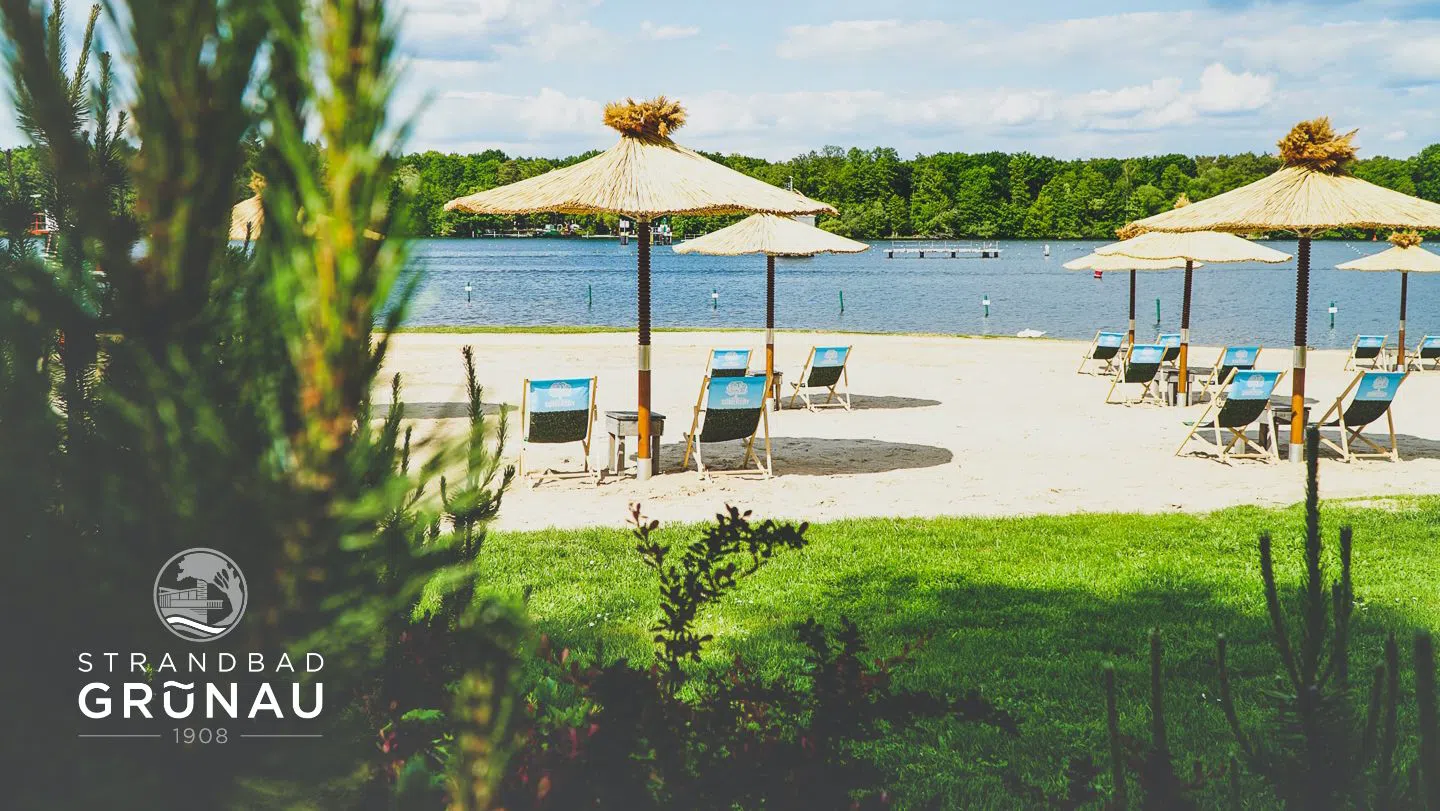
Follow the Dahme south and you reach Strandbad Grünau (Grünau), a relaxed lido on the river-lake near the 1936 Olympic regatta course. It rents cabanas and takes groups happily, and it sits beside the historic Grünau rowing waters if anyone in the party likes a bit of maritime context with their swim. One practical note that trips people up: entry here is cashless, card only, at around €5 to €6 — leave the coins at home.
The leafy north-west: Tegel and its coves
The north-west is Berlin's quieter, greener quarter, and it pairs a swim with other things to do. Strandbad Tegelsee (Tegel) is a family-friendly lido on the Tegeler See with a beach, boat rentals, and a lakeside promenade, entry around €5. It handles groups easily and, because you can add rowing or sailing to the day, it is the natural pick when not everyone in the party actually wants to spend six hours lying on sand.
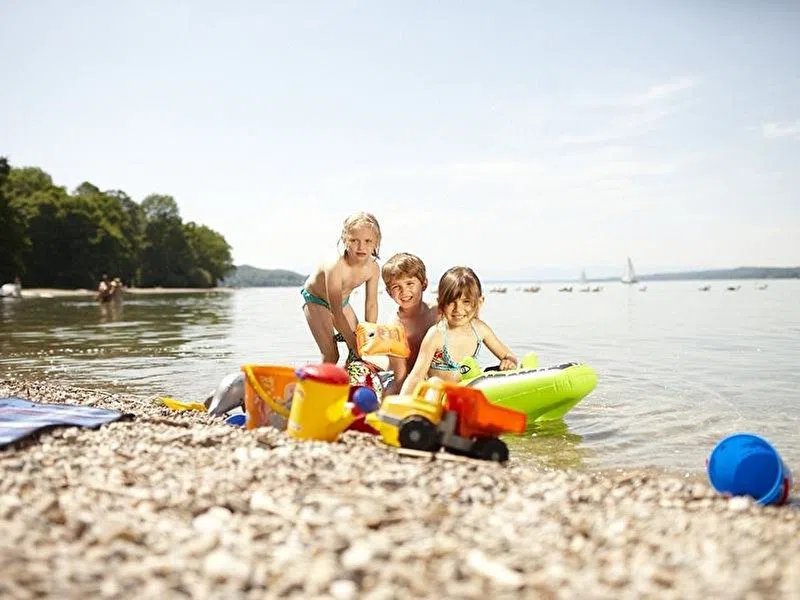
A short distance away, Flughafensee (Tegel) is the free, ungated alternative — a clean, wooded local favourite with several coves where a group can claim its own patch. There are no facilities at all, and the far shore is a protected bird reserve, so swimming stays on the eastern coves. It is the sort of place Berliners keep to themselves: bring everything, take everything home, and you will have one of the calmer swims in the city.
Quieter edges of the map
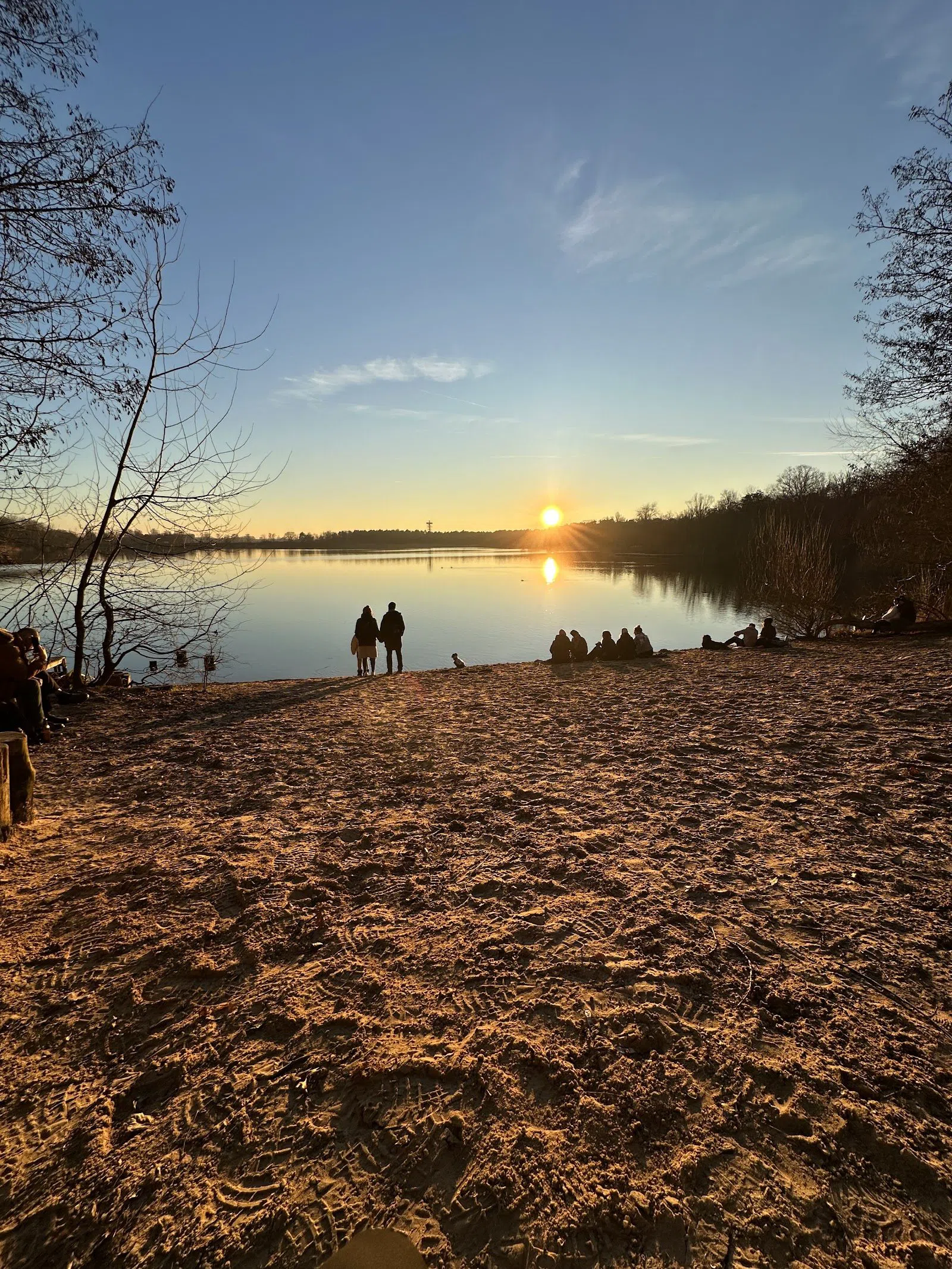
If the point of the day is to get away from crowds rather than into them, head for Spandau's western edge. Groß Glienicker See (Kladow) is a clear, calm lake with open lawns and an unfenced, free shore — no gate, no fee. It was historically split by the Wall, a line that ran straight through the water, and it stays peaceful in a way the Grunewald lakes rarely manage; groups picnic and swim here without the sense of competing for space. It asks a little more of you to reach, which is precisely why it stays quiet.
Worth the train: proper day trips
Some lakes justify making a whole day of it, and Brandenburg begins closer to the city than newcomers expect.
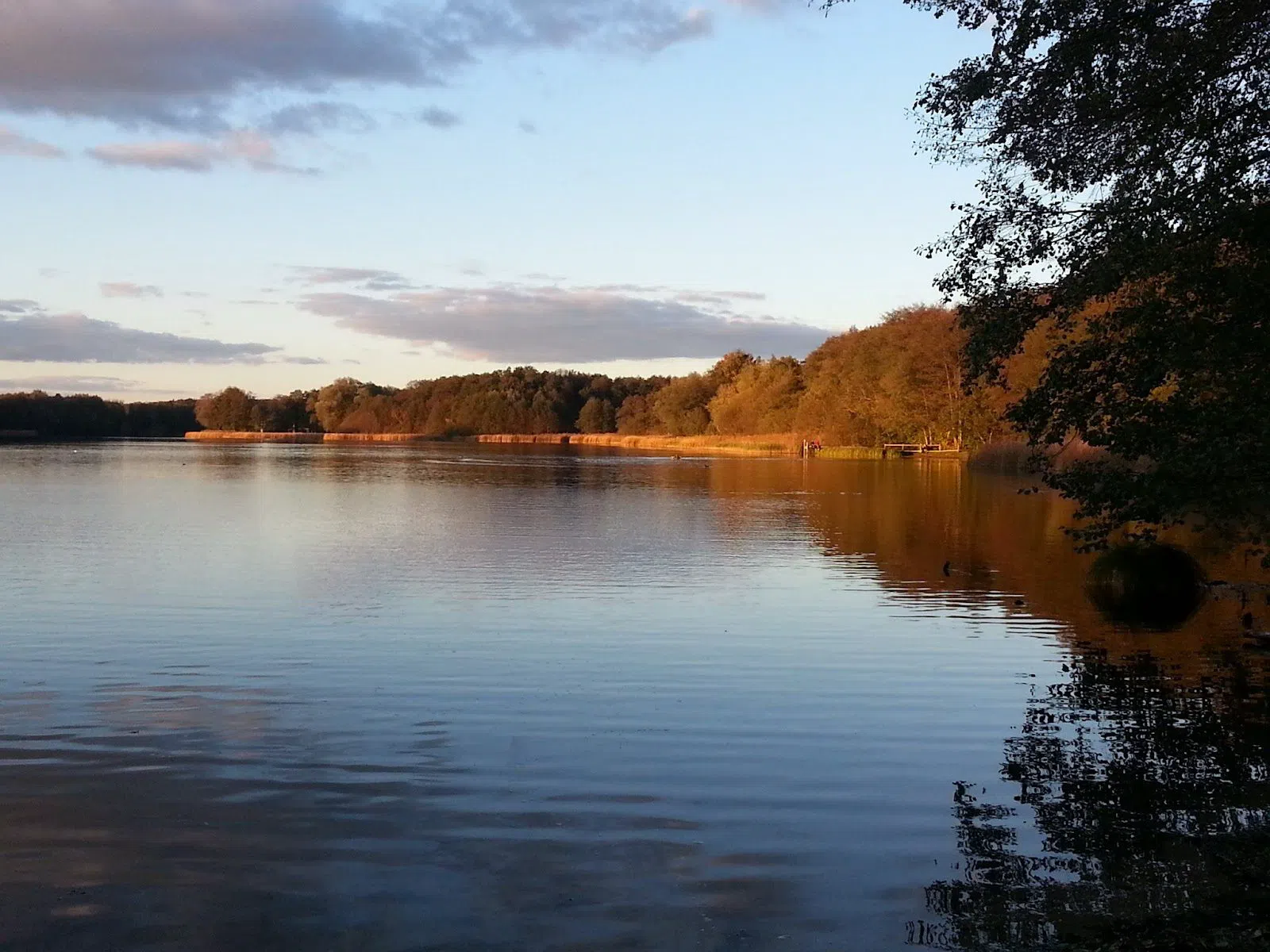
The standout is Liepnitzsee (Wandlitz), roughly thirty to forty-five minutes out and the only genuinely turquoise water within easy reach. Its free wooded shoreline is a swim in itself, but the real draw is the little ferry — the Frieda, running hourly from 10:00 between April and December — that carries you across to an island with a café. At around €3 return it turns a swim into a proper outing, and it is one of the better group days the region offers. Aim to arrive early on a hot weekend; the shore fills and the ferry queues build.
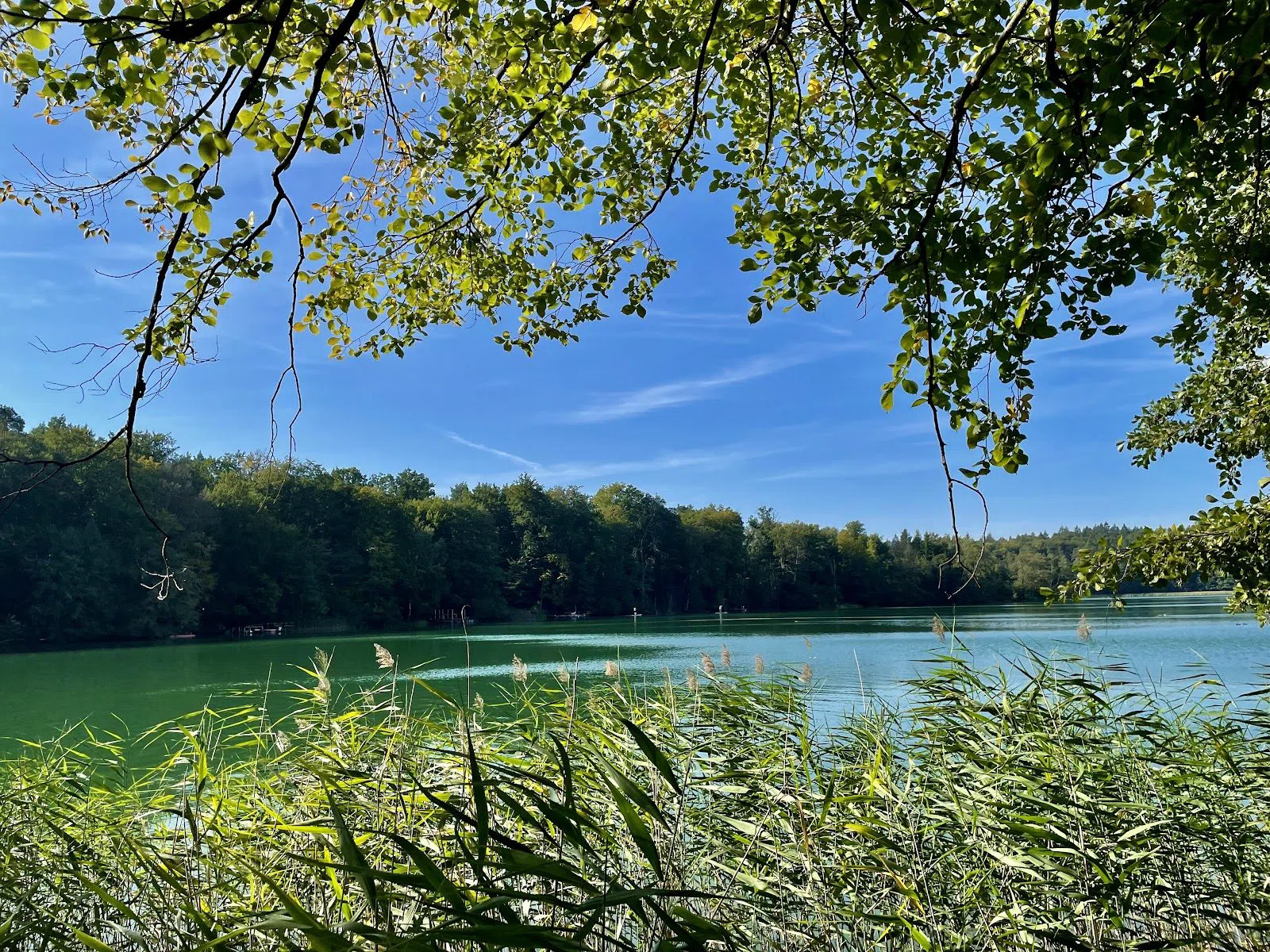
Further east, about an hour out, is Schermützelsee (Buckow) — the lake at the heart of what locals call Brandenburg's 'Little Switzerland'. The water is among the clearest in the region, the natural shore is free, and there is a small Strandbad in Buckow town with a low fee to serve as a group base. It is the trip to make when the day is really about the scenery — rolling, wooded, unexpectedly dramatic for a landscape this close to a flat capital.
FKK, groups, and reading the shore
A word on how these places actually work, because the etiquette matters more than any door policy. Berlin's lakes fall into two broad types. The free forest lakes — Schlachtensee, Krumme Lanke, Teufelssee, Flughafensee, Groß Glienicker See, and the open shores of the day-trip lakes — have no gate and no staff, which makes them effortless for groups but also means you are responsible for your own rubbish, your own safety, and your own shade. The ticketed lidos — Wannsee, Plötzensee, Weißensee, Orankesee, Tegelsee, Grünau — give you toilets, kiosks, lifeguards and, in several cases, a beach bar, in exchange for a modest fee.
FKK, or Freikörperkultur, is woven into the culture here and nothing to be nervous about. Teufelssee is the famous clothing-optional lake; Seebad Friedrichshagen keeps a dedicated FKK section. Elsewhere, clothed and unclothed swimmers often share the same water without ceremony. The only real rule is to read the shore you have arrived at and match it — and if you are travelling with a mixed group, pick the lake that suits the least adventurous member rather than the most.
None of these swims has a bouncer or a guest list. The honest distinction is not who gets in, but which lake fits the day: a loud, sociable crowd belongs at Plötzensee's beach bar or Wannsee's sand; a couple after a quiet morning should aim for Krumme Lanke or Groß Glienicker See before the trains fill; families are best served by Orankesee or Tegelsee. If you want somewhere to sleep near the water and the trains, start a Berlin hotel search around Zehlendorf or Friedrichshagen, and read the wider Berlin guide for the city you return to when the towel is dry.
Practicalities
Transport. Nearly every lake in the city proper is reachable on the S- and U-Bahn within the AB fare zone: the S1 serves the Grunewald lakes and Wannsee, the S3 runs east to Friedrichshagen, and Weißensee and Plötzensee are short hops from the north-east and Wedding. The day trips are different — Liepnitzsee (Wandlitz) and Schermützelsee (Buckow) sit outside the city, so budget for an ABC or regional ticket and check return times, as evening services thin out. Grünau and Tegel are both well served but sit at the ends of their lines, so allow travel time.
Cash. Carry some. Most lido kiosks and the free-lake surroundings are cash-first, and Wannsee runs around €6.50 while the neighbourhood lidos sit near €5 to €6. The two exceptions to know: Strandbad Grünau is card only, and Seebad Friedrichshagen is low or donation-based for 2026. The forest lakes and open shores cost nothing at all.
Timing. Weekday mornings are the secret; by early afternoon on a hot Saturday the popular shores are full and the trains out are standing-room. On the hottest days Strandbad Wannsee caps entry, so buy a timed ticket online before you leave. Remember that Wannsee's toilets and showers are reduced this season after the January pipe damage, and that Friedrichshagen is mid-restoration — the water is fine at both; the facilities are not at full strength.
Budget. A day of it is cheap by any measure. A free forest lake costs only your transit fare; a lido adds €5 to €6.50 a head; the Liepnitzsee ferry is about €3 return. Pack water, sun cover and a bag for your own rubbish, especially at the ungated lakes where there is no one to clear up after you — leaving the shore as you found it is the one thing every Berliner will silently judge you on.
Before you go
Which Berlin lakes are free to swim in?
Plenty. Schlachtensee, Krumme Lanke, Teufelssee, Flughafensee and Groß Glienicker See all have open, ungated shores with no fee. The day-trip lakes Liepnitzsee and Schermützelsee also have free natural shoreline. You only pay at the ticketed lidos like Wannsee, Plötzensee and Grünau, which charge roughly €5–6.50 in exchange for toilets, kiosks and lifeguards.
What is the closest lake swim to central Berlin?
Strandbad Plötzensee is the most central proper lake swim, a short hop from Wedding and Moabit, with a beach bar and around €5–6 entry. Strandbad Weißensee is walkable from Prenzlauer Berg for an even lower-effort afternoon. Both save you the longer trip out to the Grunewald or Müggelsee lakes.
Are Berlin's lakes suitable for large groups?
Yes. The free forest lakes have no gate or door policy, so groups simply spread along the bank — Schlachtensee and Groß Glienicker See are good for this. The lidos also take groups easily; Plötzensee and Wannsee suit a sociable crowd, while Orankesee and Tegelsee are better for families with children.
Which Berlin lakes are FKK or clothing-optional?
Teufelssee in the Grunewald is Berlin's most famous clothing-optional forest lake, with a long-standing nude and mixed LGBTQ+ tradition. Seebad Friedrichshagen on the Müggelsee has a dedicated FKK section. Elsewhere, clothed and unclothed swimmers often share the water — read the shore you arrive at and match it.
Do I need to book a ticket for Strandbad Wannsee in 2026?
On the hottest days, yes — Wannsee caps entry and sells timed tickets online, so buy before you travel. Entry is around €6.50. Note that a January 2026 power outage burst pipes here, so toilets and showers are reduced for the 2026 season, though the beach itself is fully open.