
Berlin never really took its border down; it just stopped patrolling it. Walk from Friedrichstraße station to Bernauer Straße and you cross, in under half an hour, the ground where three checkpoints, one listening station and the office block that ran surveillance on a third of a country's population once stood — and mostly still do. This is not a city that keeps its Cold War past behind glass and a wall text. Much of it is unrenovated, unmoved, and open to walk straight into, which is what makes it a genuinely different trip from the standard Third Reich itinerary most visitors default to.
The honest way to plan this is by what each site actually shows you, not by a straight line on a map. Some of these places are bureaucratic and quiet — filing cabinets, interview rooms, the texture of paperwork as a weapon. Others are visceral. A few are frankly touristy and worth doing anyway, because the crowd doesn't cancel the history underneath it. Below is the order that makes sense on the ground, grouped by what kind of Cold War you're looking at, plus what it costs, who it suits, and where you'll need to book ahead versus just show up.
Inside the machine: the Stasi's own building and its prison
Start with the Stasi Museum (Lichtenberg), because it is the actual thing rather than a recreation of it. This is Haus 1 of the real Ministry for State Security headquarters complex, left essentially unaltered since the Stasi's own files were seized by protesters in January 1990 — the same lino floors, the same minister's office, the same absence of any attempt to make it feel like a museum rather than a workplace. Scheduled public tours run Monday, Wednesday, Friday and Saturday, and the museum office also takes private group bookings, which matters if you're travelling with more than four or five people and don't want to be folded into a mixed-language slot. Entry is around €10 for adults, €7 reduced. Go early in the visit, before Hohenschönhausen, so you understand the bureaucracy before you feel its consequences.
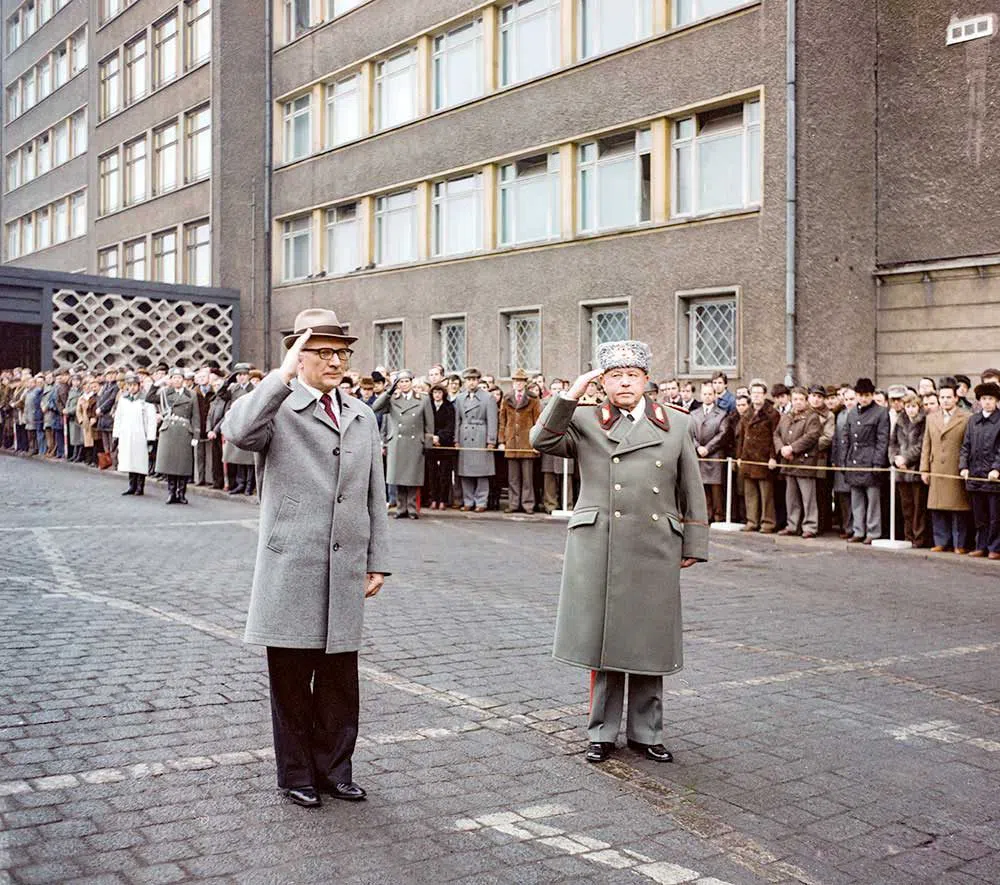
That consequence is the Stasi Prison Memorial Berlin-Hohenschönhausen (Hohenschönhausen), out on the northeastern edge of the city and worth the detour specifically because it is guided-tour-only — you cannot wander it alone, and that's deliberate. The roughly 90-minute tours are frequently led by former political prisoners, which is the detail that makes this the emotional counterweight to the HQ's paperwork: the same system, but from the other side of the desk. English-language tours run daily, but they sell out, particularly in summer, so book your slot — and definitely any group slot — well ahead rather than turning up hoping for space. Admission is €7 adult, €4 reduced, and the guide is included, which is unusual for a site this significant and worth taking as a sign of how they want it visited: unhurried, not monetised beyond the door.
Between the two, budget a half-day. They sit roughly forty minutes apart by public transport, and doing them back-to-back on the same morning is more coherent than splitting them across separate days — the HQ sets up the logic, the prison shows you what the logic produced.
The border in one hall, and the scar it left across the city
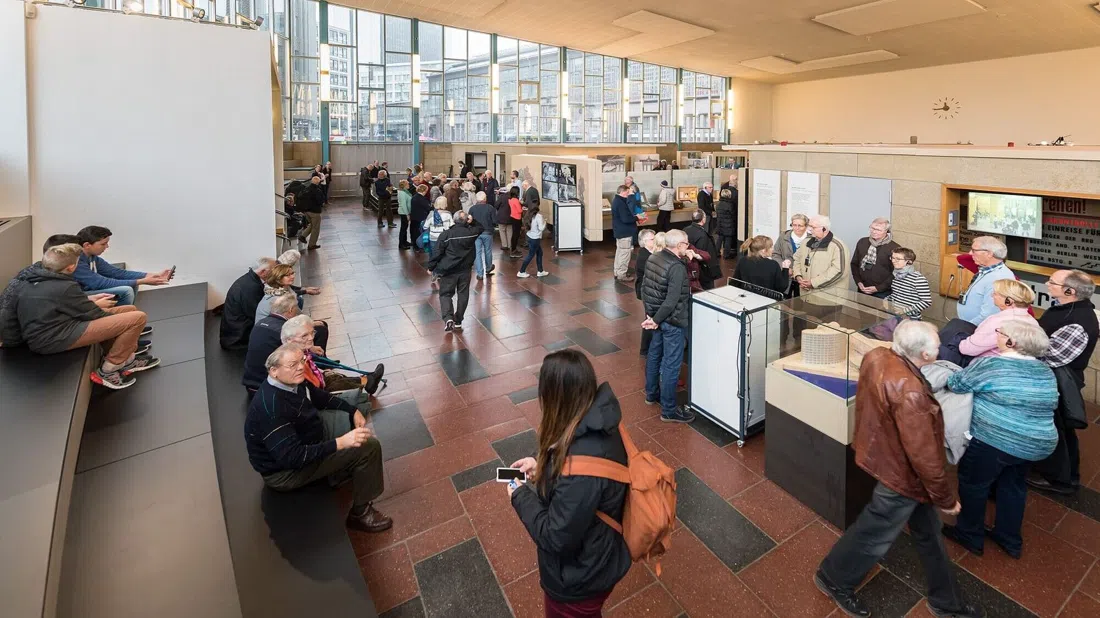
No single building carries more emotional weight in this story than the Tränenpalast, the Palace of Tears (Friedrichstraße), the former border crossing hall where East Germans said goodbye to West German visitors who were allowed to leave again and they were not. It is free, it is an open floor rather than a warren of rooms, and group guided visits of about an hour can be booked in advance — but you can also simply walk in. There is no reason to skip a free site that is, structurally and historically, the actual hinge the whole espionage story turns on: everything else here is either supplying that border or defending against it.
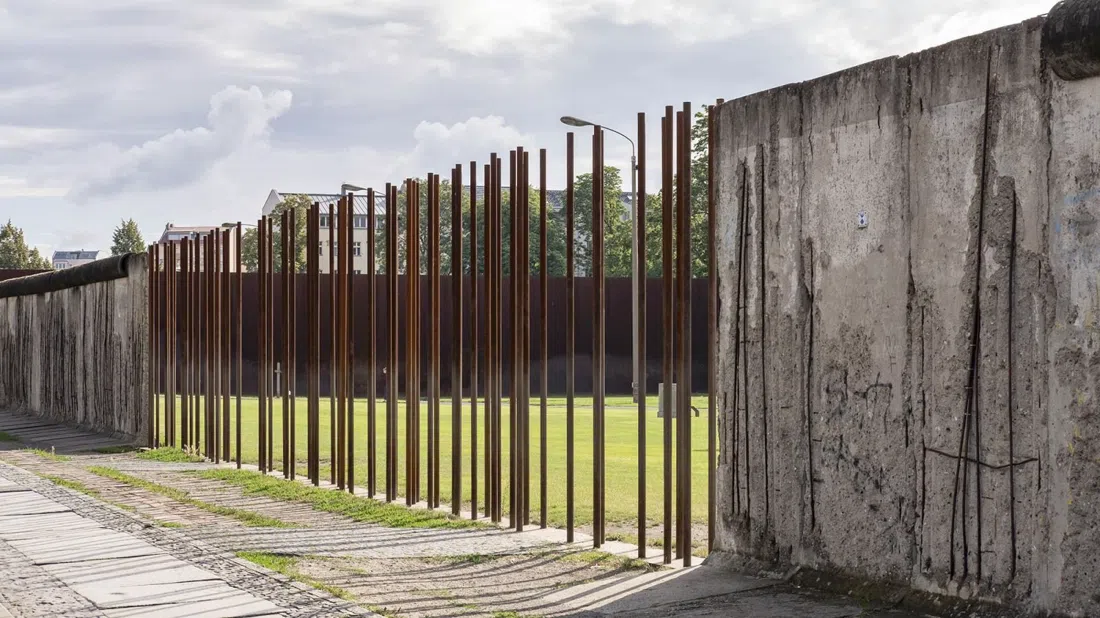
For the physical scale of that border, go to the Berlin Wall Memorial on Bernauer Straße (Mitte/Wedding boundary), which is the strongest single visual anchor in the city for what these agencies were actually built to police. The outdoor grounds are free and open daily from 8:00 to 22:00; the Documentation Centre keeps shorter hours, Tuesday to Sunday, 10:00 to 18:00, and group guided tours can be arranged through the Berlin Wall Foundation. This is where you see the death strip's actual depth, the watchtower, the still-standing double wall — the terrain the entire spy apparatus existed to enforce. It rewards slow walking rather than a fast pass-through; give it an hour minimum, longer if your group wants the Documentation Centre exhibits as well as the grounds.
Out to the edges: the listening post and the bridge
Two sites here sit apart from the city centre, and both suit a slower, more deliberate day rather than a quick add-on.
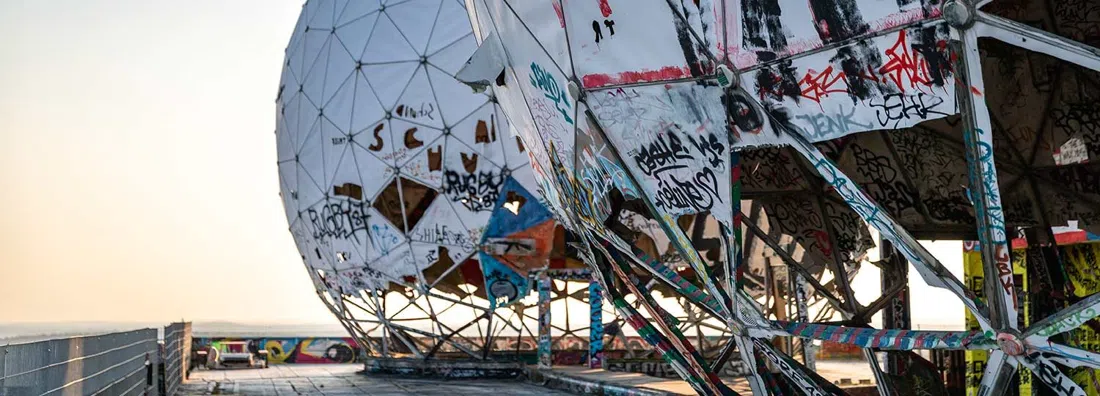
Teufelsberg Field Station (Grunewald) is the American-run listening station built on a rubble hill in the forest, and it's the site most people picture when they hear "Cold War Berlin" even if they don't know its name. It takes groups comfortably, with private tours and a shuttle-inclusive option available, and the site is open daily from 11:00 until sunset. The real reason to go beyond the well-photographed geodesic domes is the "Declassified" Cold War exhibition inside — treat the graffiti and the view as a bonus, not the point. Adult entry is €12, reduced €10, family tickets €27. Wear proper shoes; the ground is uneven rubble under thin soil, and heels or thin trainers will regret the visit.
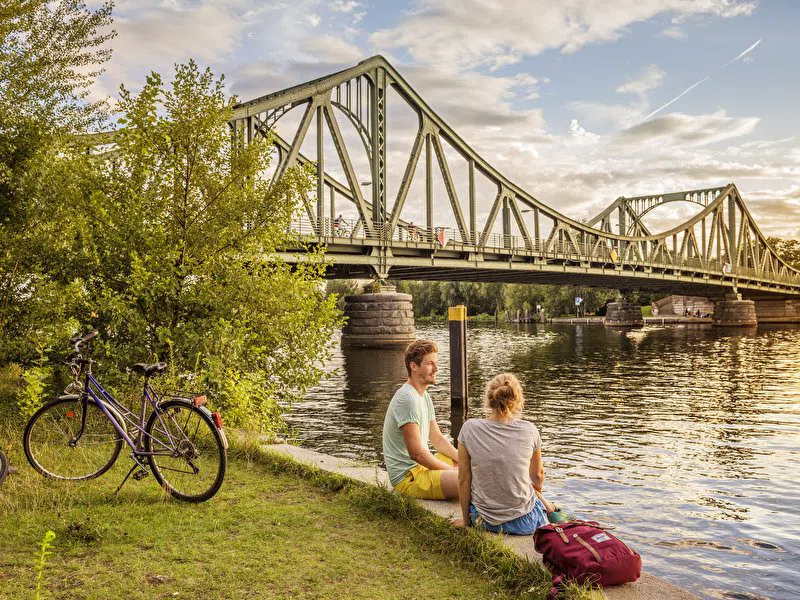
Down at the opposite edge of the city, on the Potsdam border, is the Glienicke Bridge — the actual Bridge of Spies, where the US and Soviet Union swapped captured intelligence officers, most famously Rudolf Abel for Gary Powers in 1962, the exchange the Spielberg film is built around. It's a public road bridge: free, no booking, and works for any group size because there's nothing to organise — you simply stand on it. Pair it with the AlliiertenMuseum (Dahlem), a short distance away, which is free, takes group tours by prior arrangement, and is open daily except Monday. It physically holds the original guardhouse from the Glienicke swap site, relocated onto the museum grounds, which gives the bridge visit real depth rather than leaving it as a five-minute photo stop. Dahlem is a genuine commitment from the centre — factor forty-five minutes each way — but if espionage history specifically is what you're chasing, this pairing is the deepest primary-source material outside the Stasi sites.
The famous names: touristy, crowded, and still worth the door price
Some of the best-known sites here are also the most tourist-dense, and it's worth being straightforward about that rather than pretending otherwise.
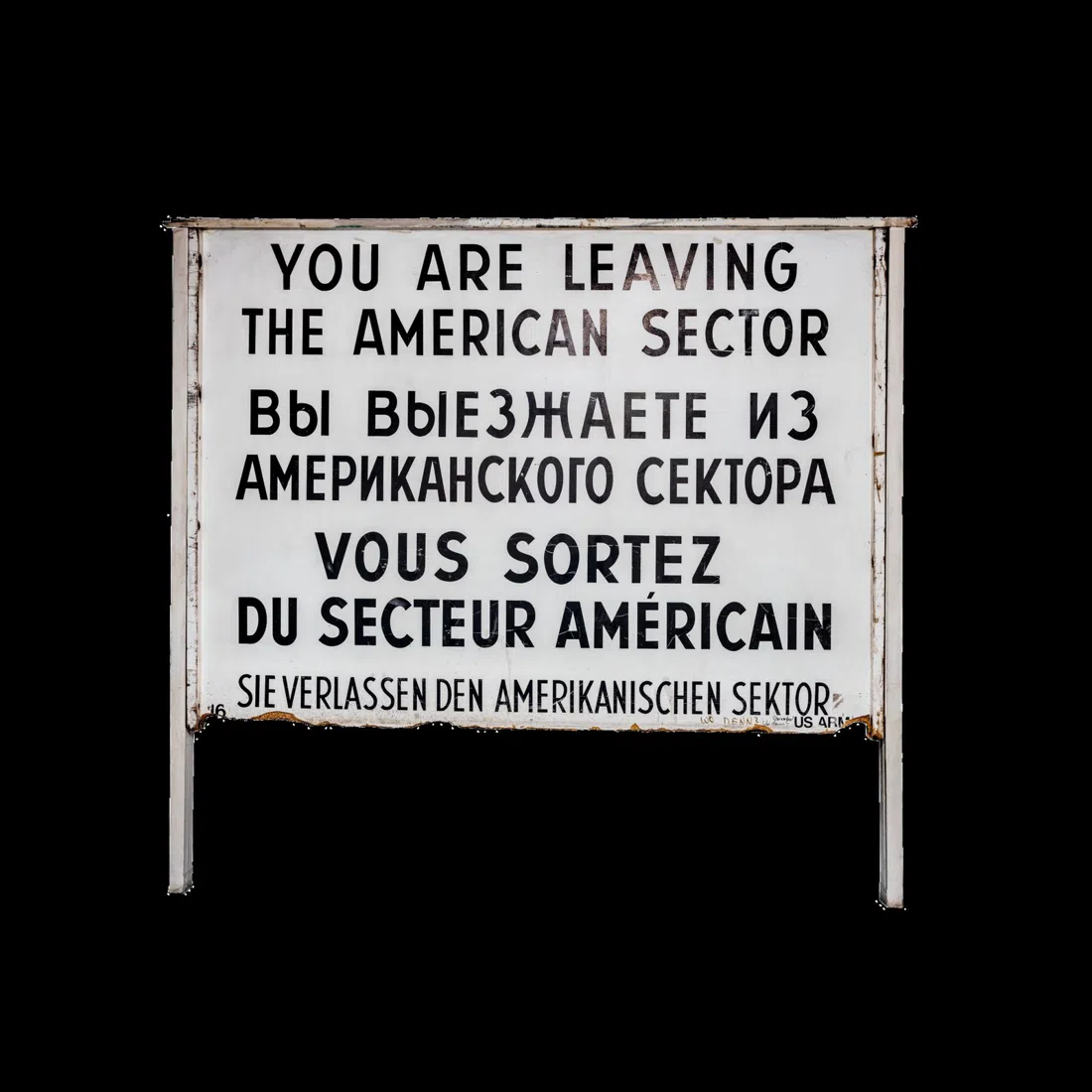
Mauermuseum – Museum Haus am Checkpoint Charlie (Kreuzberg/Friedrichstraße border) pulls close to 850,000 visitors a year, and the street outside is full of costumed "soldiers" charging for photographs that have nothing to do with the actual history. Ignore the street theatre and focus on what the museum does well: real escape artifacts, including several of the actual vehicles and devices people used to get across the border. It's very group-friendly, group tickets are available, and it's open long hours, 10:00 to 20:00 daily, which makes it easy to slot in whenever your group has a gap. Expect to pay €19–20 for an adult ticket — the highest price point on this list, and one that reflects footfall more than scarcity.
The Deutsches Spionagemuseum, the German Spy Museum (Potsdamer Platz), is the deliberate tonal break in a day that otherwise runs heavy — interactive, hands-on, built around laser mazes and code-breaking rather than solemn documentation. It requires time-slot ticketing, so book ahead rather than walking up, and group bookings go through the museum's dedicated group desk. Pricing is dynamic, running €8–20 depending on slot and season, with a typical adult ticket around €17. It suits families and mixed groups better than it suits anyone looking for primary-source weight, and that's fine — use it as relief between the two Stasi sites and Hohenschönhausen, not as a replacement for them.
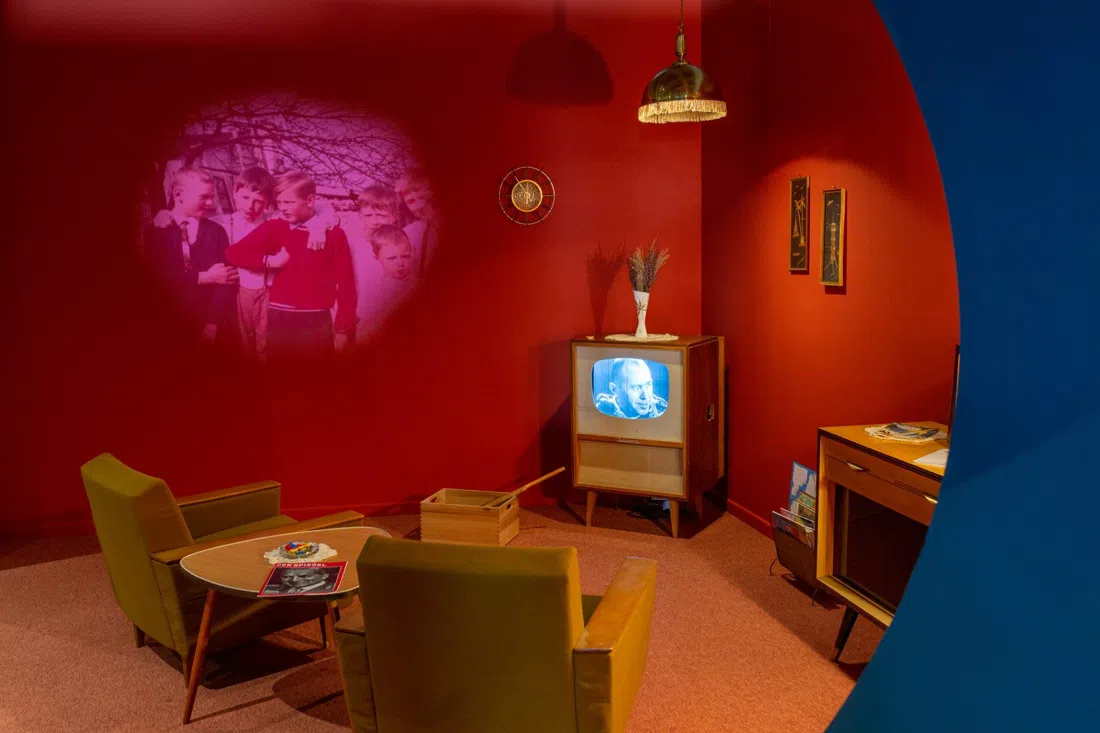
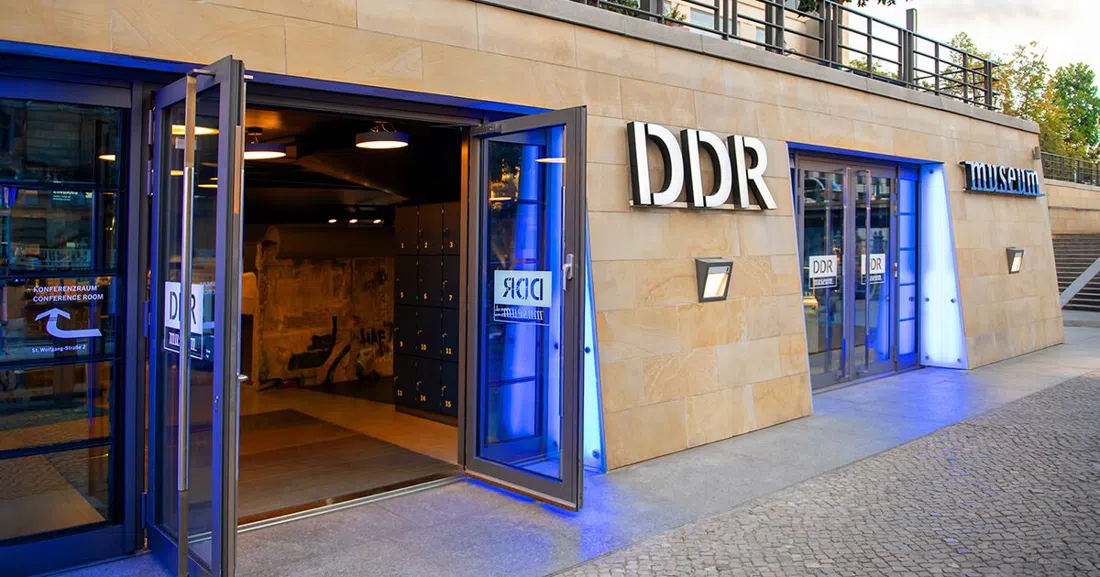
The DDR Museum (Mitte, on the Spree) rounds this group out with broader everyday GDR social history rather than espionage specifically — the recreated apartment, the Trabant you can sit in — but it's the context that makes the surveillance state legible: this is the ordinary life the Stasi was surveilling. It's very popular with groups and gets crowded, so book timed group tickets in advance. It's open daily, 9:00 to 21:00, with adult entry around €14.
Doing it as one guided day, and where to end
If self-navigating five to seven sites across a scattered map isn't what your group wants, the Original Berlin Cold War Tour (meeting outside Friedrichstraße station, by the Tränenpalast) ties the fixed-site version of this story into a single walkable narrative, run for groups of any size, at €15–20 per person. It's a sensible option for anyone who wants one guided day rather than assembling their own route through booking pages and opening hours, and it starts at exactly the building — the Palace of Tears — that anchors the whole theme.
End, wherever you started, at the East Side Gallery (Friedrichshain). It isn't espionage-specific — it's the longest remaining stretch of the Wall, repainted by international artists after 1990 — but it's open-air, free, open 24/7, needs no booking, and works for any group size at any hour. As a closing image for a day spent inside interrogation rooms and listening stations, the sheer length of painted concrete does something the museums can't: it shows you the scale of what all that surveillance was built to hold in place.
Getting it done: transport, cash, timing, budget
Most of these sites sit on or near the U-Bahn and S-Bahn network; Friedrichstraße station is the natural hub since three sites (Tränenpalast, Checkpoint Charlie, and the Cold War walking tour's meeting point) sit within fifteen minutes of it on foot. Teufelsberg, Hohenschönhausen, and the Glienicke Bridge/AlliiertenMuseum pairing are the outliers — budget proper transit time (30–45 minutes each way from the centre) rather than trying to bolt them onto a packed central day. A Berlin travel card covering zones A/B/C is worth it if you're doing Teufelsberg or Glienicke on the same day as anything central.
Cash still matters at some smaller sites and cafés nearby, though card acceptance in Berlin has improved steadily; carry a modest amount regardless. Booking ahead is non-negotiable for Hohenschönhausen's English tours and the Spy Museum's time slots — both sell out, especially in the June–September season — and strongly advisable for group tickets at the DDR Museum and Checkpoint Charlie. The free sites (Tränenpalast, Berlin Wall Memorial grounds, AlliiertenMuseum, Glienicke Bridge, East Side Gallery) give you flexibility to fill gaps in a schedule built around the sites that do require booking.
For a full day covering four to five sites per person, excluding food and transport, figure roughly €40–60 depending on how many of the paid sites you include — Hohenschönhausen and the Tränenpalast are effectively free or near it, while Checkpoint Charlie and the Spy Museum carry the weight of the total. If you're building a multi-day itinerary around this theme, start your search with a Berlin hotel search near Mitte or Friedrichstraße, which puts you within walking distance of half this list, and check the Berlin guide for the wider context of the city around it.