The Berlin issue
Fifteen Doors on the Berlin Techno Pilgrimage
Where Berlin techno started, which doors actually let you in, and how to plan a weekend that does not end in a queue anecdote.
By Mathis BrandtWhere Berlin goes after midnight
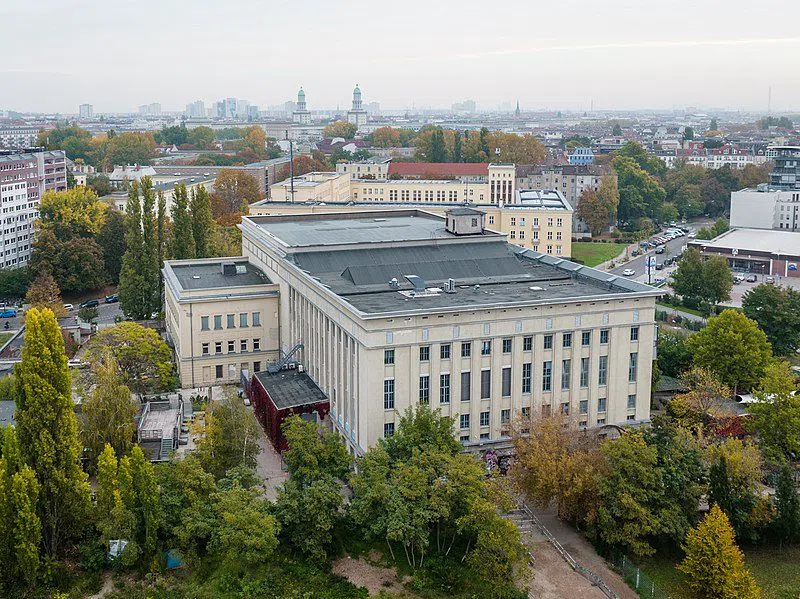
Three in the morning on Am Wriezener Bahnhof, and the queue moves like a confession line: slow, quiet, everyone rehearsing something they will never get to say. At the front a doorman presses a sticker over both phone lenses, and the night stops being documentable. That is the scene in one gesture. The rooms here run on rules, and the rules are why people fly in.
Berlin's clubs get called cathedrals so often the word has gone soft. It is still the most useful description available, because what a visitor books here is a liturgy: a fixed order of things, a shared code of behaviour, and a weekend that starts on Friday evening and does not resolve until Monday afternoon. Below is the route, in the order a first-timer should walk it, with the door realities stated plainly. Some of these places will take your group of eight. Some will take exactly two of you, and only if you shut up in the queue.
Start in the basement that started it
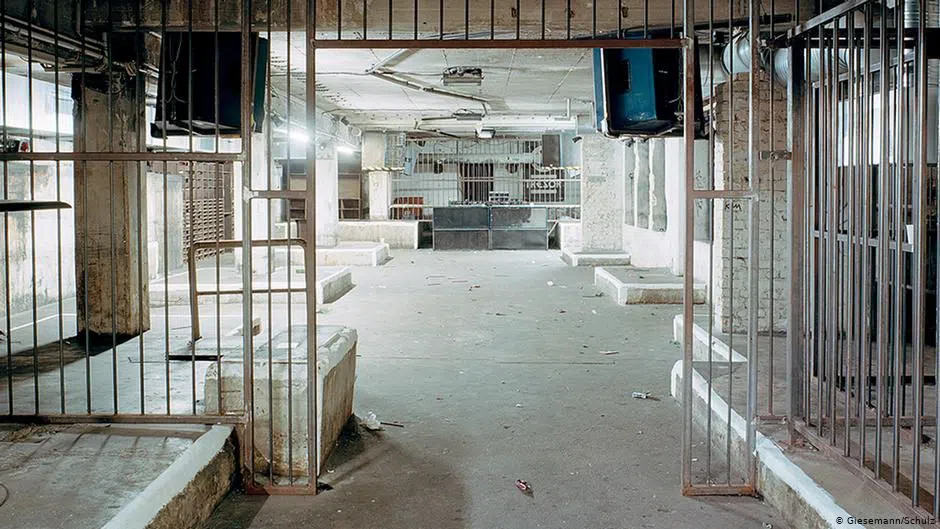
The pilgrimage does not begin at Berghain. It begins at Tresor (Mitte, the Köpenicker Straße stretch near the river), because almost everything downstream is a working copy of an idea that got solved in a bank vault. Tresor opened in 1991 in the safe-deposit basement of an abandoned bank on Wallstrasse, and the steel, the cage doors and the strip-lit corridor came with the building rather than a designer. It now runs from the basement of the Kraftwerk power plant, which is the second thing to understand: the enormous hall upstairs, the one that hosts Atonal and CONTRA, belongs to the same operator. One address, two rooms, wildly different scales. On the right night you can buy into both.
Tresor Records marks 35 years with a two-day T35 celebration on 2–3 October 2026. If your dates land anywhere near that weekend, build the trip around it and treat the rest as filler.
The door is far softer than the one everyone worries about. Groups get in without drama; very drunk or very loud stag-shaped parties do not. Entry runs €18–25, drinks €4–8. Go down the corridor into the vault room early enough to see it half-empty once, then let it fill around you. Down there the architecture explains the music without anyone having to say it.
Plan your Berlin trip
Live prices from our booking partners.
Free cancellation on many rooms. We may earn a commission when you book.
Berghain and the sticker over your lens
Berghain / Panorama Bar (Friedrichshain, behind Ostbahnhof) is the reason the pilgrimage exists and the single worst venue in Berlin to approach as a group. The door is selective, it splits parties, and it turns away people who have done nothing wrong. There is no formula, no outfit that guarantees entry, and no forum post that has cracked it. Ignore anyone selling you a system.
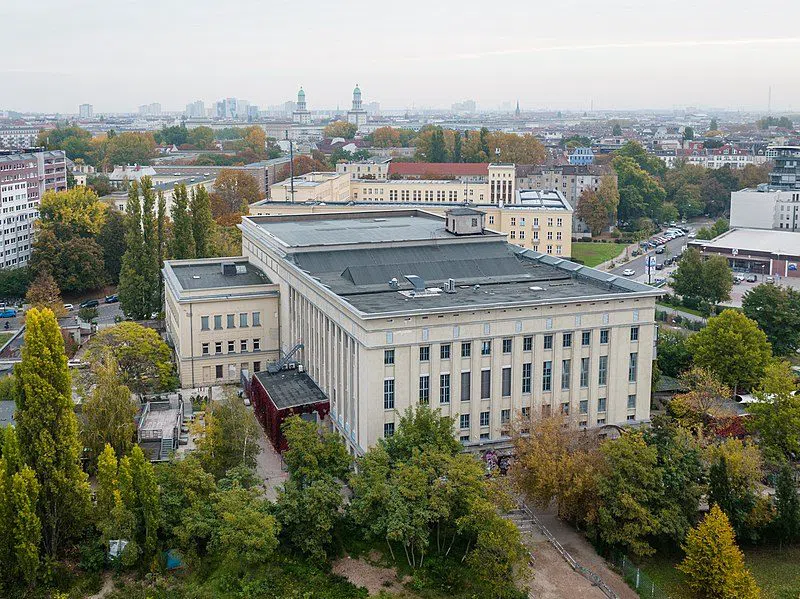
What actually helps: go in ones and twos, arrive sober, dress dark and plain, and do not conduct a loud conversation in English while you wait. Entry is €25–30, drinks €5–9. Klubnacht, Säule and Panorama Bar dates are running through September and October 2026.
The ritual to understand before you go is the camera. Lenses get stickered at the door and nobody photographs inside: not the dancefloor, not the bar, not a friend being funny. The staff rarely have to enforce it, because the crowd does. The effect is that people behave differently for six hours, which is the actual product. If you get in, that is what you paid for.
Do not spend your only Berlin night in this queue. Put it on a Sunday morning if you can, when the crowd is thinner and more local, and have a second address ready in your phone.
The weekend runs as one continuous service
Sisyphos (Lichtenberg, out towards Rummelsburg) is where the idea of the weekend as liturgy stops being a metaphor. Doors open Friday evening and the site runs continuously into Monday afternoon: multiple floors, an outdoor sprawl, food, and people who arrived at different points of the same event. Multi-day themed weekenders are confirmed through September 2026.
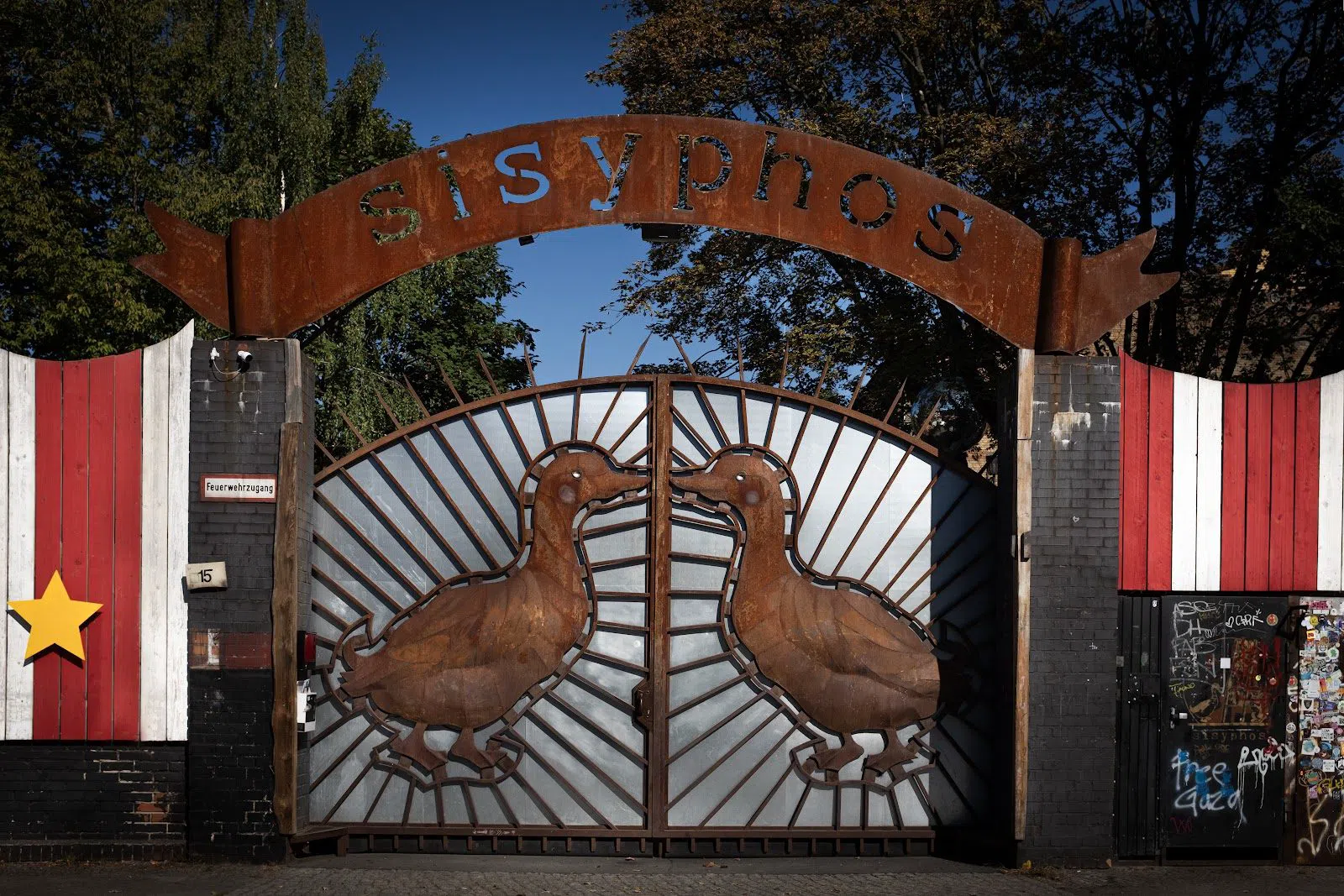
It has the most forgiving big door in the city and takes groups happily. It also queues hard, and the wait is the price. Arrive before midnight on Friday, or come in daylight on Sunday and skip most of it. A weekend ticket is €20–25, drinks €4–7.
Kater (Friedrichshain, on the river at Holzmarkt) is the other half of that idea and the closest thing Berlin has to a hedonist village: wood, fire, an outdoor deck facing the water, weekends that run to Monday. It descends directly from Bar 25, and it was renamed from Kater Blau to simply Kater in August 2025. Use the current name, because half the internet has not updated. Entry is €20–25, drinks €5–8.
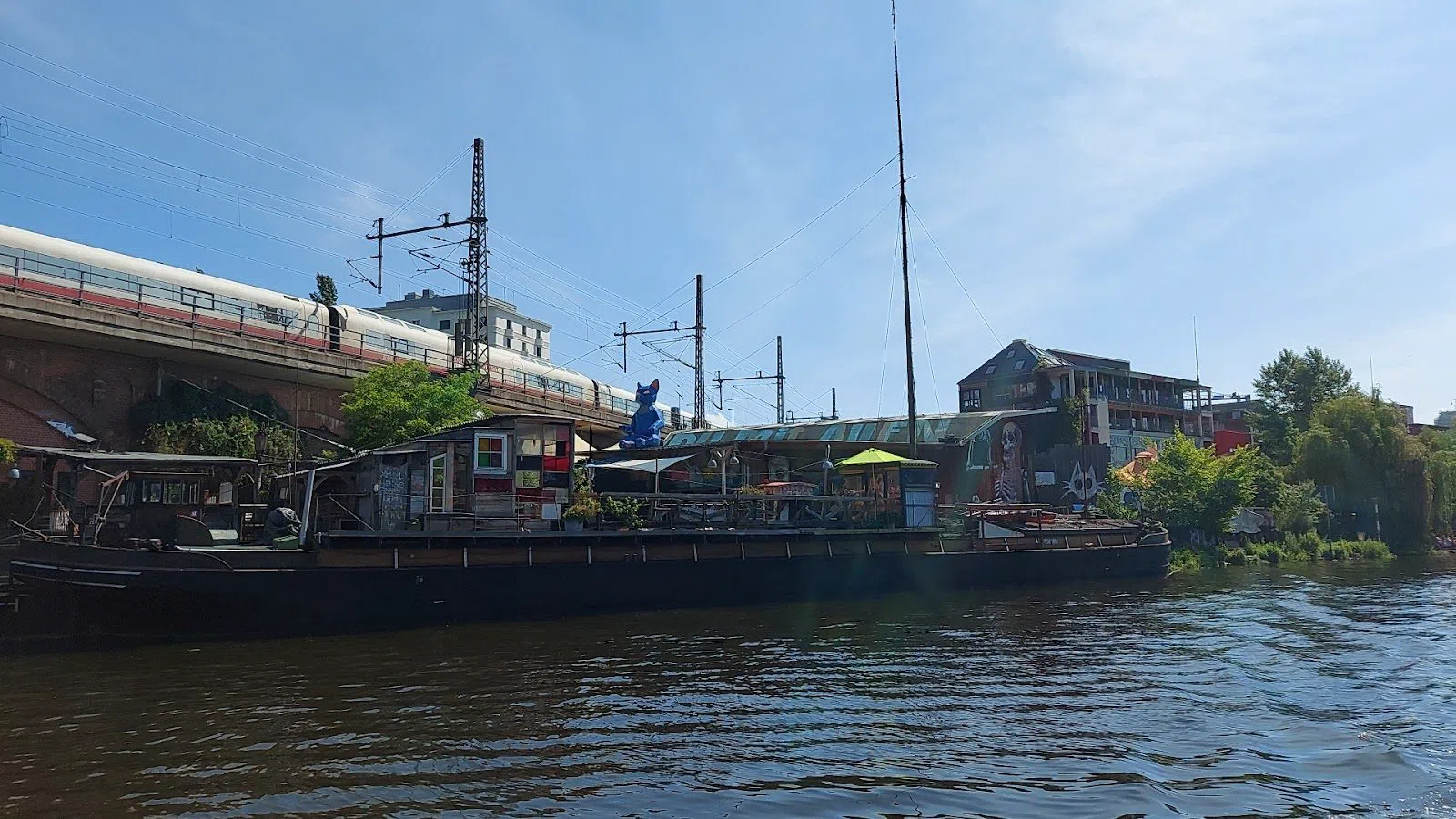
The door is one of the friendlier ones among the famous venues, which is not the same as an open door. Say little in the queue, and do not turn up as a visibly uniformed party. Sunday afternoon on the deck, with the river doing the work and the music at conversational volume, is the single best introduction to why people move here.
Doors that read behaviour, not clothes
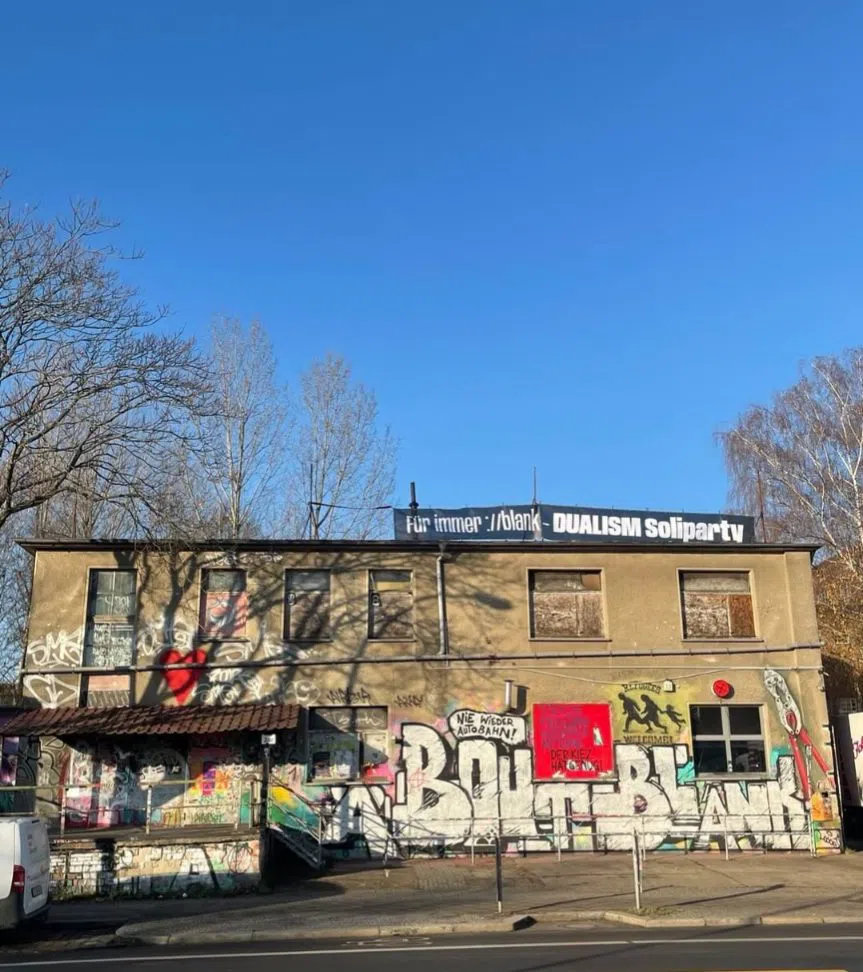
://about blank (Friedrichshain, a two-minute walk from Ostkreuz) is run as a collective with a stated anti-racist, feminist and queer politics, and the door filters for how you behave rather than how you look. That is easier to pass and easier to fail: brief your group before you arrive, and mean it. Small groups are fine. Entry is €15–20, drinks €4–7. The garden, the Sektgarten, runs roughly May to September and is the best cheap daylight session in the city: sunlight, a decent sound system, and a crowd that has clearly been there since the previous evening.
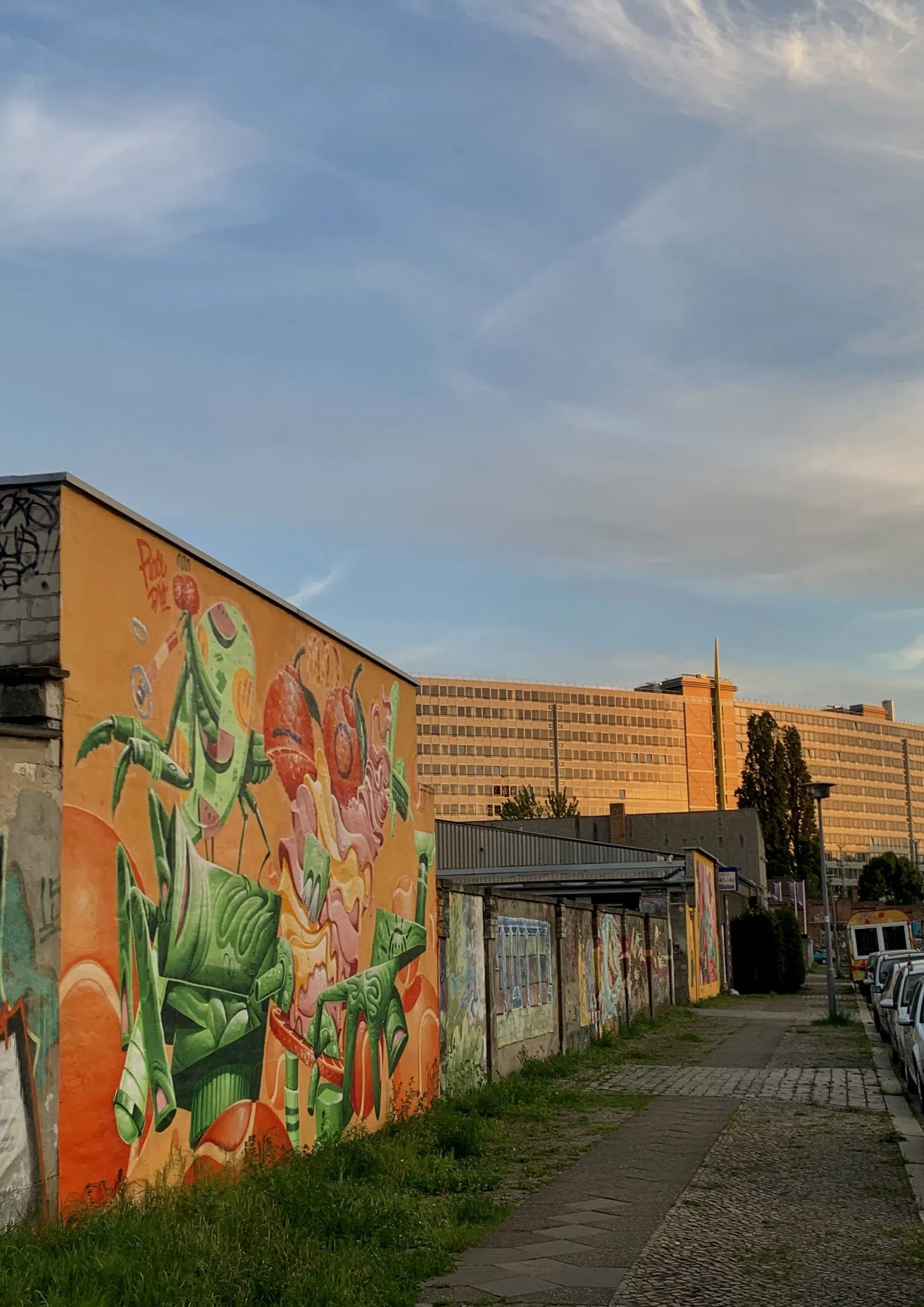
OXI (outer east) belongs to the newer generation that pulled the map away from the centre. It is explicitly body-, sex- and age-positive, queer-friendly, relaxed at the door, and comfortable with groups that behave. There is weekly Tuesday techno and open-air daytime sessions, and entry is €10–18 with drinks at €4–6. Send anyone here who wants a real Berlin night rather than a story about a queue.
Zur Klappe (a former public street toilet, converted) is the theme at its most literal: a gay cruising toilet reopened as a club in 2017 and reprogrammed again recently, a queer underground space physically turned into a dancefloor. It is tiny, a handful of people rather than a party, and open Thursday to Saturday from 23:00, €10–15 in. Arrive as a pair. It is not wheelchair accessible, and you should know that before you cross the city for it.
KitKat, where the dress code is the door
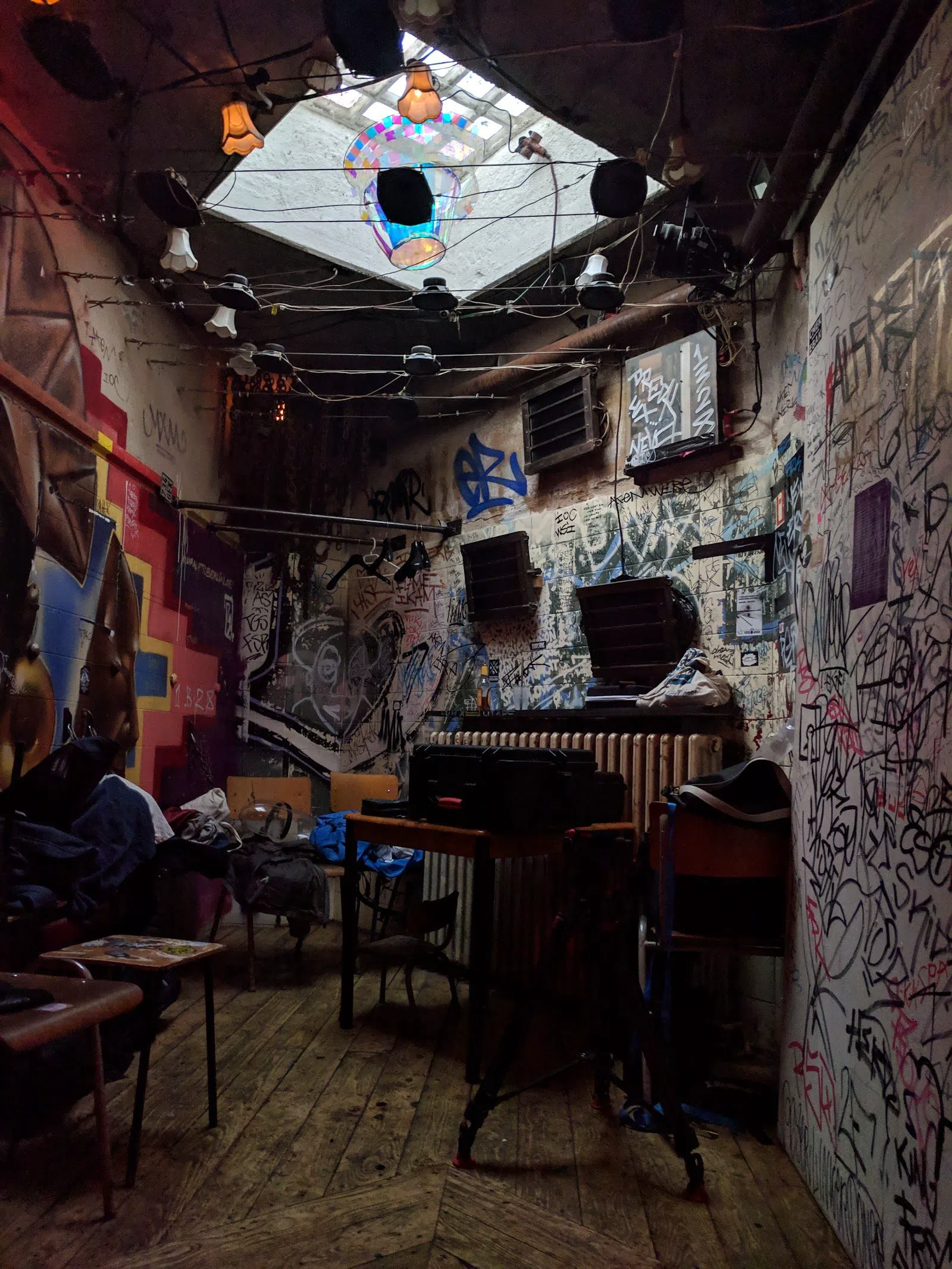
KitKatClub (Mitte, Köpenicker Straße) has been running since 1994 and sorts visitors by whether they can tell a spectacle from a code of conduct. The dress code is the door: latex, leather, fetish, or close to nothing. Ordinary streetwear is refused regardless of how many of you there are. Groups are accepted, but everyone in the group has to have solved the outfit, and that is a decision to make before you fly rather than in a shop on Saturday afternoon.
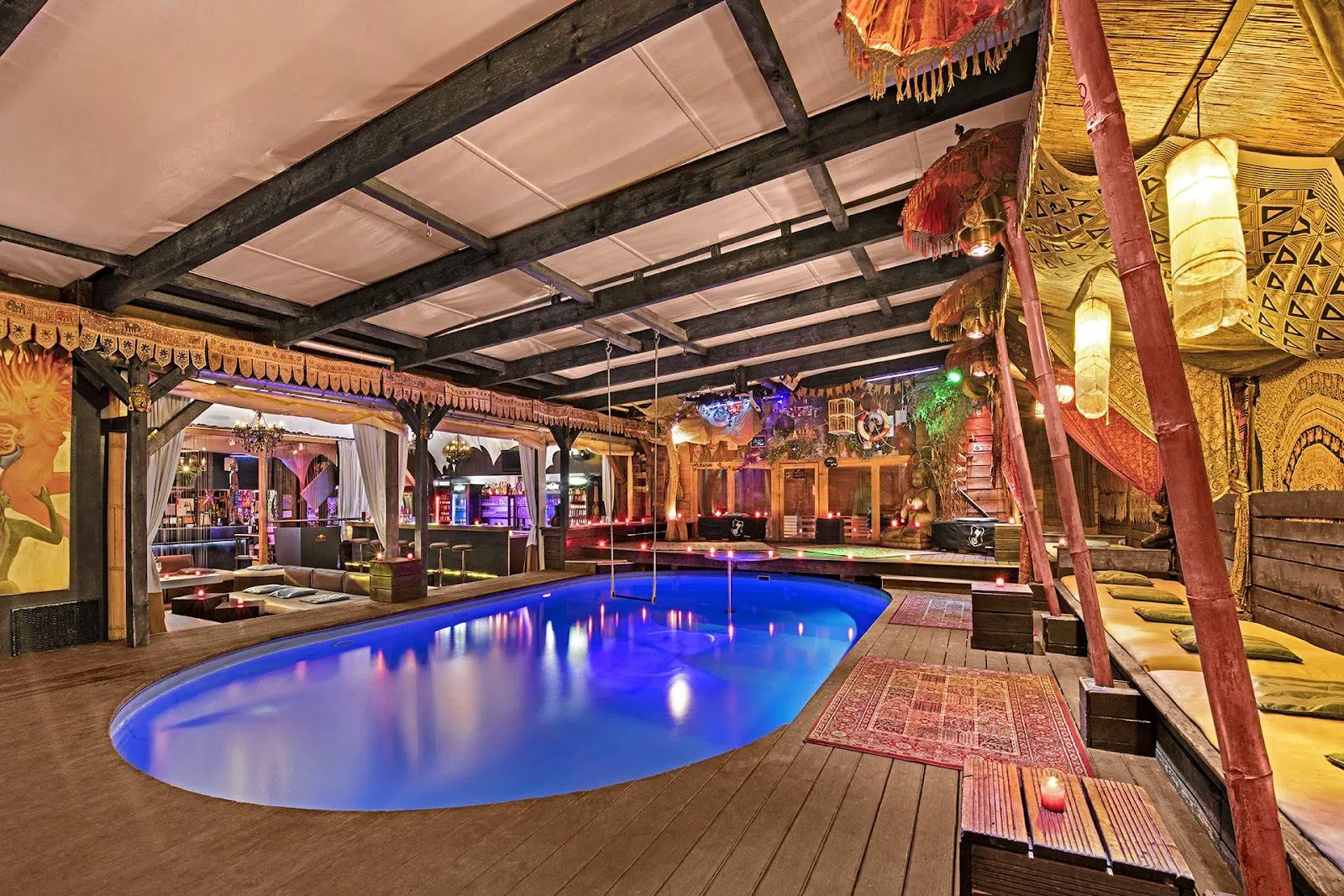
Entry is €20–25, with Wednesday's Symbiotikka at €15–20. Symbiotikka is the strongest techno night here and the one to send a curious first-timer to. Inside: no photos, no gawping, and consent enforced by an awareness team who will remove you. People who treat the room as an exhibit have a short evening.
The map moved south-east
RSO.Berlin (Schöneweide, deep in the outer south-east) is the successor to Griessmuehle after its 2020 eviction, and it shows where the scene goes when it follows cheap ground. Big capacity, pragmatic door, takes groups readily, €15–25 in, drinks €4–7. The multi-day Wall2Wall festival happens on site each August.
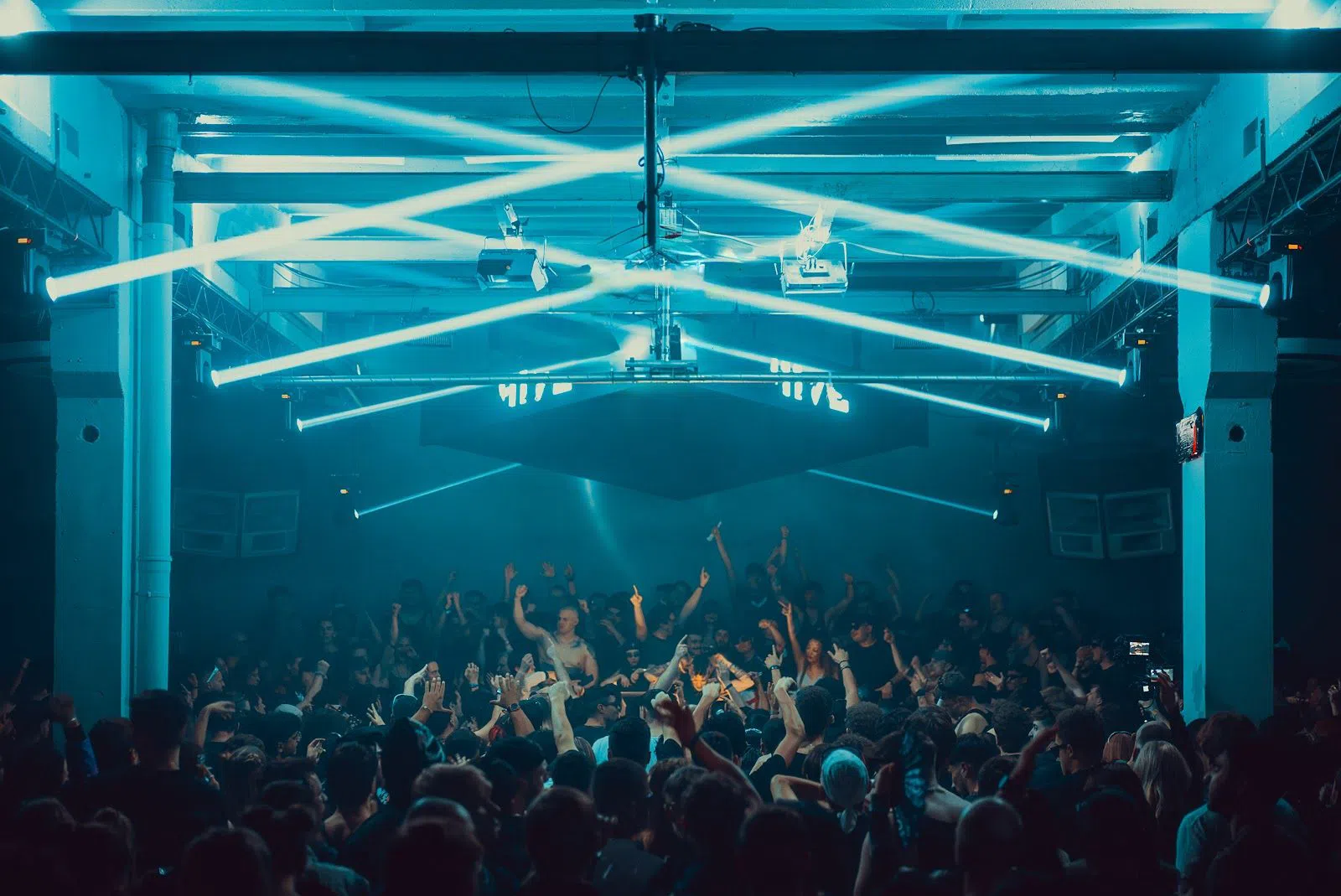
DSTRKT (Prenzlauer Berg) was Anomalie Art Club until it rebranded in 2025 under the HIVE festival team, so anything published under the old name is out of date. This is where the current hard-techno and gabber generation collects: 18+, a straightforward ticketed door, group-friendly, €20–30.
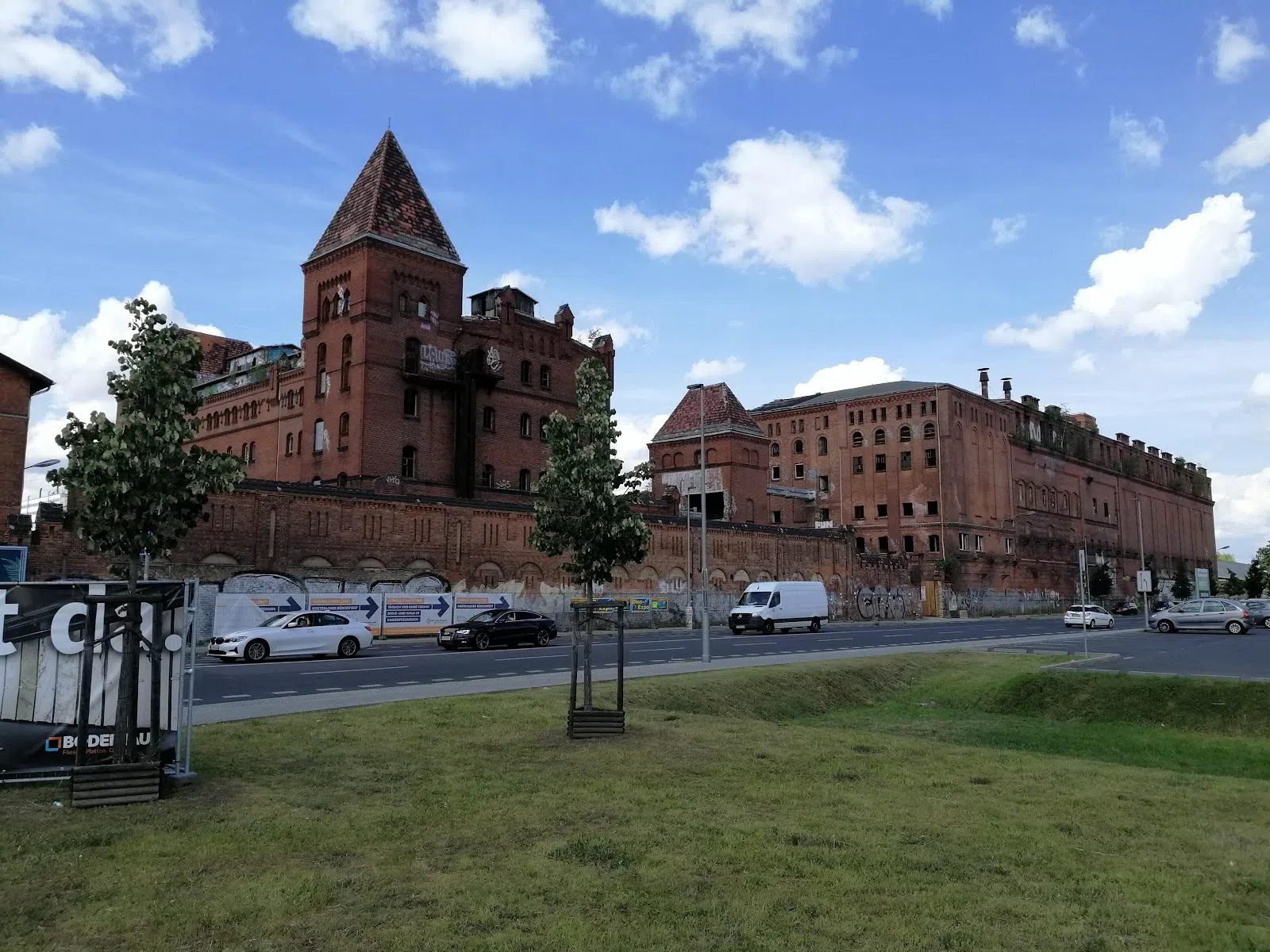
AMT opened for regular operation on 6 June 2026 in a disused casino under the railway arches, with a bespoke Kirsch sound system. It has the best group logistics in the city by a distance: no marathon queue, entry by a time slot you get notified about on your phone, capped prices at €15 rising to a maximum of €20, cocktails around €8, and a door built to be legible to visitors. Programming is peak-time and hard techno plus queer and sex-positive nights. The city is still building, not only mourning.
The clubs that will actually let your group in
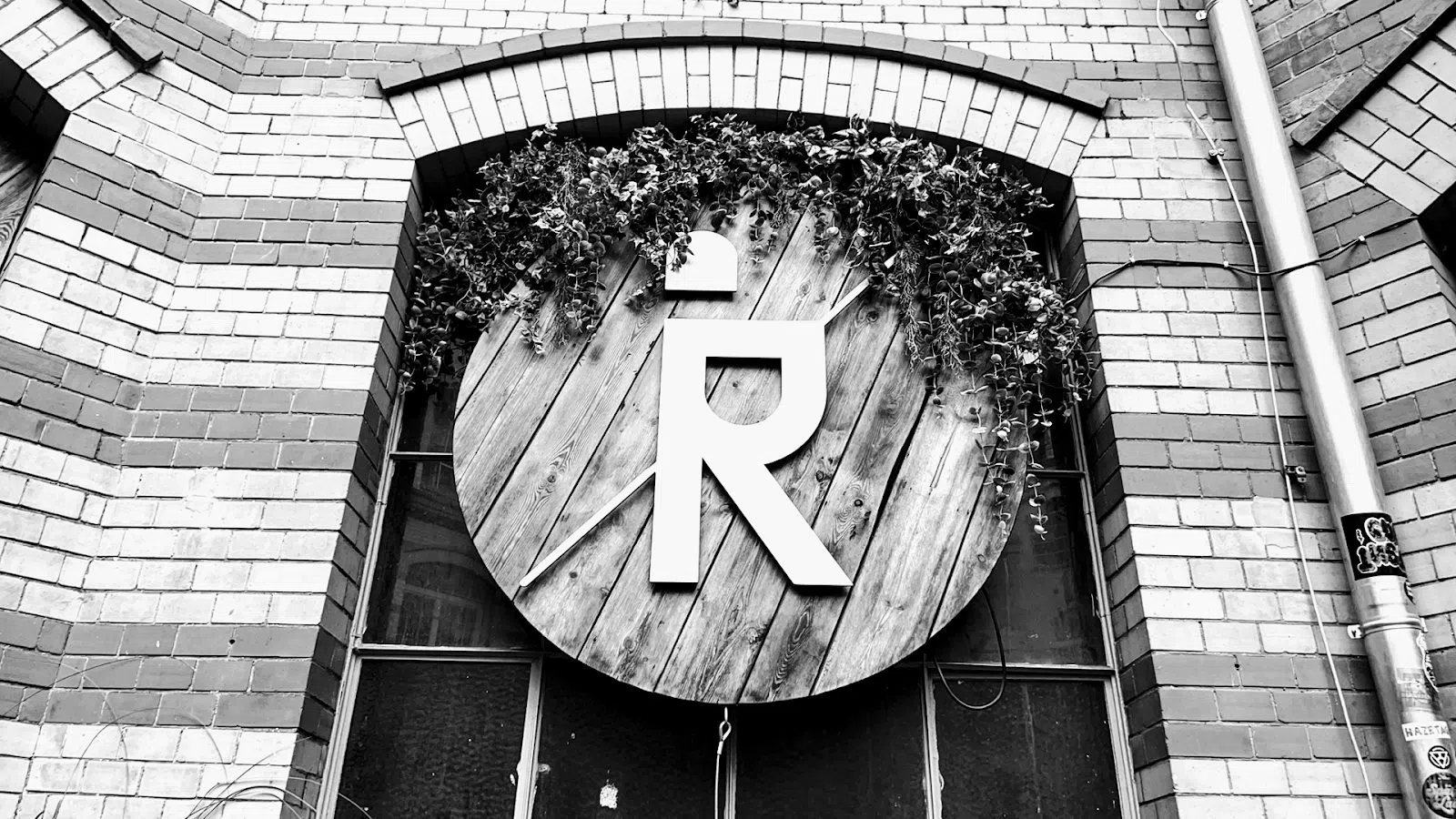
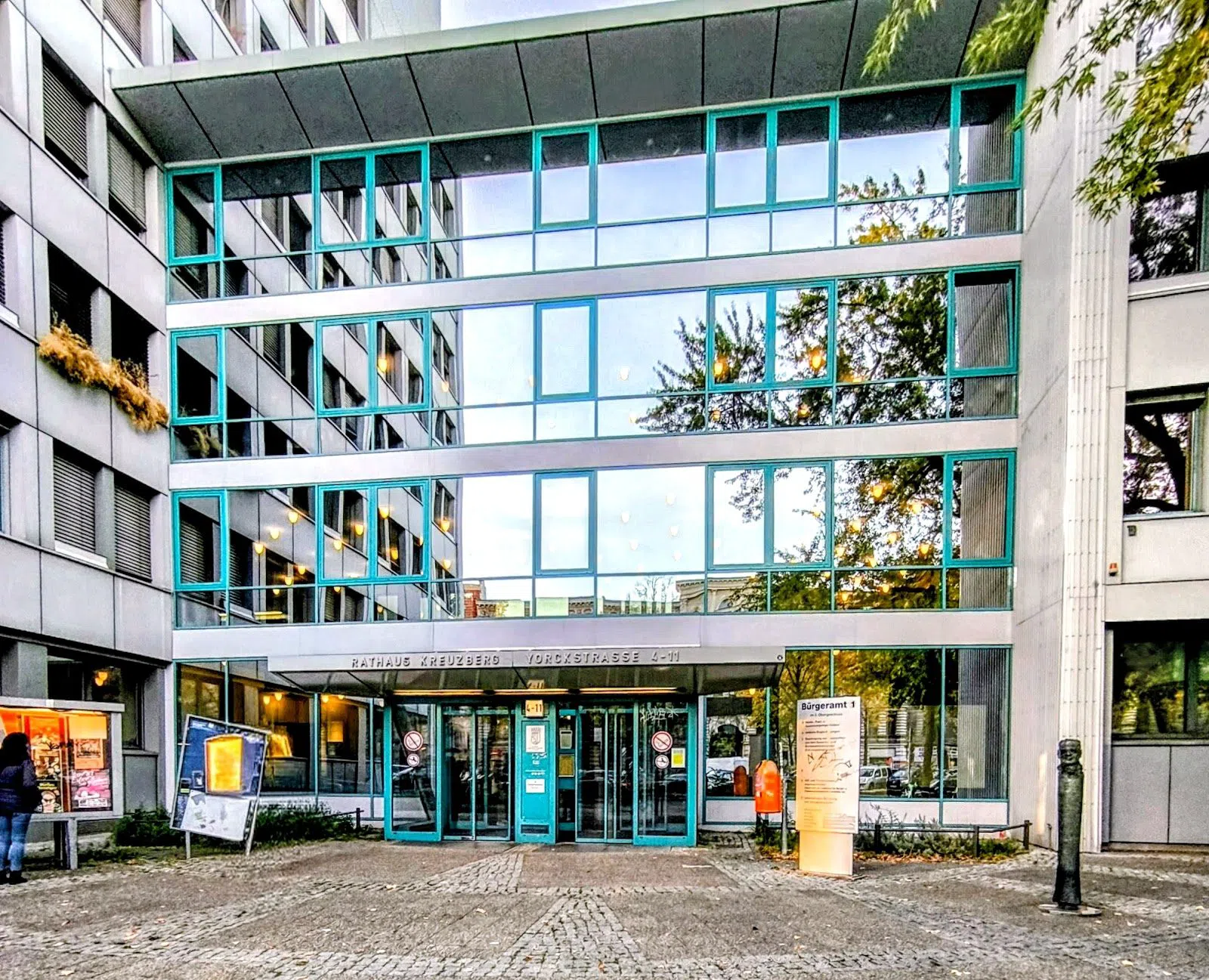
If six international friends want a guaranteed night, book Ritter Butzke (Kreuzberg) and stop negotiating. A former factory running since 2007, it sells advance tickets, publishes line-ups and operates a door that does not play games: €15–25 in advance, drinks €4–8. The music is house and melodic techno rather than the hard end, with large Saturday bookings and a free open air on 1 May.
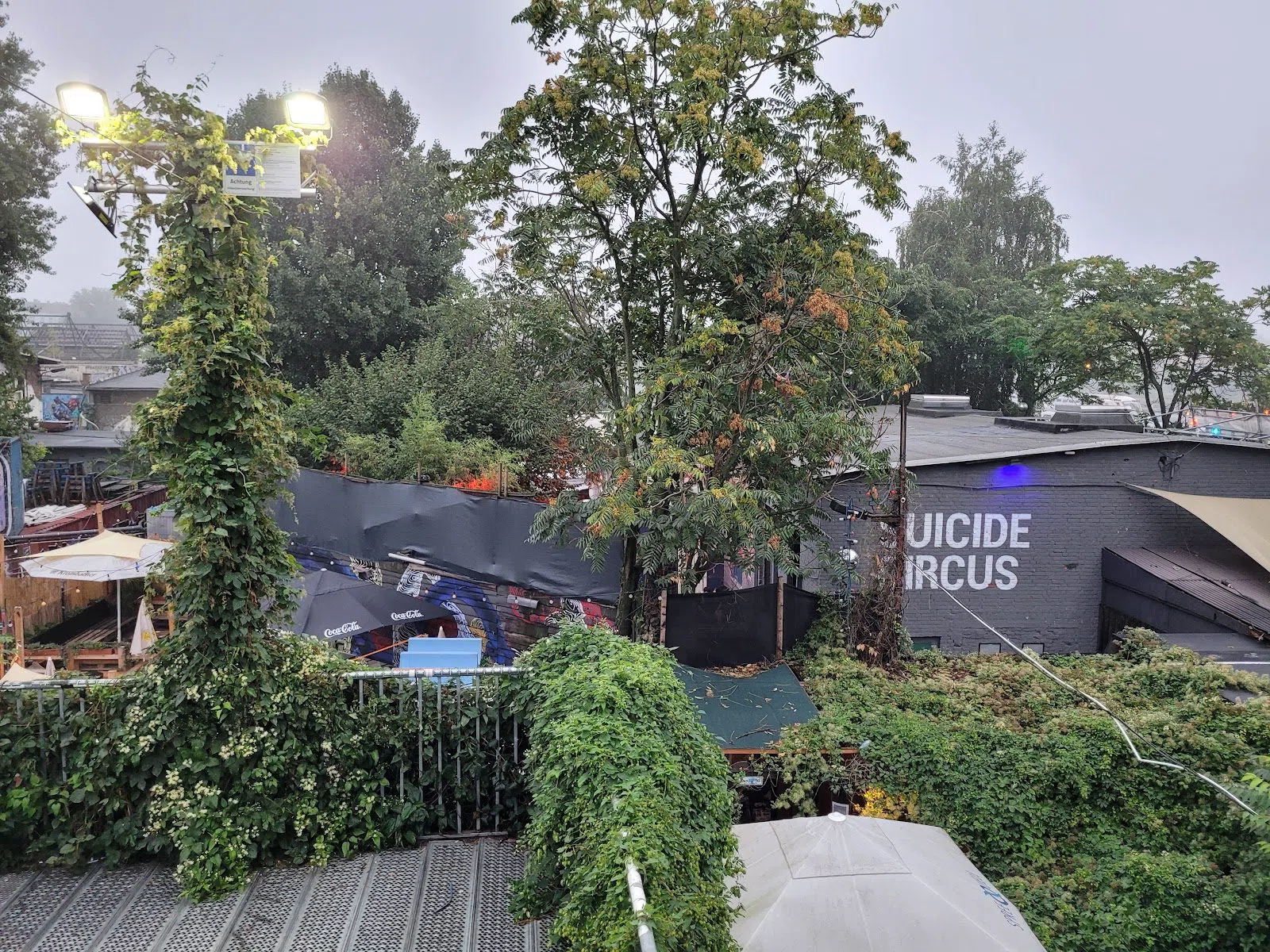
Lokschuppen Berlin (Friedrichshain, inside the RAW compound) is the cheapest easy start. It was founded in 1994 as Suicide Circus and renamed Lokschuppen in 2024, so again, use the new name. Techno, trance and hard techno most weekends, plus the long-running queer party Chantal's House of Shame. Entry €12–20. It is the right first stop for a group that will not survive the Berghain queue. The RAW compound outside is rowdy after dark; keep the group together on the walk in and out.
Salon zur Wilden Renate (Friedrichshain, Alt-Stralau) is the fragility story. It announced its own death, got a last-minute lease extension in December 2025, closed briefly, and reopened at the end of January 2026. The Green Floor is still shut for rebuilding, so check what is actually open before you go. It is 21+ with ID, fully cashless, and around €20 including cloakroom. The rooms are small and warren-like, so arrive in twos and threes rather than twelve-strong, and let the building separate you.
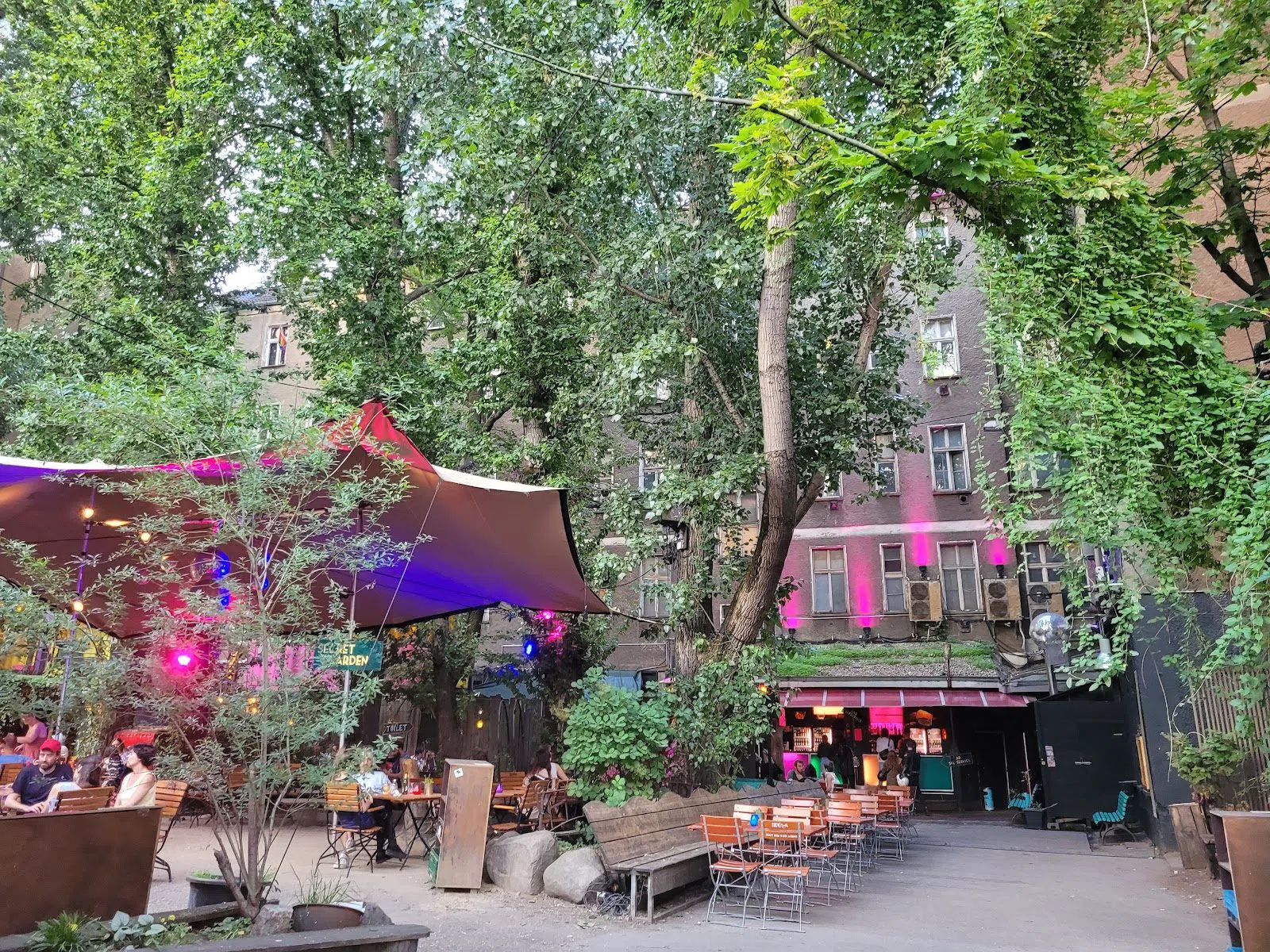
Daylight, water and the winter problem
Club der Visionaere (Treptow, on the Flutgraben canal) has been a wooden raft playing minimal house and techno since 2004, and it is the daylight counterweight to every black box above. Entry is €5–12 and often free in the afternoon. More than four of you will not fit comfortably: the door is easy, the deck is not. It is effectively a summer venue and shuts through winter. Its sister boat Hoppetosse is moored next door and runs year-round, which is the answer if you are here in January.
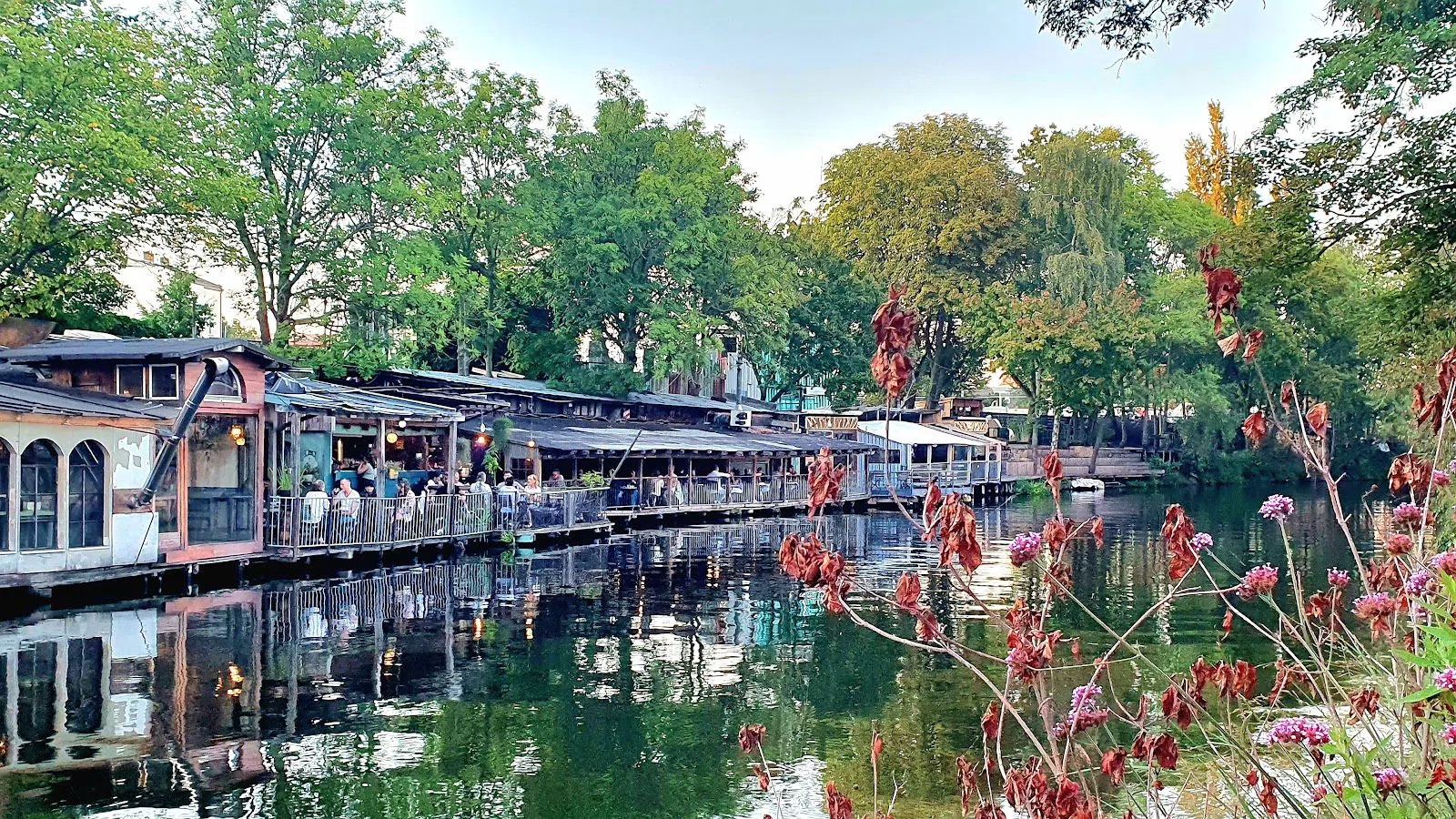
Stack the daytime options and the trip stops being a sleep-deprivation contest: the Sektgarten at about blank from May to September, OXI's open-air sessions, Sunday afternoon at Sisyphos or on the Kater deck, and the canal. Two daylight sessions and one long night beats three nights of queuing.
Practical notes
The U-Bahn and S-Bahn run all night on Friday and Saturday, and night buses and trams cover everything else. That matters most for the outer south-east, Schöneweide, Lichtenberg and the far end of the ring, where a 06:00 taxi costs more than the entry did. Check the last leg home before you set out, not at 05:30.
Bring cash. Several doors and bar counters are cash-only, cloakrooms usually are, and the machines near clubs charge for the convenience. Renate is the exception and is fully cashless. Around €120–150 in cash covers a serious night for one person.
On timing: nothing except the daylight venues is worth entering before midnight, and most rooms do not become themselves until 03:00. Sunday is a working day for this city's dancefloors, so the doors are softer and the crowd is local.
Budget entry at €10–30, drinks €4–9, cloakroom a couple of euros. Three nights out, moving between the tiers above, lands at roughly €150–220 per person before food.
Friedrichshain and the Ostkreuz side put you inside walking distance of a third of this list; start a Berlin hotel search there and work outwards. For everything that happens between 14:00 and midnight, the Berlin guide covers the rest of the city.
One last rule, and it is the one the regulars care about: no photographs inside. Not at Berghain, not at KitKat, not anywhere the door has stickered your phone. The rooms only work because everyone in them has agreed to the same thing.
Before you go
Can a tourist actually get into Berghain?
Yes, though nobody can promise it. Go in ones and twos rather than as a group, arrive sober, dress dark and plain, and keep the volume down in the queue. Entry is €25 to €30. Sunday morning is thinner than Saturday night. Have a second club in your phone before you join the line.
Which Berlin club is best for a group of friends?
Ritter Butzke in Kreuzberg: advance tickets, published line-ups and a door that does not play games. AMT is the other strong option, with phone-notified time slots instead of a queue and entry capped at €20. Lokschuppen and RSO.Berlin also take groups without fuss. Berghain is the worst choice for a group.
Do Berlin clubs take cards?
Assume not. Several doors, bars and almost all cloakrooms are cash-only, and the ATMs nearest the clubs charge for it. Salon zur Wilden Renate is the exception: fully cashless. Carry around €120 to €150 in cash for a full night.
What should I wear to get in?
Dark, plain and unremarkable works for most techno doors, including Berghain. KitKatClub is the one place where what you wear decides it: latex, leather, fetish or close to nothing, and streetwear is refused. Sort that outfit before you travel.
When do the clubs open and when should I arrive?
Most rooms are not worth entering before midnight and only get going after 03:00. Sisyphos runs continuously from Friday evening to Monday afternoon, Kater's weekends run into Monday, and Zur Klappe opens Thursday to Saturday from 23:00. Daytime sessions (the about blank garden, Club der Visionaere, Sunday at Sisyphos) start in the afternoon.