Walk five minutes east of the Bösebrücke on a Saturday in May and the city stops behaving like one. Terraced blocks give way to a grid of clipped hedges, hand-painted gate numbers and huts capped by law at 24 square metres, each one leased for less than most people pay for a month of transport. There are roughly 71,000 of these plots inside Berlin's boundary, and in the inner districts the queue for one is now counted in decades. That is how a shed on rented soil became the most fought-over property in the city.
Why the queue runs to twenty years
A Kleingarten is not real estate and never becomes any. You lease from a Verein, the Verein leases from the district, and the federal allotment law of 1983 caps the rent at roughly what a commercial market gardener would pay for the same ground. In practice a 300-square-metre plot costs a few hundred euros a year with water, insurance and the association fee included. The only real money changes hands at the start, as the Ablöse, an official assessor's valuation of the hut, the fruit trees, the fences and paths the last tenant leaves behind. Depending on the district that is a four-figure sum, occasionally more if someone has over-built, and a good assessor will strike out anything the rules do not allow.
The rules are the other half of the bargain. Roughly a third of the plot has to grow food, not lawn. Nobody may live there year-round. The hut has a hard size limit, subletting is banned, and the association inspects. Berliners accept all of it because the alternative is a balcony.
So the thing is rationed by time instead of price. On the outer edges, in the Brandenburg-facing colonies out past the ring, you can sometimes take over a plot within a year or two. Inside the ring the picture inverts: colonies in Prenzlauer Berg, Kreuzberg and Neukölln quote fifteen to thirty years, and several have simply closed their lists rather than keep adding names to a queue nobody will live to reach. Plots also pass sideways in practice, through the association's own network, which is not corruption so much as the natural behaviour of a club with 350 members and one vacancy.
The history explains the intensity. The colonies began in the 19th century as poor gardens and as the health-reform plots named after a physician called Schreber, turned into real food supply in both wars, sheltered bombed-out families through the rubble years, and then survived a divided city on both sides of the Wall: the western colonies wedged against the death strip, the eastern ones organised into a mass leisure movement. After 1990 came restitution claims, then two decades of a land market that treats any unbuilt hectare as a development site. Berlin has since legislated to secure most of the colonies that sit on state-owned land. The ones on private or federal land are still exposed, and that distinction is the difference between the two ends of this article.
The colony pubs that will serve a stranger
The colonies themselves are private ground, but many run a Vereinsheim (a club pub), and a good number of those are legally public restaurants. This is the honest way in: you eat where the plot-holders eat, you sit at their long tables, and you do not have to pretend to be anyone's cousin.
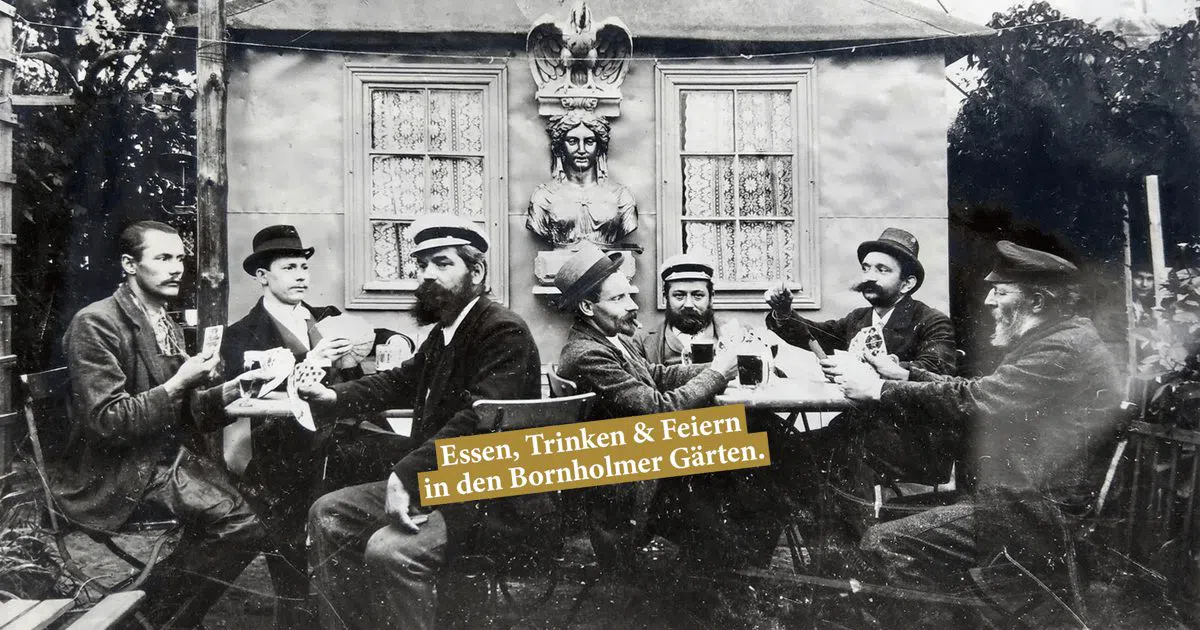
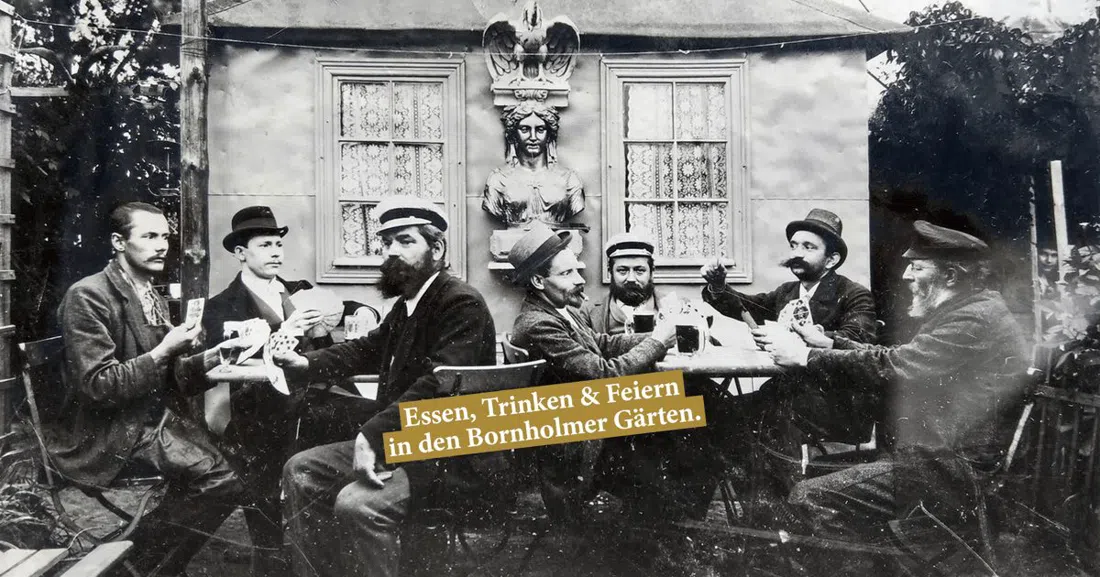
Gaststätte Bornholm's (Pankow, in Kleingartenanlage Bornholm I) is the single best entry point for an outsider. The colony is 125 years old and sits five minutes from the Bösebrücke, the crossing that opened first on the night of 9 November 1989, so the walk in carries its own history before you reach the gate. The pub serves non-members Wednesday to Sunday, mains run roughly €8 to €16 and a beer is about €4. Small groups can walk in; the Vereinsheim also hosts the colony's public neighbourhood festivals and takes bookings for larger parties by phone. It closes Mondays and the hours move with the season. In winter, ring first rather than trusting a website.
Gartenlokal Alte Baumschule (Pankow, at the LKV Alte Baumschule) is the friendliest of the northern club pubs and the one that actually programmes events, including soul and jazz matinees at around €6. Draught beer, wine, cocktails and small plates land between €5 and €15. It explicitly takes weddings, birthdays, children's parties and club assemblies, and you book those with the landlord, Matthias Kirsch. March to October is the real season; January to March opening depends on the weather.
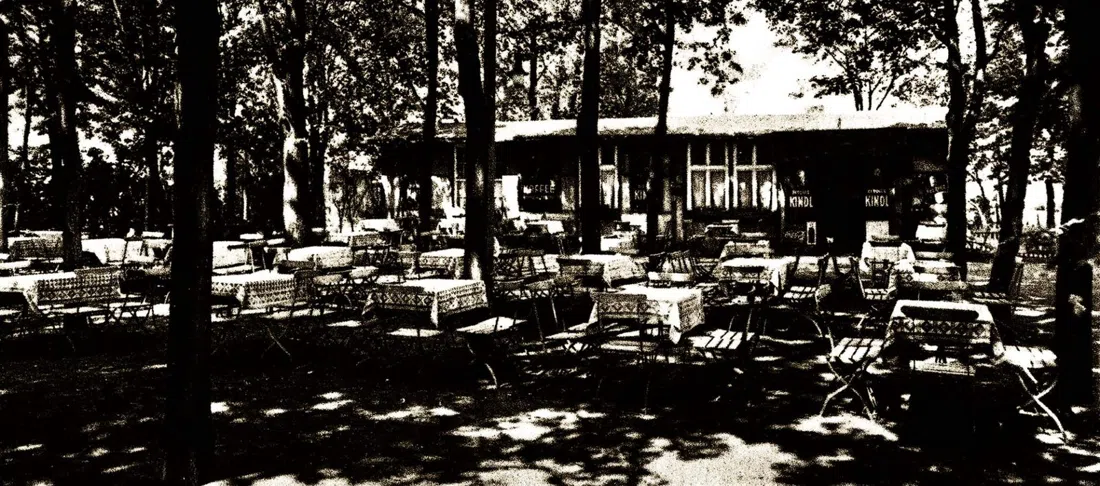
Gaststätte Britzer Wiesen (Britz, in the DKGA Britzer-Wiesen) is the clearest proof that a colony can also function as a public park. Anyone can walk in, eat cheaply, and watch the livestock. Schnitzel plates are around €15.90 and almost nothing on the menu passes €18. There are large tables and a function room, so reserve by phone for a group. Thursday is schnitzel day; the kitchen takes a winter break and reopens in late February.

Gasthaus Bielefeldt (Lichtenberg, in the KGA Alwin Bielefeldt) is the eastern counterpoint, an allotment tavern hemmed in on all sides by Plattenbau, which is exactly the contrast the whole story is about. Traditional German mains are roughly €12 to €20, a step up in price and formality from the others. It markets itself for weddings, anniversaries, company parties and birthdays, and it is worth reserving by phone or email. Open Wednesday to Sunday, 12:00 to 20:00; the beer garden runs April to October only.
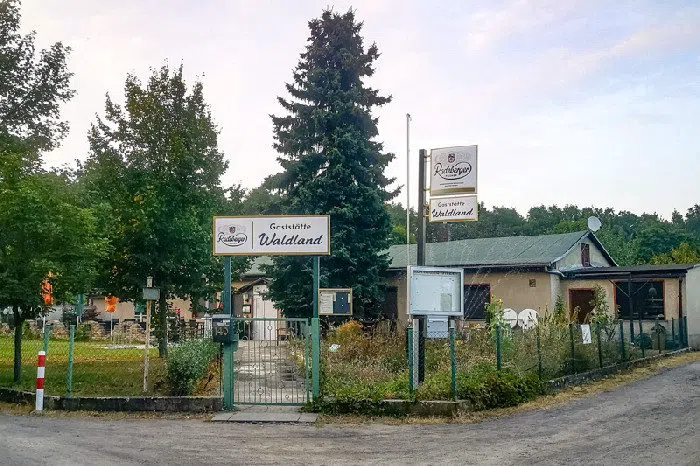
Gaststätte Waldland (Treptow-Köpenick, in the KGA Waldland near Adlershof) feels rural in a way nothing else on this list manages, and there is live music now and then. Pub food and beer come in at €8 to €15. It is a one-person operation, so phone ahead. Special openings for groups and celebrations are arranged on request. Closed Mondays and Tuesdays year-round, and it does not open until 15:00, or 17:00 in winter.
A note on manners that applies to all five. The paths between the plots are private, the hedges are somebody's living room wall, and the pub is the public part. Stay on the marked route to the Vereinsheim, keep the camera pointed at your own table, and the welcome is warm. Wander down a side path photographing huts and it will not be.
The one walk that shows you the scale
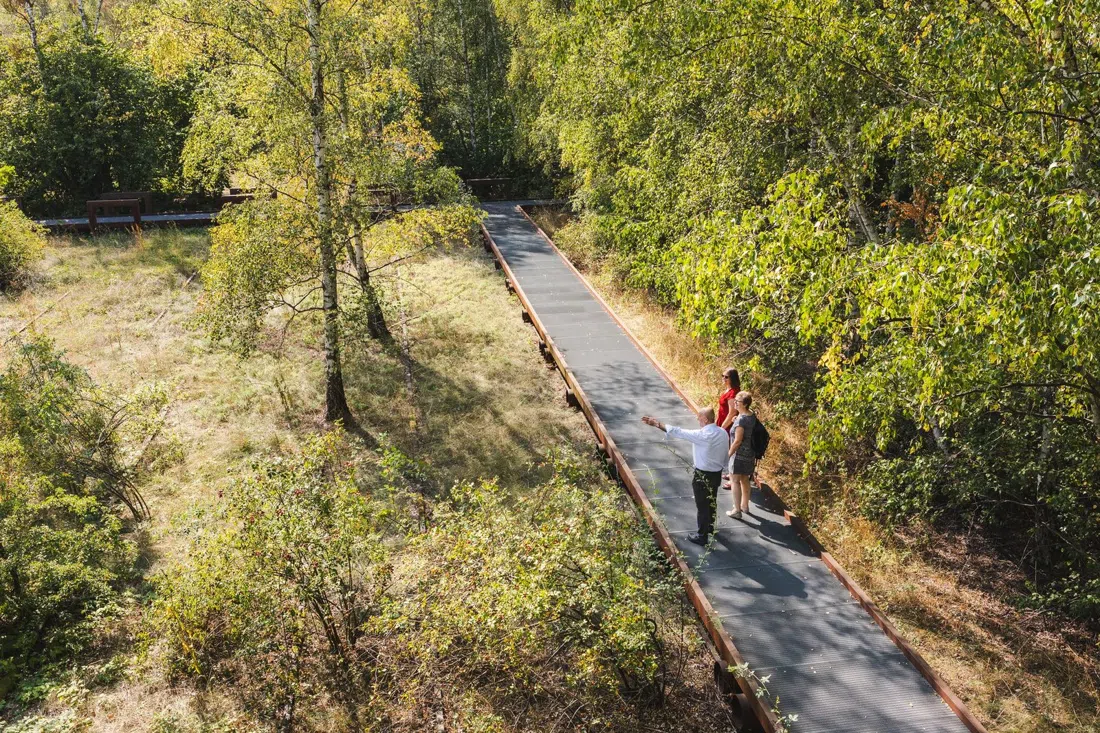
Natur-Park Schöneberger Südgelände (Schöneberg, entrance at S-Bahn Priesterweg) is the only place you can see the size of the thing. This is an abandoned marshalling yard left to go feral, with steel walkways raised over birch scrub and rusting track, and it abuts Berlin's largest contiguous allotment area: 26 colonies covering 738,000 square metres. One slow hour gives you the wilderness and the fenced plots side by side, and from the raised path the geometry of the colonies reads like a street plan for a town that was never built upward. Entry is €1 from ticket machines at both entrances, free under 14. The walkways handle school and tour groups without trouble. In winter it shuts at 16:00, which comes fast in December.
What a referendum could not save
Kleingärtnerverein Oeynhausen (Steglitz-Zehlendorf) is the cautionary tale, and it is worth twenty minutes even though there is nothing to buy there. In a binding local referendum, 77% of voters backed keeping the colony. Around 150 plots were bulldozed for the Groth housing development anyway, because the land was privately owned and the compensation arithmetic beat the vote. The public paths and a nature trail are walkable in daylight; there are no facilities and no festival ground any more, so treat it as a self-guided visit rather than a venue. What you are looking at is a fence line with new-build on one side and surviving plots on the other. That single line explains why the waiting lists are what they are, and why every colony in the city now knows exactly which category of land it sits on.

Gardens with no waiting list at all
The answer a younger Berlin gave to the twenty-year queue was to stop asking permission.
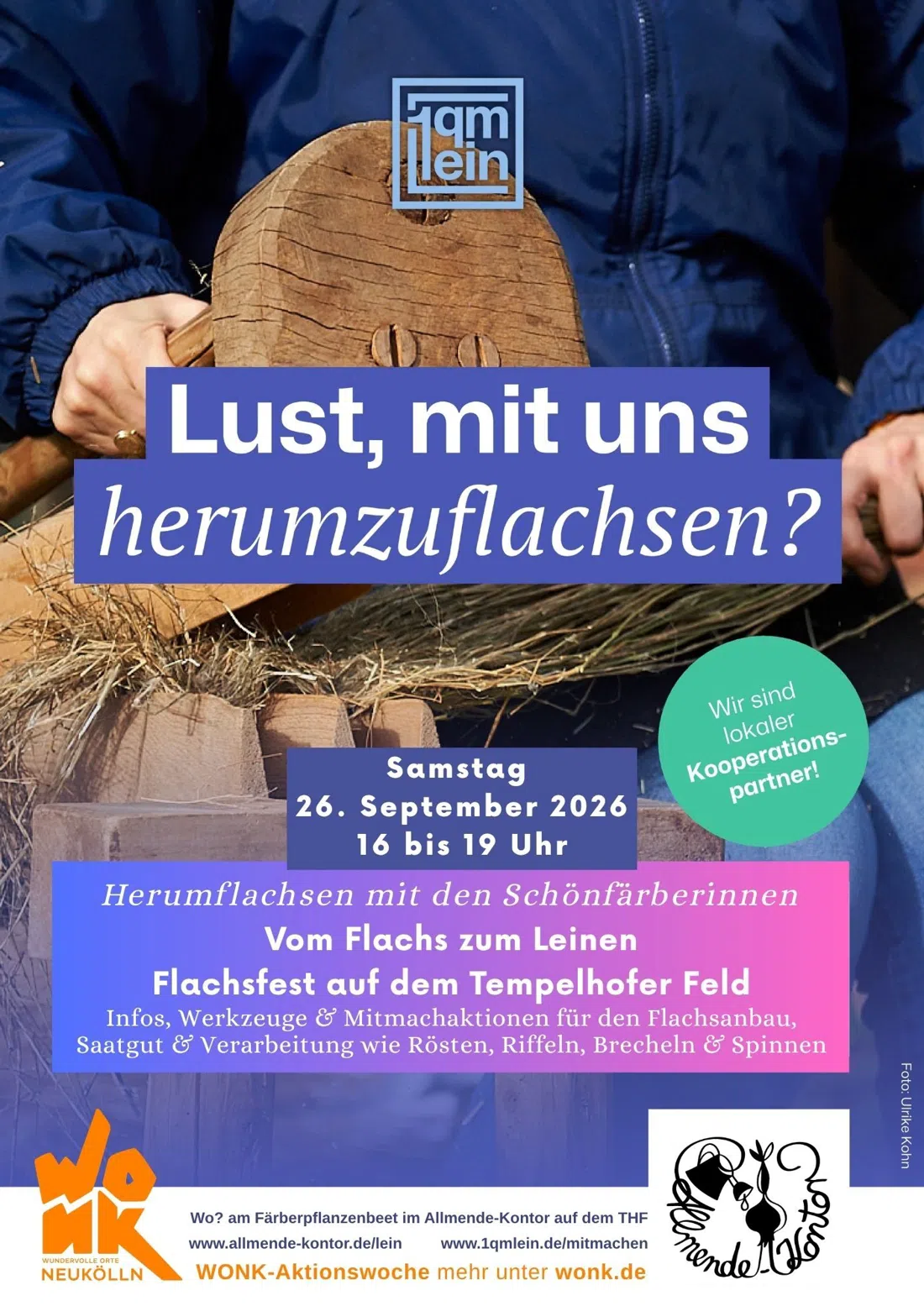
Gemeinschaftsgarten Allmende-Kontor (Tempelhof, on Tempelhofer Feld) is the anti-Kleingarten: no fence, no individual lease, no decade-long queue, several hundred improvised raised beds built out of pallets and bathtubs on the apron of a dead airport. It is freely accessible during the field's opening hours, it costs nothing, and it is the most photogenic garden in the city, particularly in the hour before the field closes. The garden community meets on the first Saturday of the month and welcomes visitors who want to get involved; bed allocation days (the next is 11 April) are the best chance to actually meet the gardeners rather than just look at their work.
Prinzessinnengarten Kollektiv Berlin (Neukölln) is the second life of the famous mobile Kreuzberg garden, now growing among the graves of a working cemetery, and it is the sharpest modern rebuttal of the allotment model: collective rather than private, open rather than fenced. Entry is free, the café and farm shop are open to all with items around €3 to €10, and the collective runs guided tours, workshops and longer courses. Groups should book a tour in advance rather than turning up. Café and farm shop run April to October, with much shorter winter hours.

himmelbeet Gemeinschaftsgarten (Wedding) is the displacement story in miniature: evicted from its original Leopoldplatz site and rebuilt from scratch two neighbourhoods away. Entry is free and the pavilion café runs on donations, with coffee, lemonade and crêpes. It sells workshops, interactive garden tours and guided visits to schools, companies and private groups, all of which need booking ahead. Its beds are rentable by the year, which is the closest thing in Berlin to holding a Kleingarten without joining the queue.

Gemeinschaftsgarten Prachttomate (Neukölln) is the scrappiest of them and the most Berlin: fifteen years old, still improvised, still fighting off a neighbouring investor project. Small groups are welcome on open evenings, every Friday from 17:00 and most weekends; the late-August summer festival is the other reliable date. Outside those hours you may simply find the gate shut, and the site is not step-free, so check access before you plan around it. Entry is free, donations welcome.

The dream that got planning permission
Gartenstadt Falkenberg (Bohnsdorf, Treptow-Köpenick) is the state-sanctioned version of everything above, a UNESCO-listed garden city where every household was given its own private garden by architecture rather than made to win one in a thirty-year lottery. The streets are free to walk. StattReisen and independent guides run 2.5 to 3 hour tours for around €15, €10 concession, with a minimum of ten people and advance booking; there are free tours on UNESCO World Heritage Day, 7 June. It is a lived-in neighbourhood, not an open-air museum, so keep to the public lanes and do not photograph into windows.

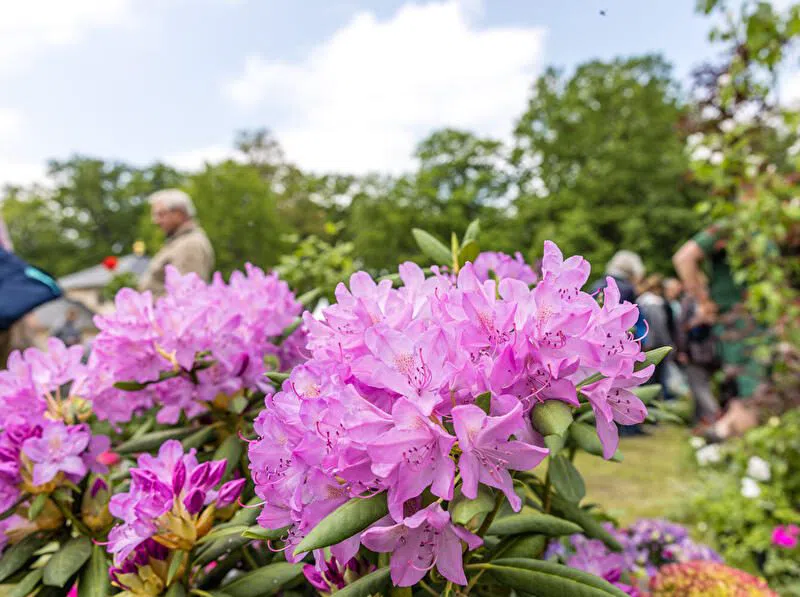
Botanischer Volkspark Blankenfelde-Pankow (Pankow, on the northern edge) is the historical bookend. It opened in the 1900s as a municipal teaching garden, born of the same civic impulse as the allotment movement and exactly the opposite politics: green space handed down by the city rather than claimed by its tenants. The park is unrestricted and free; the Umweltbüro Pankow runs free 30-minute guided greenhouse tours on Tuesdays and Thursdays between 10:00 and 13:00, and the greenhouses themselves open Monday to Friday, 10:00 to 14:00.
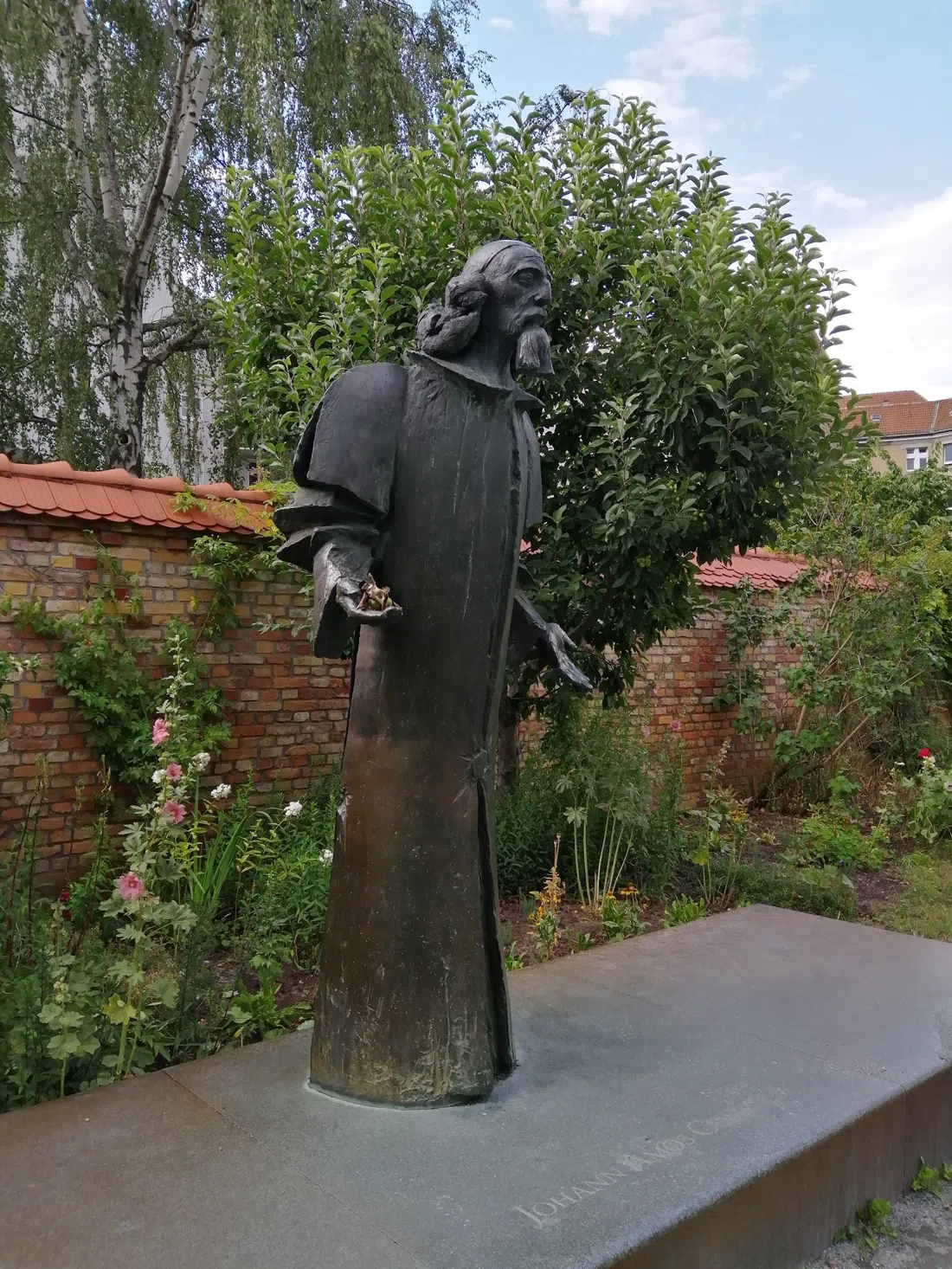
Comenius-Garten (Rixdorf, Neukölln) sits inside the 18th-century Bohemian settlement and is a real secret, a small formal garden laid out as a walk through a philosopher's idea of a life. Open daily 12:30 to 20:00, free, with guided tours available on request through the association. It is a useful reminder that Berlin's obsession with green space predates the Kleingarten by two centuries.
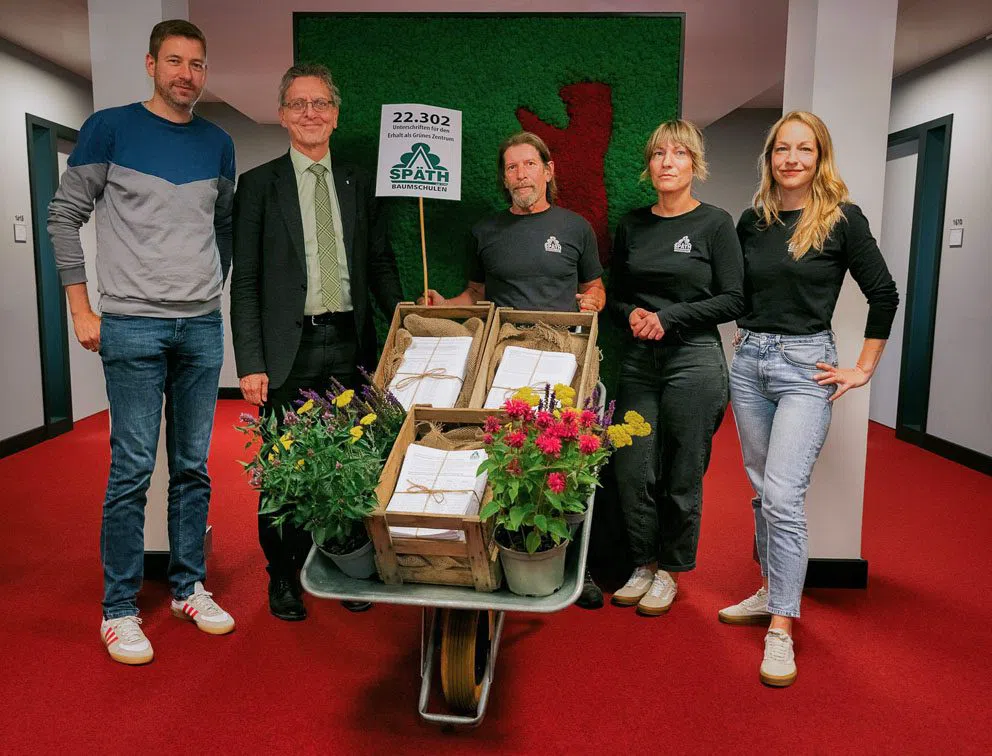
Späth'sche Baumschulen (Baumschulenweg, Treptow-Köpenick) is the supply chain behind every plot in this article. Founded in 1720, big enough that a whole district is named after it, this is where Berlin's gardeners have bought their trees for three centuries. Entry is free and plants are priced individually; the nursery opens Tuesday to Sunday, 11:00 to 18:00, from March, closed Mondays. The neighbouring Späth-Arboretum runs 15 April to 31 October, Wednesday, Thursday, Saturday, Sunday and holidays, 10:00 to 18:00.
Where you eat the garden
Café Botanico (Neukölln) is the only place on this list where the garden ends up on the plate. Germany's best-known urban forest-garden restaurant grows a serious share of what it serves in the permaculture plot behind the dining room, which is Berlin's appetite for private soil turning up in a commercial kitchen. Dinner runs roughly €25 to €40 a head. It opens Tuesday to Sunday, evenings only, 17:00 to 22:00; reservations are strongly recommended and non-negotiable for a group. Free garden tours run on almost every first Sunday of the month, which is the cheapest way to see it if dinner is out of budget.

Practical notes
Everything here is reachable on the S-Bahn and the tram, and most of it sits far enough out that the train is faster than a car. Check the fare zone before you buy: the inner sites are all zone AB, but a few of the outer colonies and Bohnsdorf edge toward the boundary, so a day ticket covering the right zone beats buying singles. Between sites, plan two per day and no more. Pankow to Britz is an hour across the city, and the point of these places is the unhurried hour you spend in them.
Carry cash. Several colony pubs are cash-only or reluctantly card-friendly, the Südgelände ticket machines want coins, and donation-based cafés obviously do. Season matters more than in most cities: March to October is when the colony kitchens, beer gardens, arboretum and community cafés are all running at once. From November the picture thins out fast, hours shrink, and phoning ahead stops being polite and starts being necessary.
Budget is modest by any capital's standards. A full day of colony pubs, the €1 Südgelände ticket and a guided tour at around €15 lands well under €50 a head; only Café Botanico moves the number. For a base, the northern colonies favour a bed in Pankow or Prenzlauer Berg and the southern ones favour Neukölln. Compare rates with a Berlin hotel search, and read the rest of our Berlin guide for the districts around these gardens. If a plot-holder invites you past the gate, that is a real invitation and worth taking. Nobody gets on the list by asking nicely, but almost anyone can get a beer and an afternoon.