The Berlin issue
Rent a Bike in Berlin and Ride the Havel to Potsdam
A flat 35 to 40 km day out of Mitte along the lakes, with which bike to hire, where to stop for lunch and two honest ways to cut it short.
By Robin van der MeerThe slow way through a fast city
The Havel doesn't behave like a river when you're riding beside it. It widens into lakes, disappears behind pine woods, then reappears with a palace on the far bank, and the path along it is flat enough that after an hour you stop thinking about your legs at all. Between the rental shops of Mitte and the gates of Sanssouci there are roughly 35 to 40 kilometres, almost none of them on a road that would frighten a cautious rider. The day is decided in the morning, at the shop counter, and by whether you know where the ferry and the S-Bahn will bail you out.
Choosing the bike before you choose the route
A single-speed will get you around Kreuzberg. It will not get you comfortably to Potsdam and back, and the difference shows up around kilometre 25, on the one genuine climb of the day.
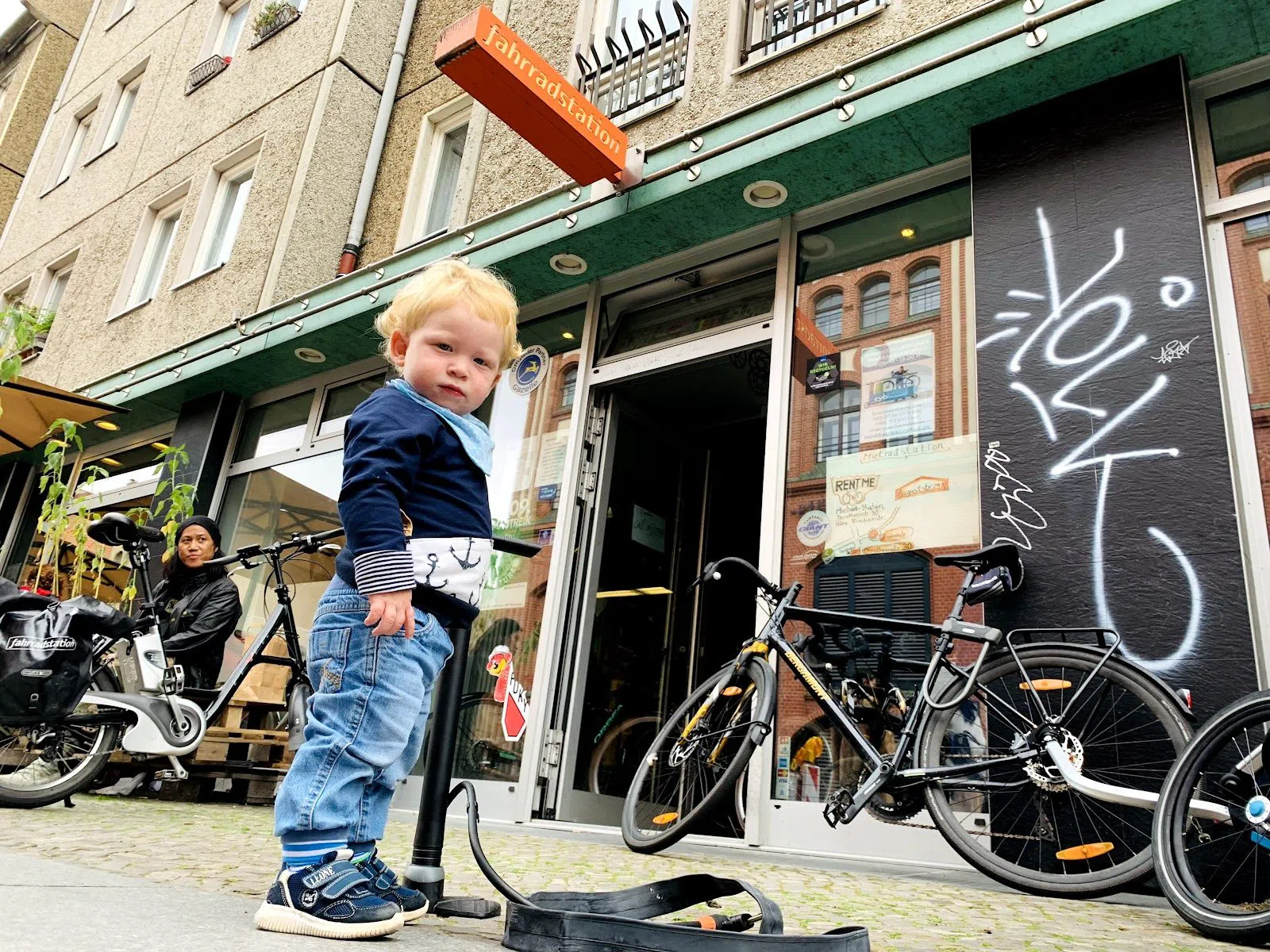
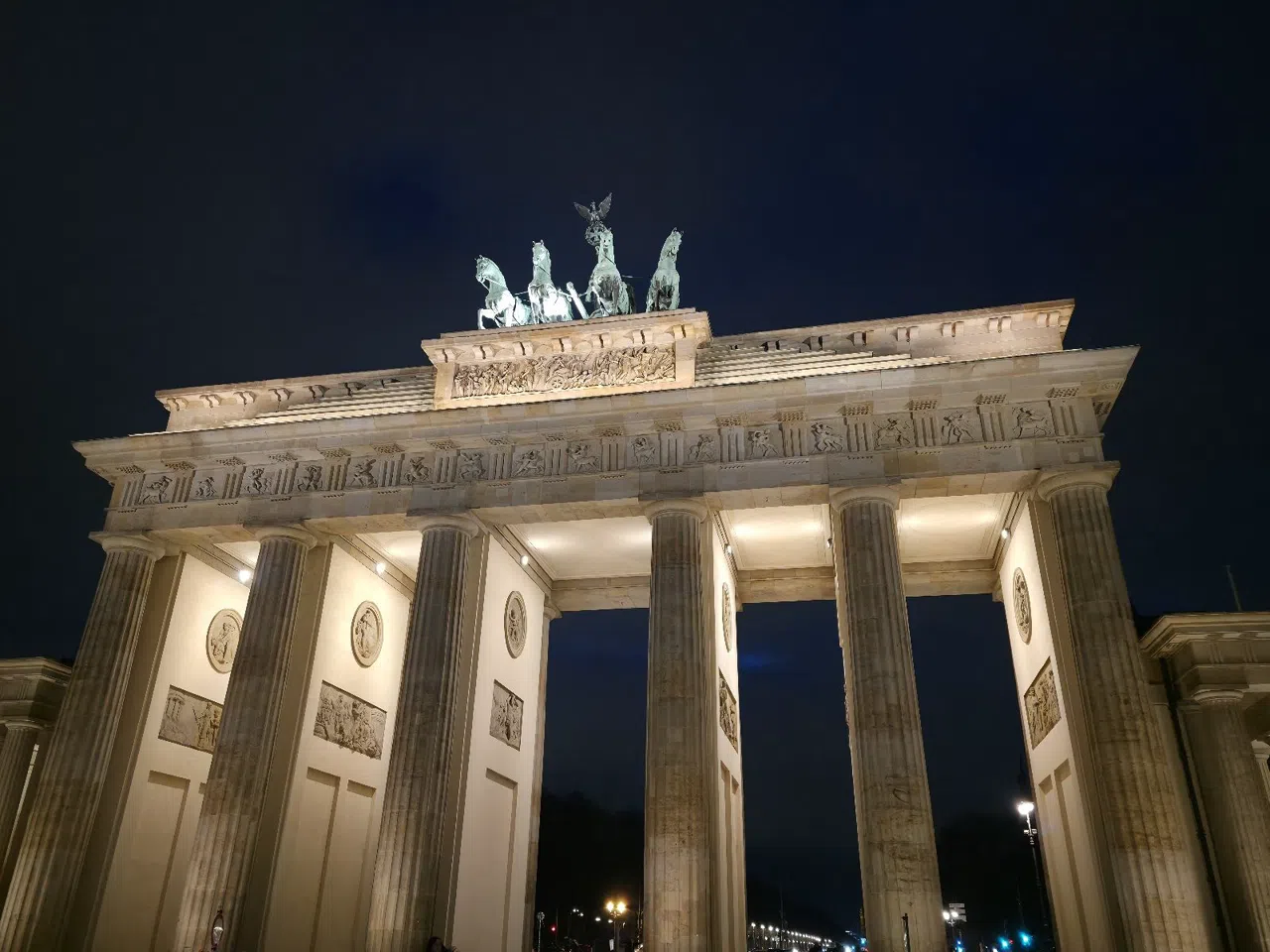
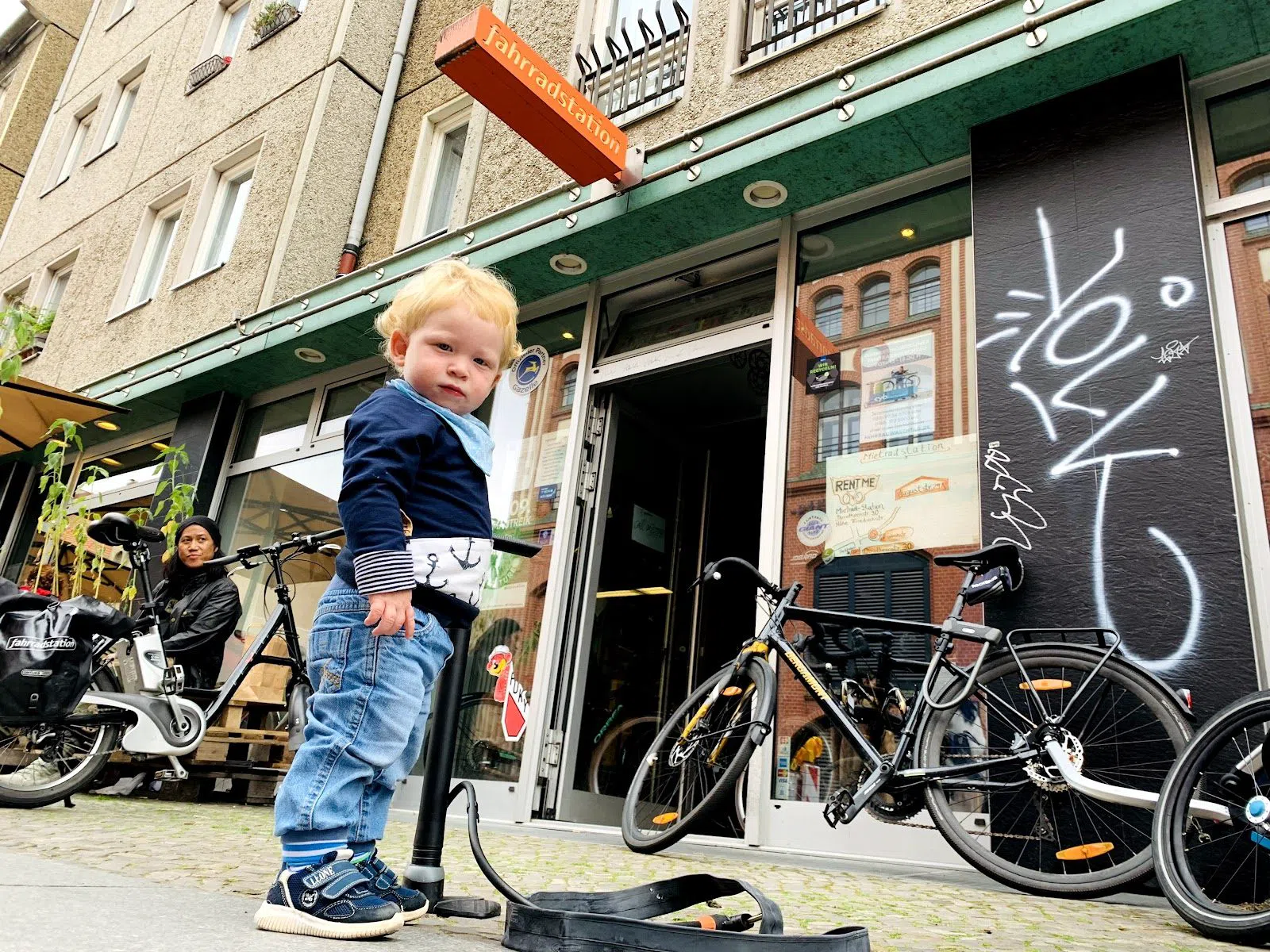
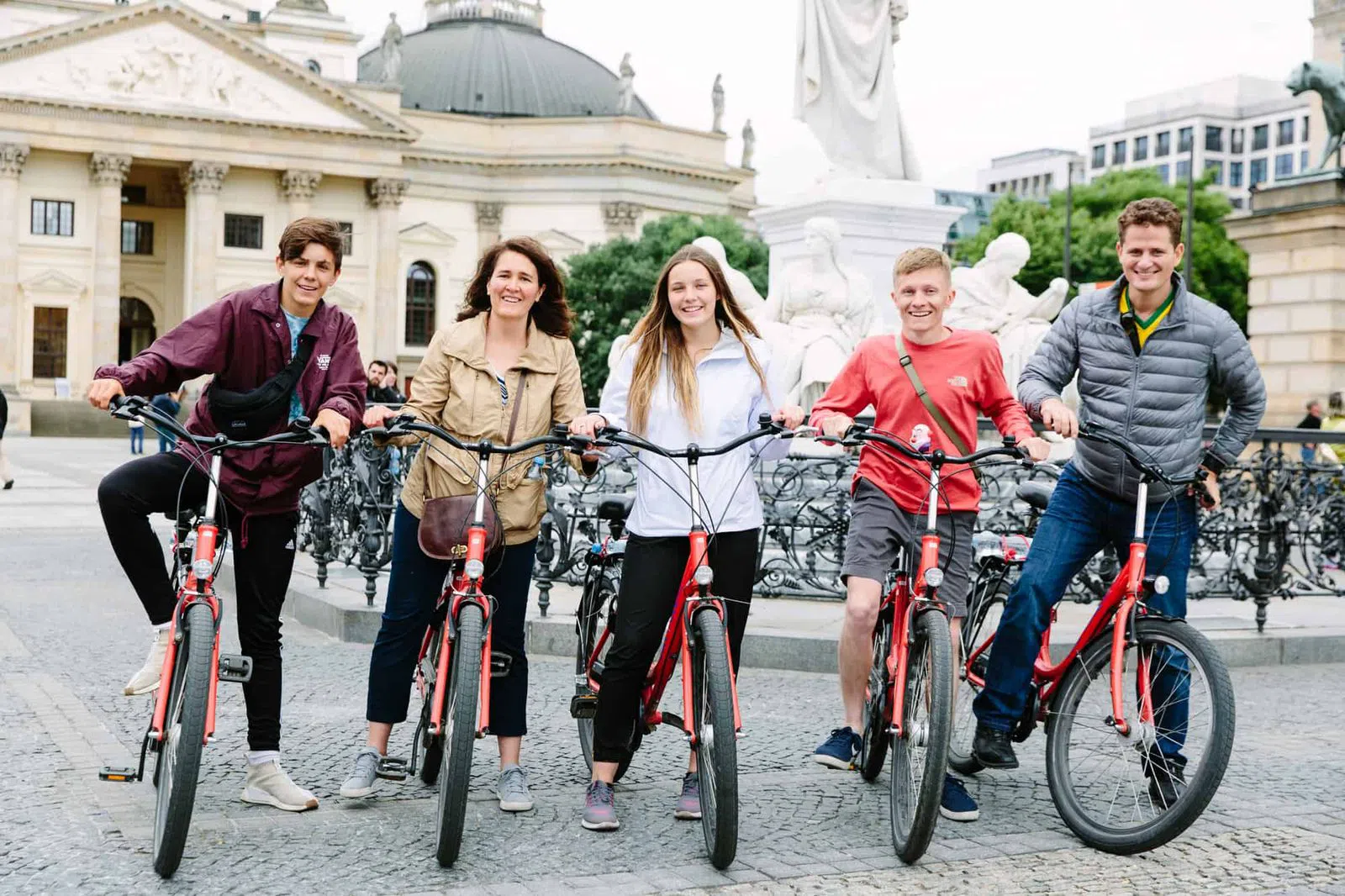
Fahrradstation Berlin (Dorotheenstraße, in Mitte, a few minutes from the Brandenburg Gate end of Unter den Linden) is the sensible default. It's a long-established chain, used by hotels and tour operators, with a fleet of around 200 bikes, so walk-ins usually work; ring ahead if there are six or more of you. Reckon on €15 to €20 a day for a city or trekking bike, with hourly, weekly and monthly rates if your plans are looser. Ask specifically for a trekking bike with proper gears. Say where you're going and they'll understand immediately.
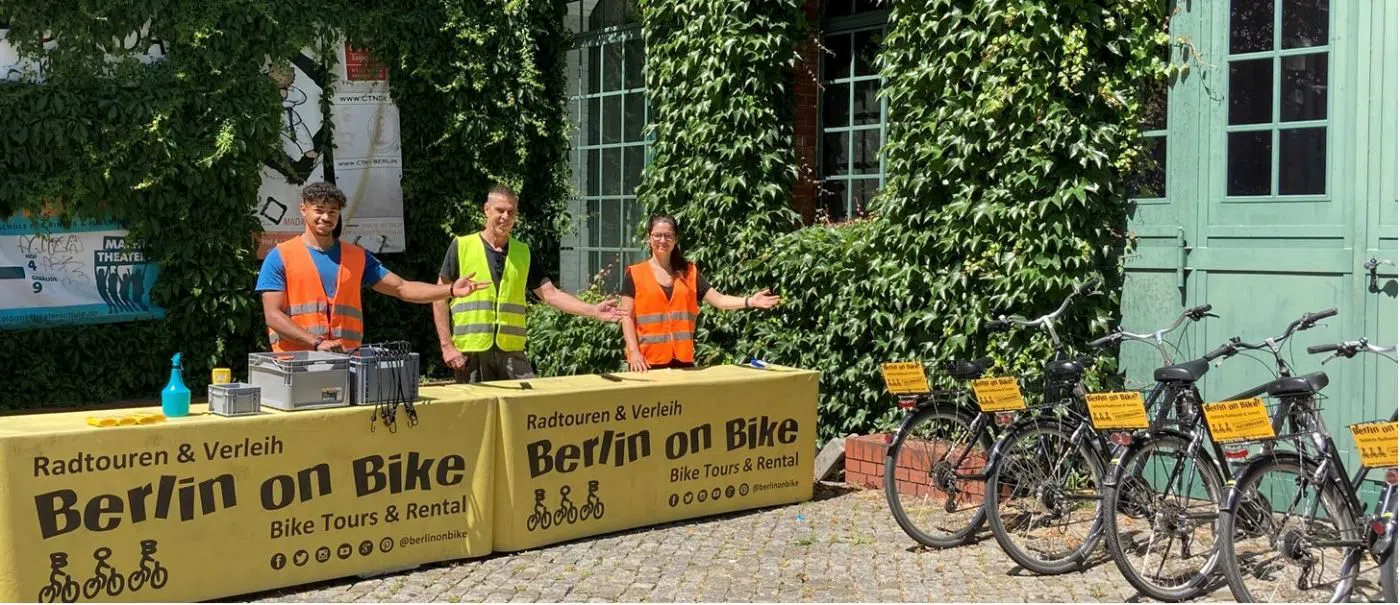
If anyone in the party is quietly worried about the distance, hire from Berlin on Bike (Prenzlauer Berg) instead. They keep 60-plus Bosch e-bikes with 500 Wh batteries, good for around 90 km in Tour mode, which covers the round trip with room to spare and removes the argument about who is holding whom up. Standard bikes start around €15 per 24 hours, e-bikes cost considerably more, and theft cover is €5 a day. They're set up for groups in a way most shops aren't: free cable locks, repair kits and safety vests for group hires, and guided departures split into pods of 10 to 15 riders per guide.
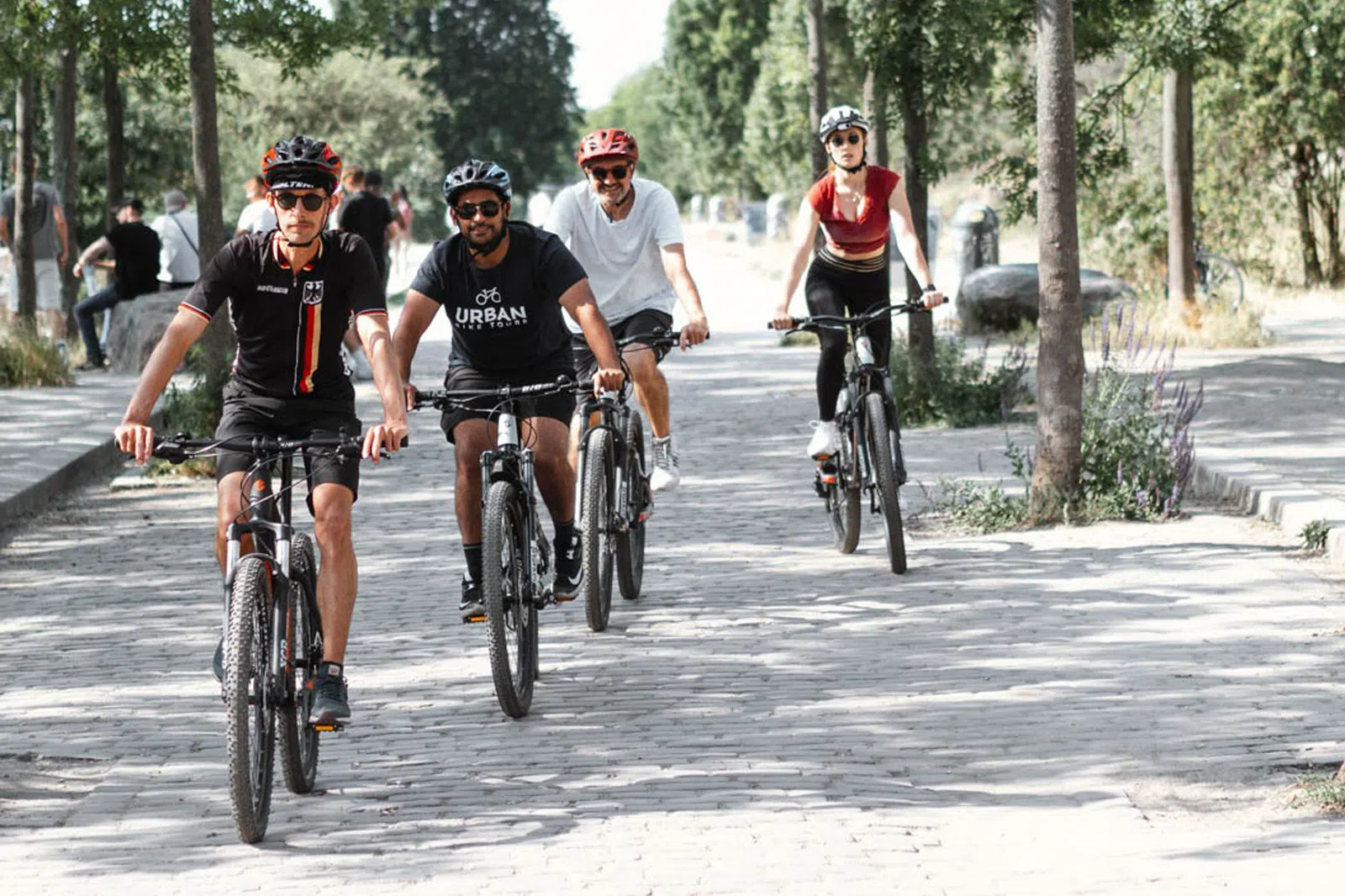
Urby Bike Berlin (Kastanienallee, Prenzlauer Berg) has the widest range of frame types, which matters if you want a gravel bike for the unsealed stretches along the water. Hire starts around €14 a day, e-bikes and specialty frames higher, and the shop is open daily 10:00 to 18:00. It used to trade as Urban Bike, or Bike Rental Berlin, at the same address; same place, current name is Urby. They run 2 to 6 hour team rides as well as plain hire, so a group booking is core business rather than an inconvenience.
Rent a Bike 44 is the cheap and charming option: a tiny operation, restored old bikes instead of showroom stock, no deposit, just your name and contact details, and about €6 a day. The staff size the frame to you properly, which is more than many larger shops bother with. It suits two or three friends. It is too small for a large group without warning, stock thins out on summer weekends, and it's a short walk from the nearest U-Bahn, worth factoring in if you're collecting bikes for several people.
Fat Tire Tours Berlin is the largest guided operator in the city, now under the Unlimited Biking umbrella but still trading under its own name, with multiple daily departures in season. Guided tours run roughly €35 to €50 per person and day rentals from about €20. The Potsdam run isn't the obvious thing to book a guide for, but a half-day city tour the day before is a good idea if you've never ridden in Berlin traffic. You learn how the cycle lanes work, where they vanish, and how right-turning cars behave, and then you ride out to the lakes with that already in your hands.
Plan your Berlin trip
Live prices from our booking partners.
Free cancellation on many rooms. We may earn a commission when you book.
Getting out of the centre without fighting traffic
The first hour out of Mitte is the least interesting part of the day, and there's no shame in skipping it. Take the S-Bahn to Wannsee with the bike, buy the bike ticket at the machine along with your own (a single bike ticket is around €2.70, a bike day ticket around €5.90), and start riding where the water starts. You'll still cover 20-odd kilometres of the good stuff and you'll arrive with a working appetite rather than a used-up morning.
If you do ride the whole way, aim southwest through the Grunewald instead of along any main road. The forest tracks are wide, well signed and shared with dog walkers and joggers, the surface is compact sand in places, and it's the reason to take gears and reasonably fat tyres. Leave early. In high summer the lakeside path near Wannsee is busy by eleven and properly crowded by two, and it's a nicer ride when you're not calling out ahead of you every hundred metres.
A swim at Strandbad Wannsee
Strandbad Wannsee (Wannsee) is the obvious stop on the outward leg and one of the biggest inland beaches in Europe, a long municipal lido with enough sand to absorb a party of any size without anyone feeling squeezed. A day ticket runs about €6.50 to €7.50, reduced around €4 to €5.50, under-fives free, and a family group day ticket exists if that fits your party. There's no door policy to speak of; it's a public bath.
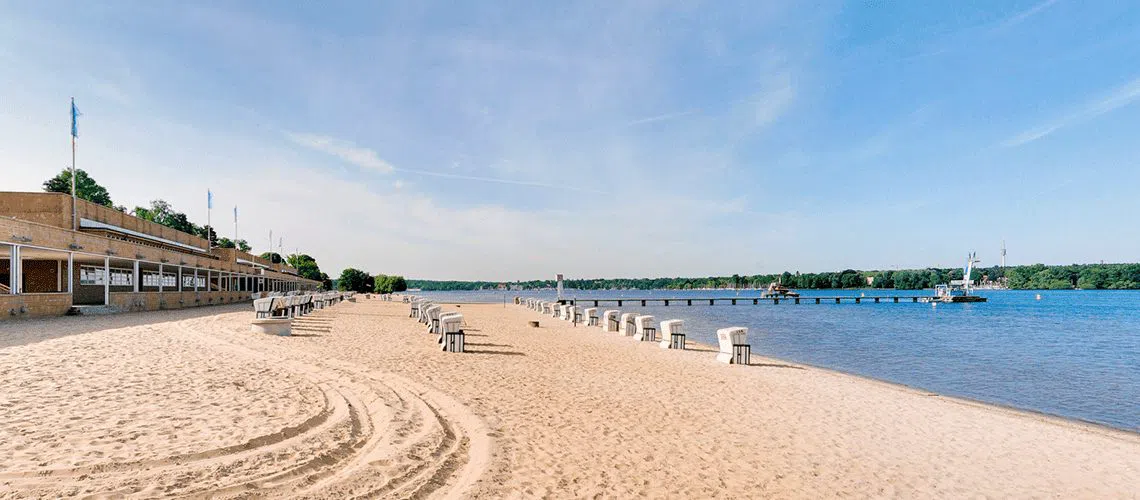
The timing rule is absolute, though. It's strictly a summer bath, and the 2026 season closes on 13 September. After that the gates are shut and you ride on past a very large fence. If a swim is the point of your day, go before the middle of September; if you're riding in October, plan the day around lunch and the parks instead.
The ferry that turns an out-and-back into a loop
The best trick on this route is the BVG Ferry F10 between Wannsee and Alt-Kladow. It's public transport, so it's covered by a normal AB ticket plus a bike ticket, and it crosses the lake in twenty minutes for the price of a bus fare. Used well, it turns a there-and-back slog into a proper circuit: ride out on one bank, come back on the other.
There's no door policy, but there is a hard limit: 60 bike spaces, and when the boat is full the crew's decision is final. On a hot Saturday that means a group of ten should expect to split across two sailings and agree a meeting point on the far bank before anyone boards. Check the timetable before you commit to the western side. Sailings run to roughly 21:00 in summer, but only to 17:00 on winter Sundays, and being on the wrong bank after the last boat means a long, dull ride around.
Lunch in the woods above the Havel
The Berlin bank has the two best lunches on the route, and both keep the same rest days, so check before you set off midweek.
Blockhaus Nikolskoe (Nikolskoe, in the woods above the Havel) was built in 1819 as a Russian-style gift from the Prussian king to his daughter, and the terrace view over the water is the reward for the one real climb of the day. Mains run roughly €20 to €30. It works for groups (event rooms, catering, and set Hutessen dinners for parties of 4 to 18), but book ahead for anything beyond a handful of people. It's closed Mondays and Tuesdays, and the kitchen stops half an hour before the doors do, which catches out plenty of late-afternoon riders.
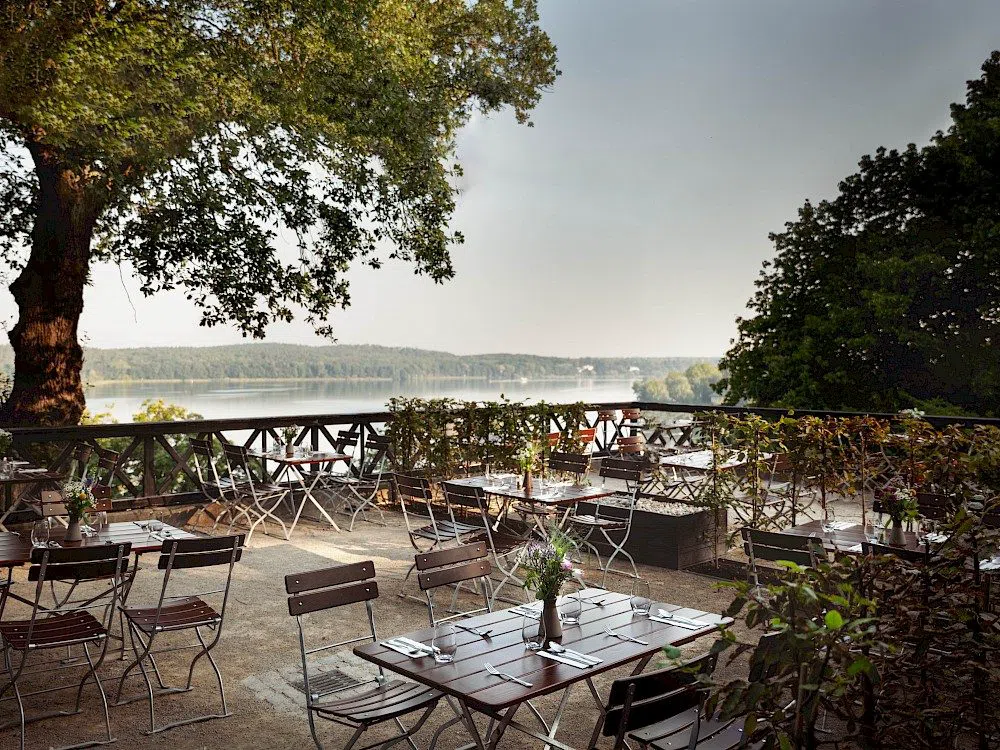
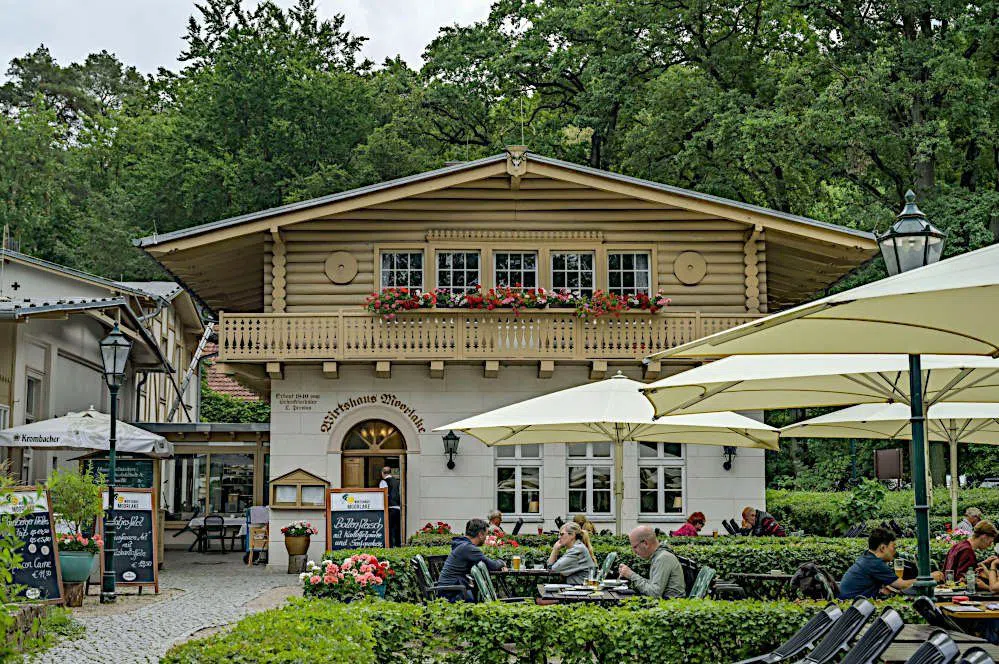
Wirtshaus Moorlake (Moorlake, a few minutes further along the same wooded bank) is the more atmospheric of the two: a former royal hunting lodge with a big beer garden right on the water. Mains are roughly €18 to €28, beer garden prices lower, and the garden takes walk-in groups easily while the indoor rooms take bookings for parties. Same rest days, Monday and Tuesday, and hours shift with the season, so ring ahead if you're riding out in the middle of the week instead of turning up hopeful.
Pfaueninsel and the bikes you stay off
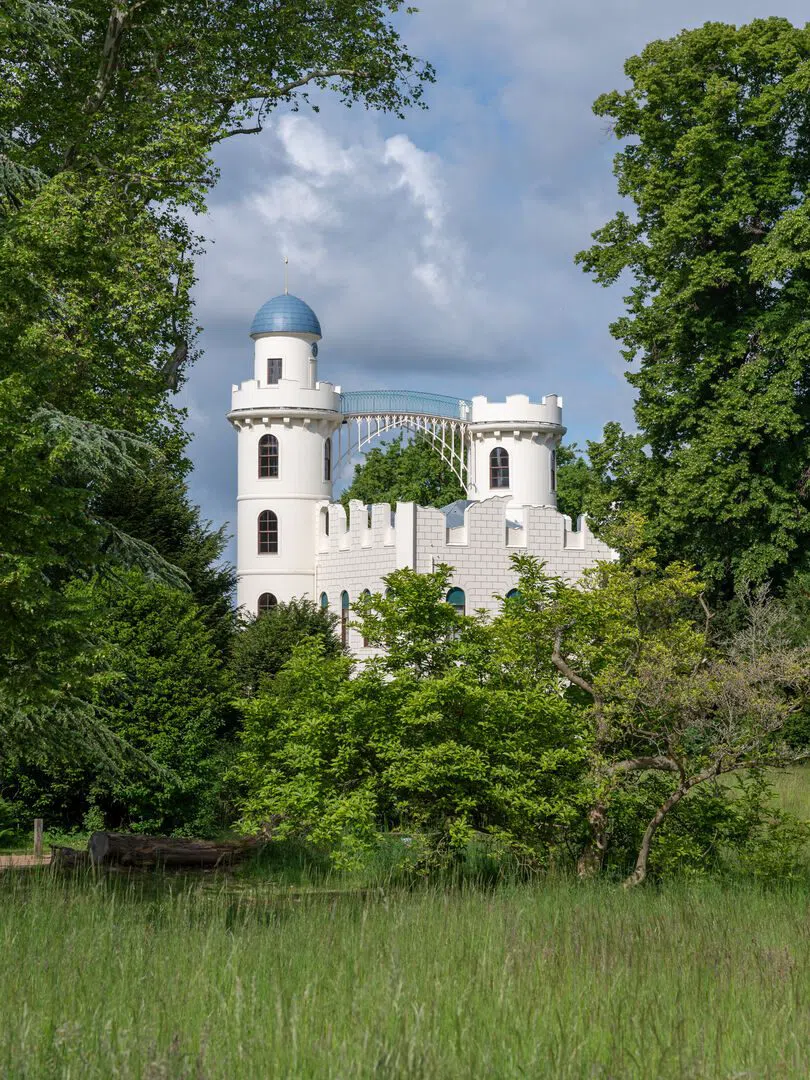
Pfaueninsel (Peacock Island, off the Havel's western shore near Nikolskoe) is worth the detour, but you cross it on foot. Bikes stay on the mainland. The little ferry costs about €6 for adults, €5 reduced, €12 for a family card, and its capacity is small, so a large group crosses in waves rather than together.
The palace reopened in May 2025 after seven years and a €7.5 million restoration, which makes the interiors new to almost everyone. They're guided-tour only, with same-day tickets sold at the ferry house, and they often sell out by early afternoon. If the palace matters to you, put the island early in the day and lunch after it, rather than the other way round.
Crossing the bridge into Potsdam
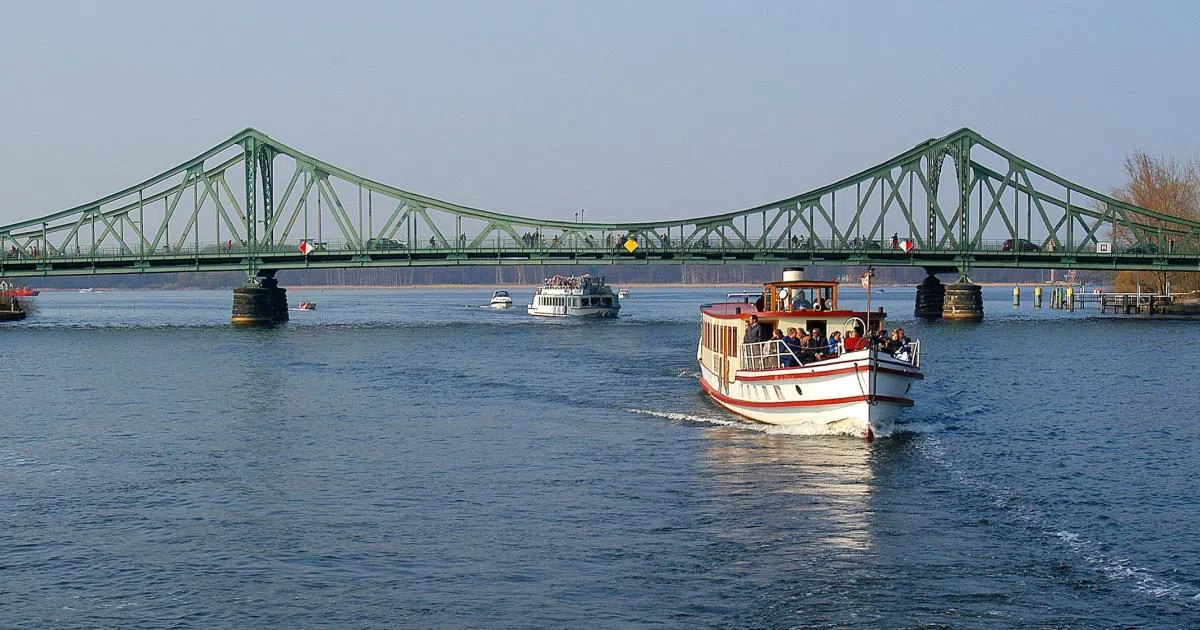
Glienicker Brücke is where the day turns. It's a public road bridge with a cycle route across it, free, no restriction, and the exact point where Berlin ends under your wheels. It's also the Cold War spy-swap bridge, which means in summer you'll be threading past people taking photographs in the middle of the deck. It occasionally closes to cars for events or roadworks; cyclists are normally walked or ridden through rather than turned back, but it's worth a glance at the far end before you build the whole ride around it.
Beer, park and palace at the far end
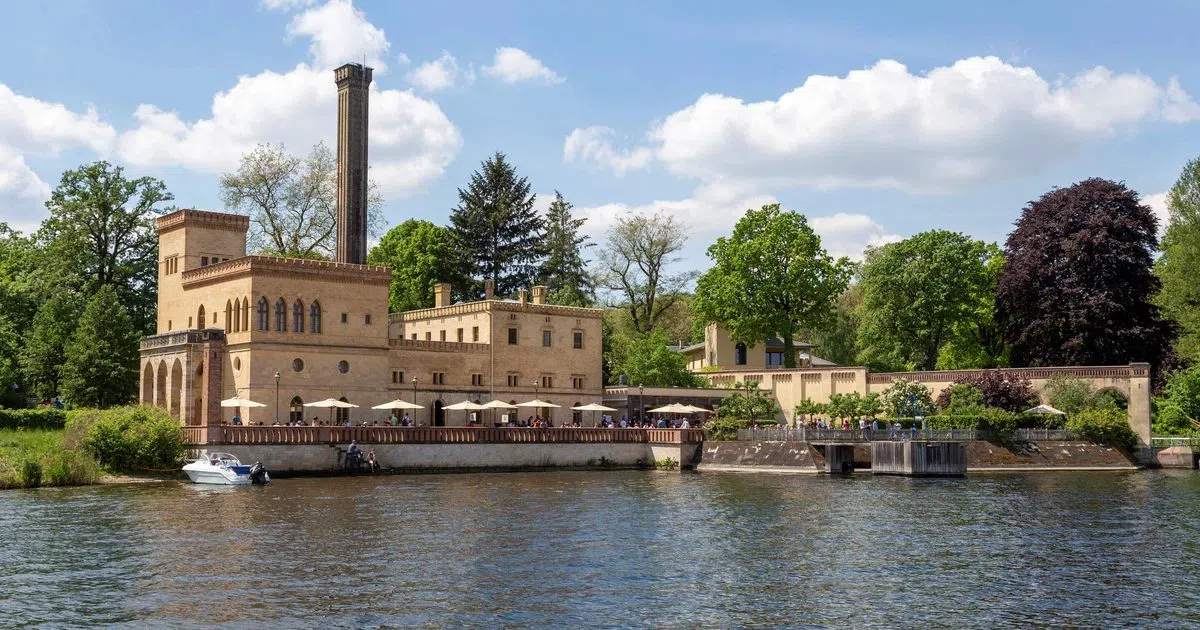
Meierei im Neuen Garten (Neuer Garten, a short roll from the bridge) is the best-placed pint on the route. It was a ruin from 1945 until it reopened as a brewpub in 2003, and it now pours unfiltered house beer with the water and the Königswald in front of you. Capacity is large, around 200 seats indoors and 200 more outside, so groups are absorbed without drama, though weekends warrant a reservation for a big party. Mains run roughly €12 to €20 and house beers around €4 to €5. The nearby Cecilienhof palace has been shut for renovation since November 2024, but the Neuer Garten around it is open as ever.
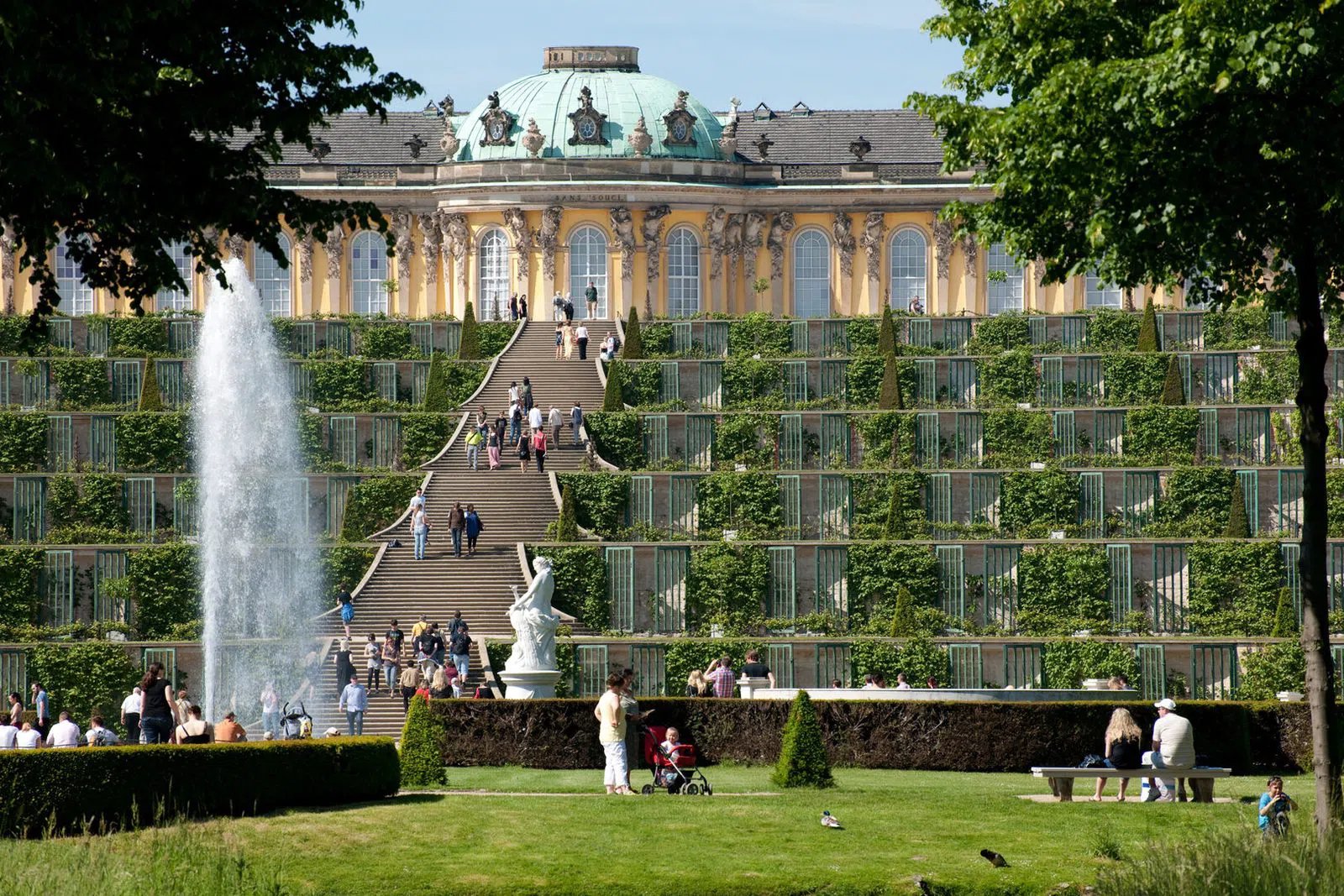
Park Sanssouci is the end of the line and the reason most people ride at all. The park is open access with a voluntary park ticket of around €2; palace admission is about €14, or roughly €24 for the combined sanssouci+ ticket. Entry to the palace is by timed slot with limited daily tickets, so a group has to book online in advance. Turning up with six people and hoping is how the afternoon gets wasted. The palace is open Tuesday to Sunday and closed Mondays. Cycling is only allowed on marked routes through the park, so expect to push the bike for the final stretch, past the vineyard terraces, like everyone else.
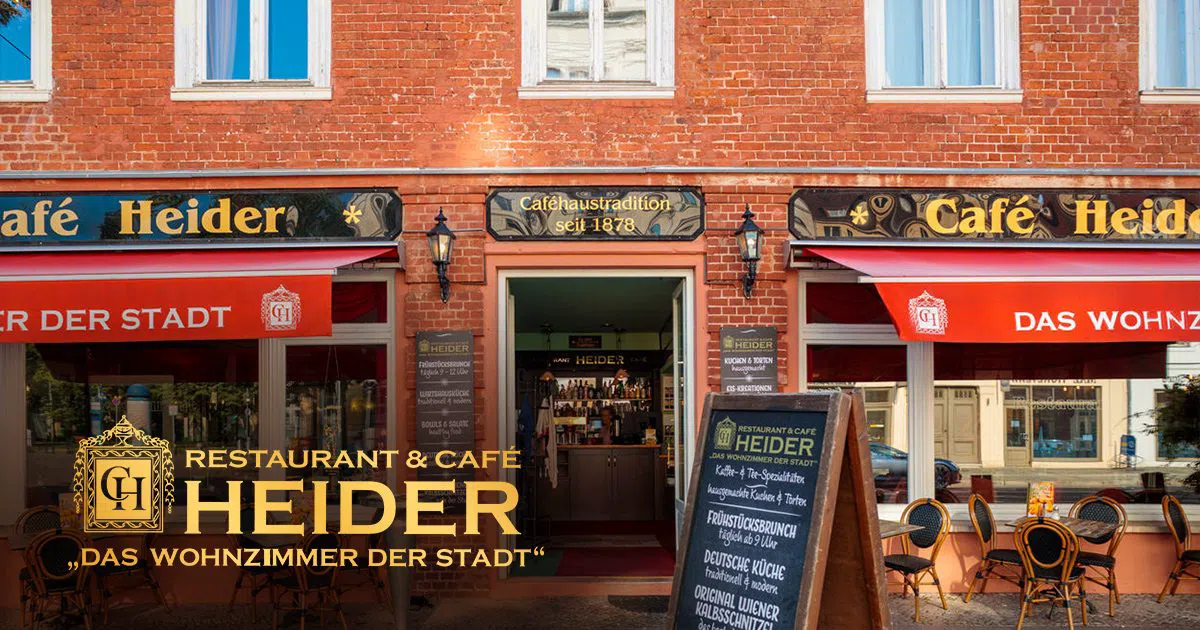
Café Heider (at the Nauener Tor, at the top of the Dutch Quarter's brick streets) has been trading since 1878 and roasts its own coffee and bakes its own bread. Breakfast runs roughly €10 to €16, cakes and coffee less, and it's open daily 9:00 to 21:00. The terrace is large and walk-in groups are usually fine outside the peak lunch hour; reservations are taken if you'd rather not gamble. It's the natural last stop before you decide whether you're riding home or catching the train.
The quiet way back to the train
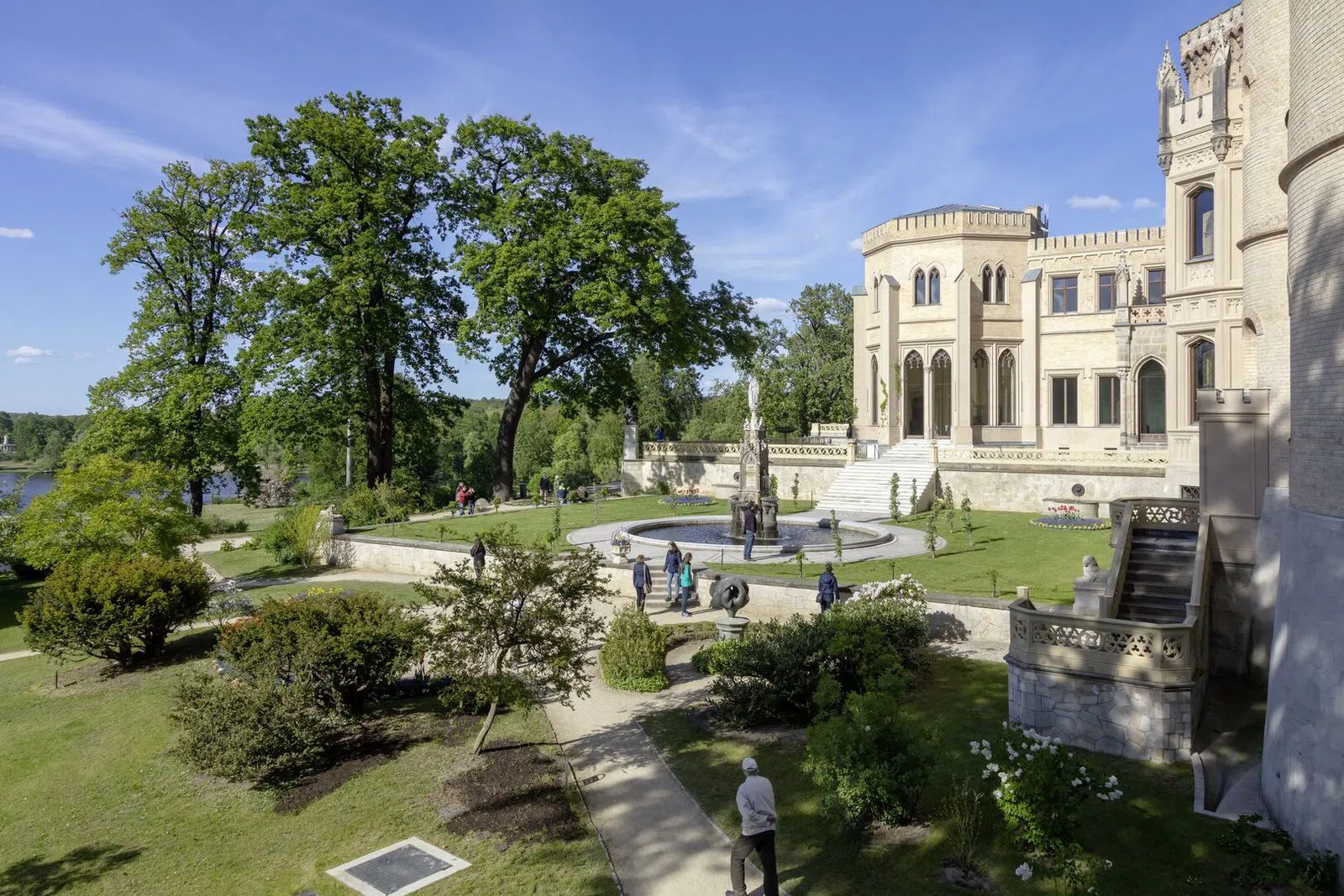
Retracing the Havel at the end of a long day is honest work but not much fun. The better return is through Park Babelsberg (Babelsberg), a free landscape park with no restrictions, rolling gently down towards Griebnitzsee and the S7. The palace itself is closed for interior restoration and shows only a small display, and the path between Havelhaus and Mühlentor is under construction with a signed detour, so follow the signs and not your map.
pedales – Rad- und Paddelstation Griebnitzsee is both the escape hatch and the shortcut, and it's open year-round rather than seasonally. Hire in Berlin, ride out, drop the bike here and take the train back with nothing to carry. Or work it the other way: take the S7 out first thing, hire here, and ride only the pretty half. City bikes are roughly €12 to €18 a day, with e-bikes, tandems and cargo bikes available, 25% off with the Berlin WelcomeCard, and €2 per bike to drop off at their other branch by the main station. No booking is needed for under five bikes; five or more, phone ahead.
Riding this as a group
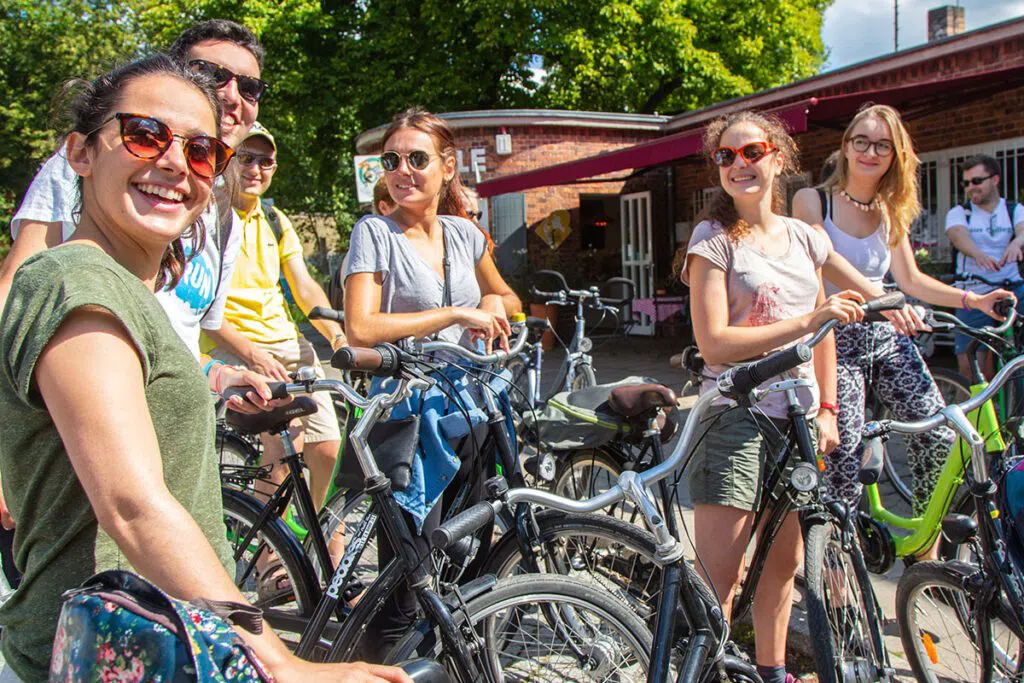
Nothing on this route has a door policy in the nightlife sense, but four things have hard capacity: the F10's 60 bike spaces, the Pfaueninsel ferry, the timed palace slots at Sanssouci, and the small rental shops on a hot weekend. Everything else (the beer gardens, the lido, the parks, the bridge) swallows a group without noticing.
For a couple, the ideal shape is loose: hire cheap, swim, eat on the water, cross the bridge, train home when you've had enough. For six or more, the day needs one person doing twenty minutes of admin the night before: bikes reserved, palace slots booked if you want the interiors, a lunch table held, and a plan for splitting across two ferry sailings. E-bikes even out a mixed group, and the strongest rider setting the pace is how these days go wrong.
Practical notes for the day
An AB ticket covers Berlin including Wannsee and the F10 ferry; Potsdam sits in zone C, so buy ABC if you're training in either direction. Add a bike ticket every time the bike boards anything, around €2.70 single, around €5.90 for the day. The S1 serves Wannsee, the S7 serves Griebnitzsee and Potsdam.
Carry cash. Rental shops and restaurants generally take cards, but kiosks, the lido and small counters in the parks are less predictable, and you don't want to be the person at the ferry house without coins.
Allow eight to ten hours door to door if you ride both ways, five or six if you train one leg. Leave by nine in summer. Check the last F10 sailing before you cross, and remember the Monday and Tuesday rest days at both the Nikolskoe and Moorlake kitchens, the Monday closure at the Sanssouci palace, and the 13 September 2026 end of the Strandbad season.
A frugal day is about €6 to €15 on the bike, €6.50 for the lido, a few euros in ferry and bike tickets and a beer-garden lunch: call it €40. Add an e-bike, the palace ticket and a proper sit-down meal above the Havel and it's closer to €90 a head. Neither version needs a car.
If you're building the trip around this ride, staying in the centre keeps the rental shops and the S-Bahn within a few minutes of the door. Start with the Berlin hotel search, and see the full Berlin guide for what to do with the days either side.
Before you go
How far is the bike ride from Berlin to Potsdam?
Roughly 35 to 40 km each way from central Mitte, so 70 to 80 km if you ride both directions. It is flat apart from one real climb up to the terrace at Blockhaus Nikolskoe. Most people ride out and take the S7 back from Griebnitzsee, which makes it a comfortable half-day rather than a long one.
Do I need an e-bike, or will a normal rental do?
A geared trekking bike is fine for anyone who rides occasionally, and it is worth asking for one specifically, because a single-speed city bike will be miserable on the sandy forest sections and the climb. If your group has mixed fitness, hire e-bikes from Berlin on Bike; their 500 Wh Bosch bikes are good for around 90 km in Tour mode, which covers the round trip with spare range.
Can I take a rental bike on the S-Bahn and the ferry?
Yes. Bikes travel on the S-Bahn and on the BVG Ferry F10 with a bicycle ticket in addition to your own, around €2.70 for a single and around €5.90 for a day. The ferry has 60 bike spaces and the crew closes boarding when it is full, so on a summer weekend a large group should plan to split across two sailings.
Where can I drop the bike off in Potsdam instead of riding back?
pedales Rad- und Paddelstation Griebnitzsee takes drop-offs and is open year-round, with a second branch at Potsdam Hauptbahnhof and a €2 fee per bike to leave it at the other station. That only works for bikes hired from pedales; if you rented in Berlin, ride to Griebnitzsee and take the S7 back with the bike on a bicycle ticket.
Do I need to book anything in advance for this day?
Book Park Sanssouci palace tickets online if you want to see the interiors: entry is by timed slot with limited daily tickets, and it is closed Mondays. Pfaueninsel palace tours are same-day only, sold at the ferry house, and often gone by early afternoon. Reserve tables at Blockhaus Nikolskoe or Wirtshaus Moorlake for groups, and note that both rest on Mondays and Tuesdays.