The Berlin issue
What Four Days in Berlin Really Costs in 2026
Four days of transport, currywurst, museums, beer gardens and one very uncertain club door, priced line by line in 2026 euros.
By Robin van der MeerThe slow way through a fast city
Berlin does not hide what it charges you, which is why you can budget it honestly before you land. Under the elevated U2 viaduct at Eberswalder Straße a sausage still costs €1.70, a half-litre of beer in the city's oldest beer garden costs €5.20, and the best view in the city costs nothing at all, provided you remembered to register for it two or three months ago. Four days here is not an expensive trip unless you make a few specific decisions that turn it into one.
The one ticket that carries the whole trip
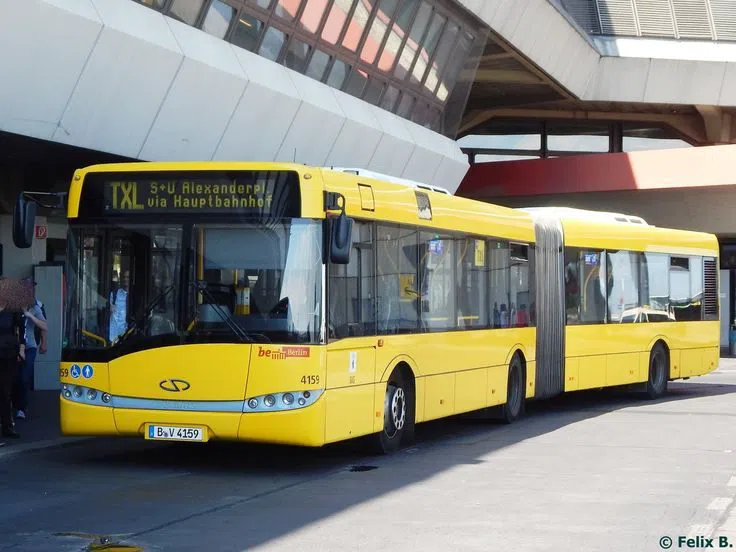
Everything in a Berlin budget hangs off BVG (Berliner Verkehrsbetriebe, city-wide: U-Bahn, S-Bahn, tram, bus and most ferries on the same ticket). Fares rose by roughly 6% on 1 January 2026, so a single AB ticket is now €4.00 and a 24-hour AB ticket €11.20. The more useful change is structural. The old calendar-day Tageskarte expired at midnight no matter when you bought it; it has been replaced by a true 24-hours-from-validation ticket, so one stamped at 11am on Tuesday is still valid for the Wednesday morning run to a museum. That removes the trap that used to make day tickets bad value for anyone arriving in the afternoon.
Three journeys in a day cost €12.00 as singles, so the 24-hour ticket pays for itself on the third ride and everything after that is free. In Berlin you will make the third ride. The districts are genuinely far apart (the walk from Kreuzberg to Prenzlauer Berg is not something you do twice in one evening), so cluster each day into one or two districts and use the network only to jump between them.
Four consecutive 24-hour tickets come to €44.80 per person for the whole trip, less than a single airport taxi. If you are five or more, compare the AB 24-hour Small Group ticket, which covers up to five people on one ticket; above five you travel on individual tickets, and there is no group limit on the network itself. This is the only number in a Berlin budget that touches every single day, so get it right.
Plan your Berlin trip
Live prices from our booking partners.
Free cancellation on many rooms. We may earn a commission when you book.
Eating well for the price of a coffee somewhere else
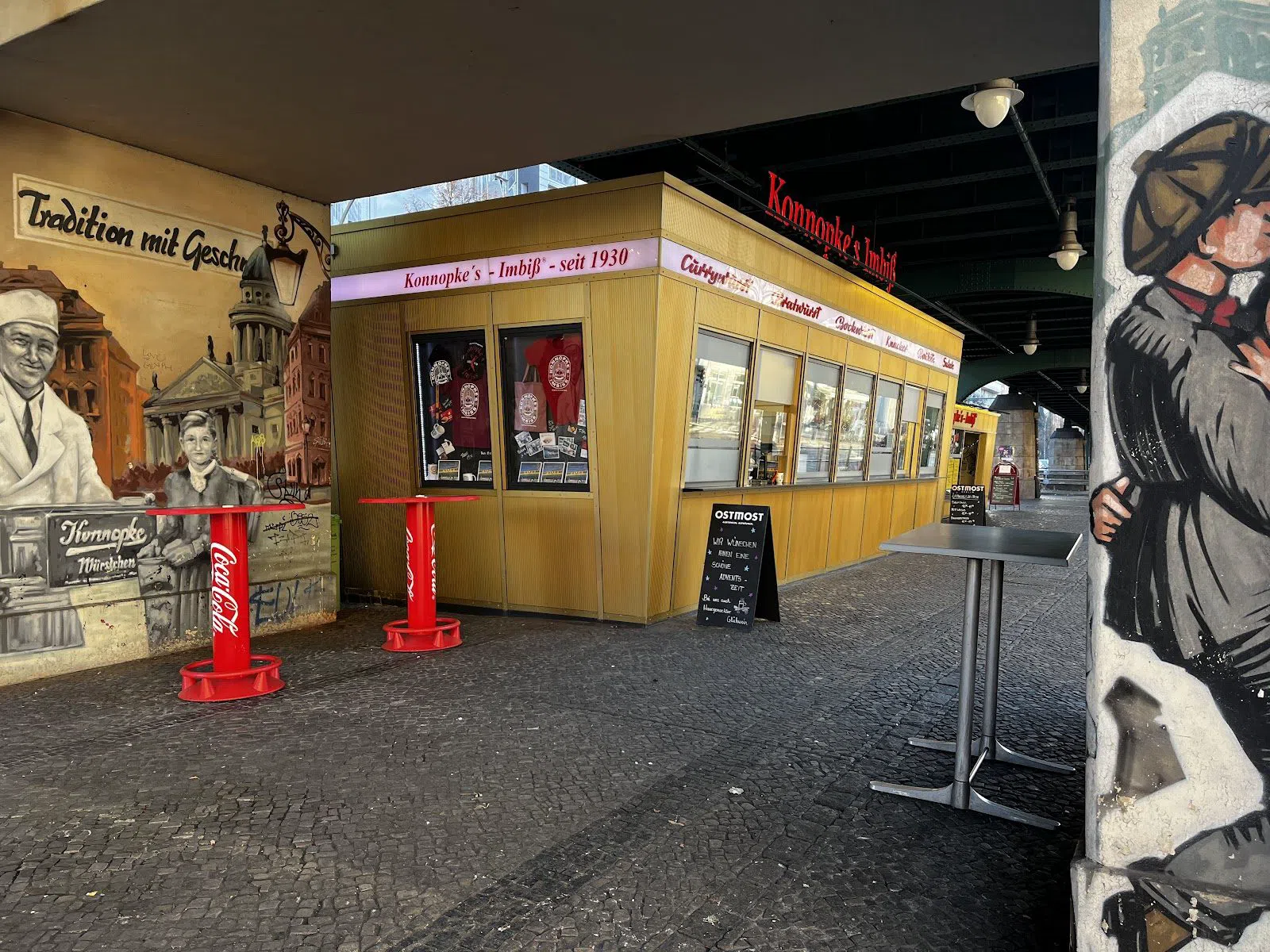
The floor of any Berlin food budget is Konnopke's Imbiss (Prenzlauer Berg, directly under the U2 tracks at Eberswalder Straße), a kiosk that has traded from this corner since 1930 and served the first currywurst in East Berlin in 1960. A currywurst starts at €1.70; with chips you are looking at around €3.10 to €3.50. It is a hatch with standing tables, which works for a group as long as everyone accepts they will eat scattered across the pavement. The clock matters more than the address here: it shuts at 8pm on weekdays, 7pm on Saturday, and does not open on Sunday.
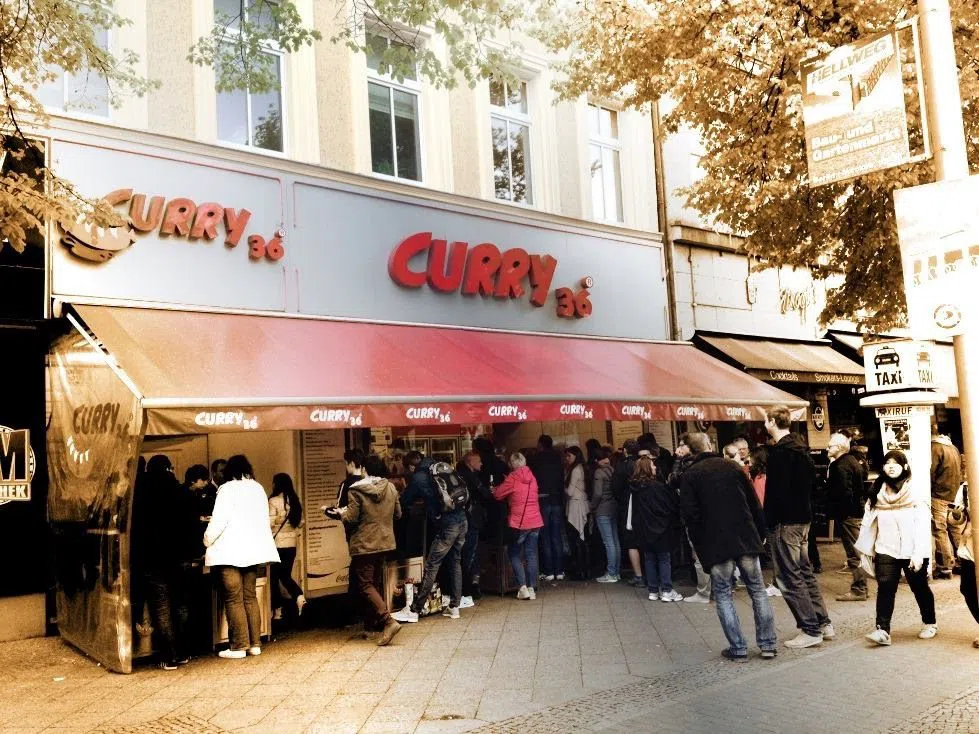
Across the city, Curry 36 (Kreuzberg, on Mehringdamm) does the same job on a different schedule: €2.60 to €3.40 for the wurst, roughly €5 to €6 with chips, open from 9am to 5am daily. Those hours are the reason a Berlin night out costs less than the same night west of here. The meal that ends the evening is under six euros and it is still being served when the trams have restarted. The queue looks alarming and moves fast.
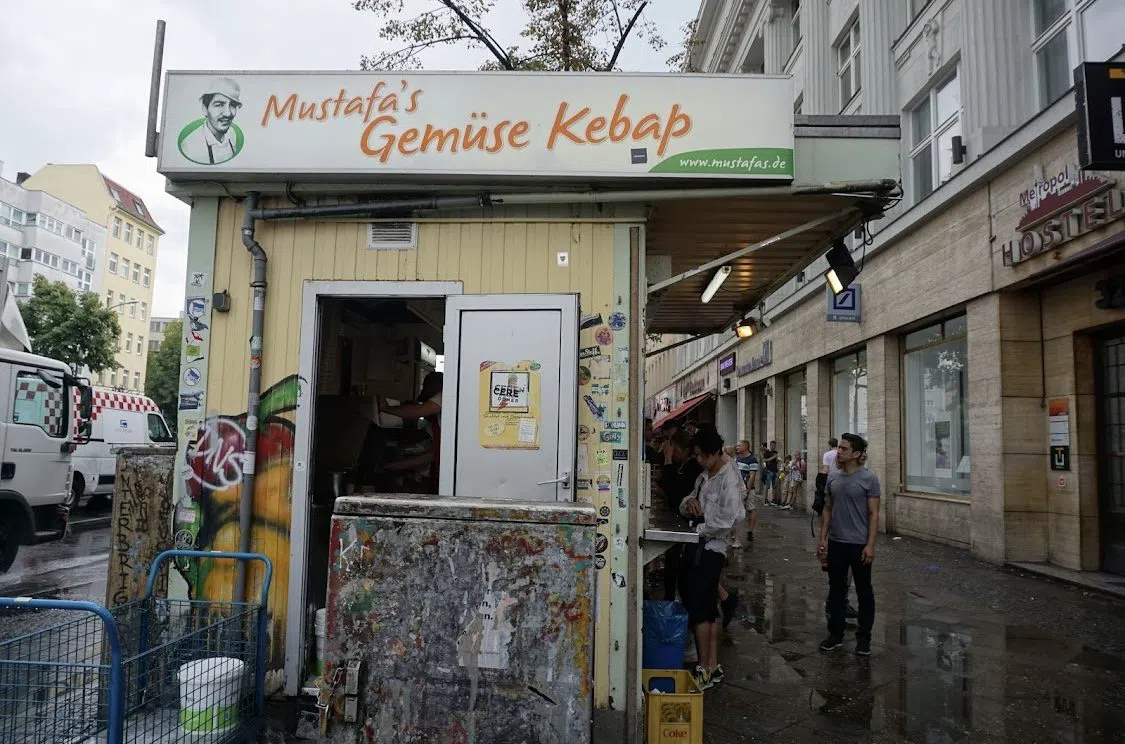
A hundred metres away, Mustafa's Gemüse Kebap (Kreuzberg, Mehringdamm 33) sells the chicken-and-vegetable kebab that people queue absurdly long for, at roughly €7 to €9. Two practical notes. It moved across the road from its old Mehringdamm 32 address, so use the current one. And it is take-away only, with no seating and no bookings, so a group of six queues as six individuals and eats standing on the pavement or carries it into the surrounding Bergmannkiez streets. You pay in waiting more than in euros, which makes an odd hour better than 8pm every time.
For a meal that also functions as an evening, Markthalle Neun (Kreuzberg, Eisenbahnstraße) is the best value in the city. Plates run €5 to €12 and drinks €4 to €6, and Street Food Thursday (17:00 to 22:00, running since 2013) sends everyone in a group to a different stall to reconvene at a communal bench. There are no reservations and no minimum spend, and nobody waits for the slowest orderer. On weekday market days it is quieter and works as a cheap lunch instead of a night out.
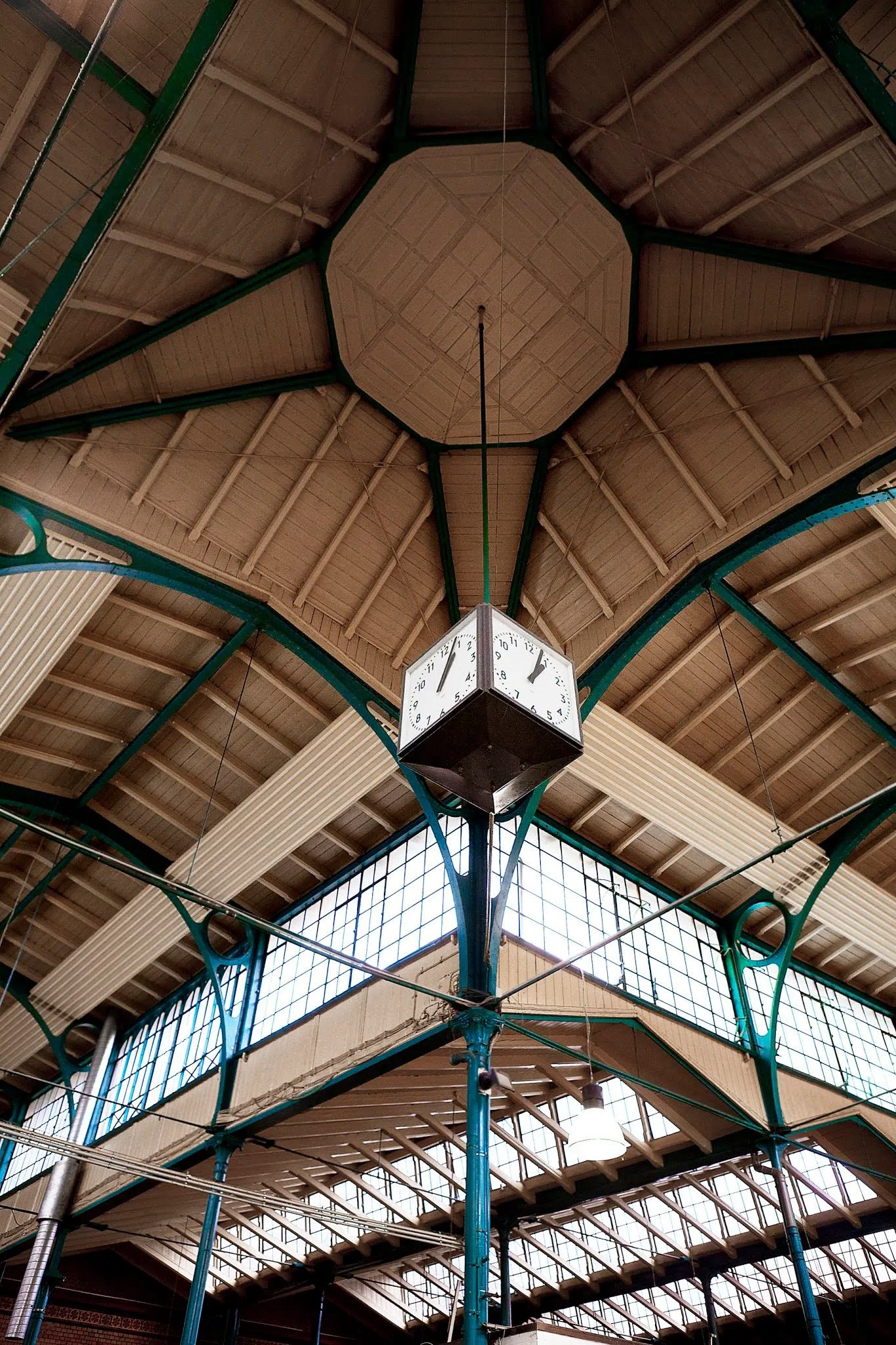
Budget €20 to €25 a day if you eat like this, and you will not feel you have economised.
The sit-down dinners that anchor the budget
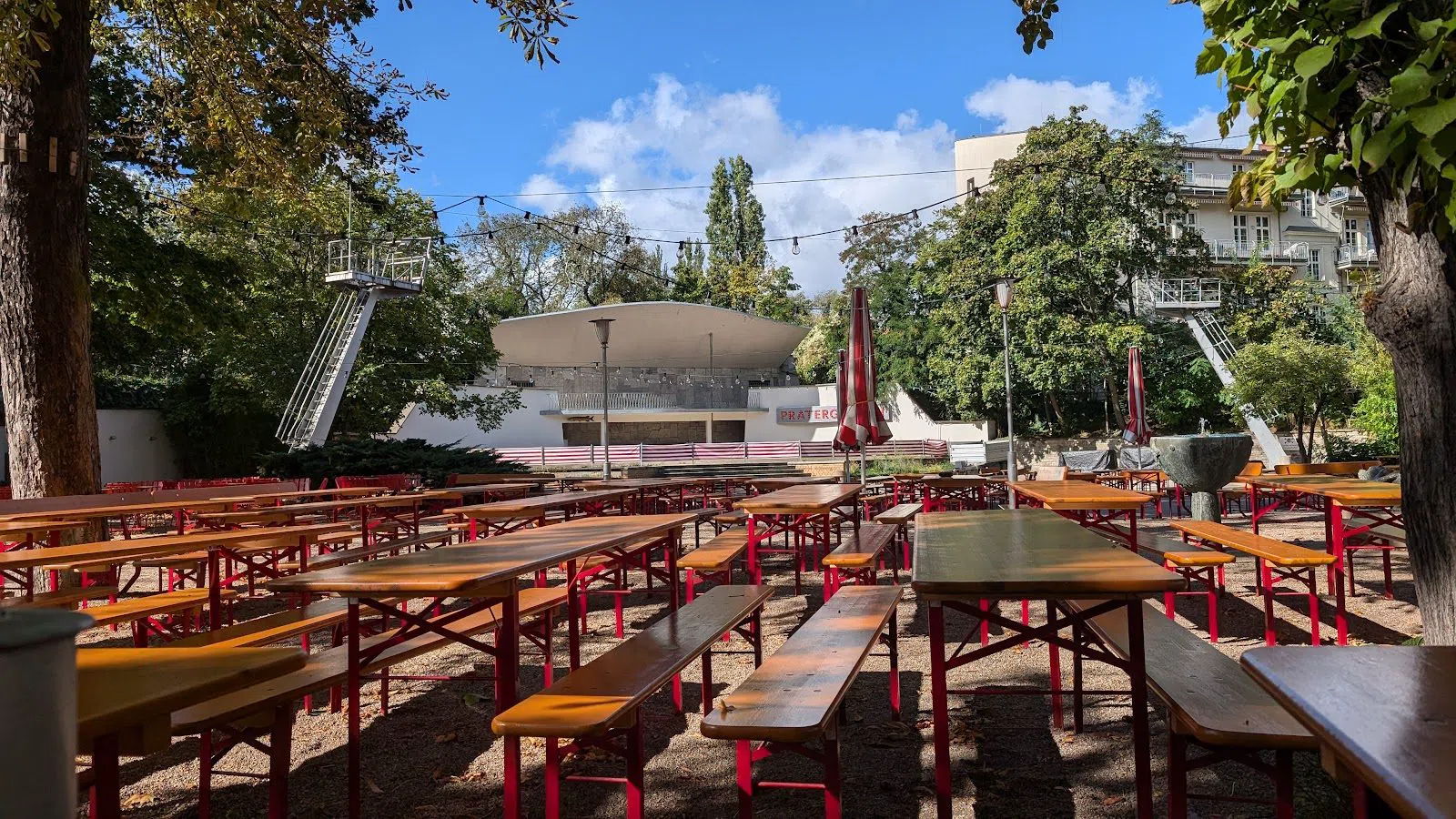
At some point you will want a chair and a table. Prater Garten (Prenzlauer Berg, Kastanienallee) has been Berlin's oldest beer garden since 1837 and shows what a full evening actually costs: house Prater Hell 0.5L at €5.20 plus a €2 refundable glass deposit, Bulette with potato salad at €9.90, Flammkuchen under €7. The garden is self-service with long shared benches and takes no bookings, which makes it the easiest place in the city to sit ten people down without warning. When October turns wet, the indoor restaurant (Monday to Saturday from 5pm, Sunday from noon) takes reservations for larger tables and saves the evening.
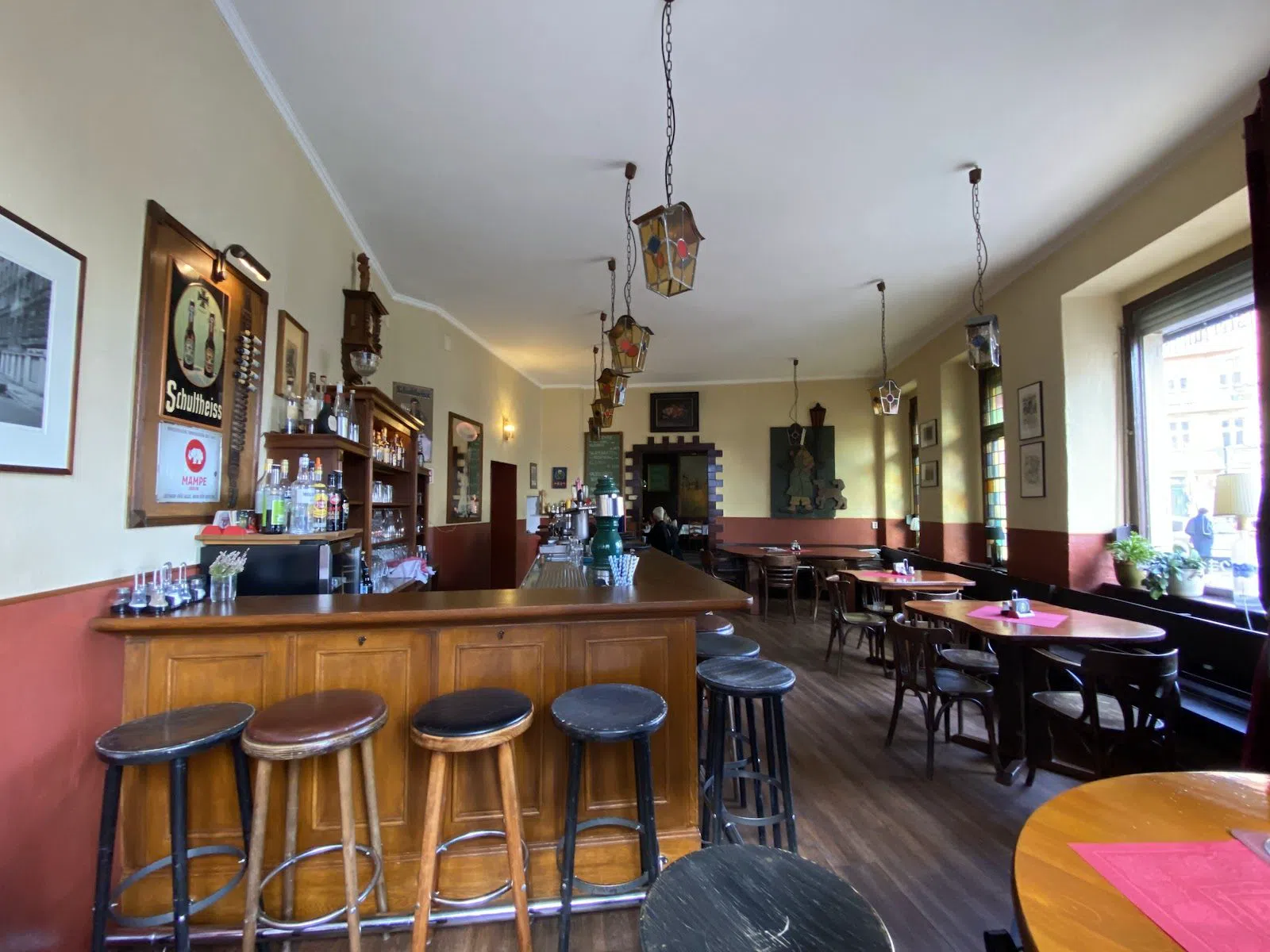
For the proper version of German dinner, Zum Schusterjungen (Prenzlauer Berg) is one of the last genuine Alt-Berliner corner pubs after nearly a century, doing Sauerbraten, Eisbein and Königsberger Klopse for roughly €12 to €20 a main. That range is the benchmark for a sit-down German dinner in Berlin, and everything above it is a choice rather than a requirement. It is small and popular; phone ahead for anything above four people, and do not bring a party of ten.
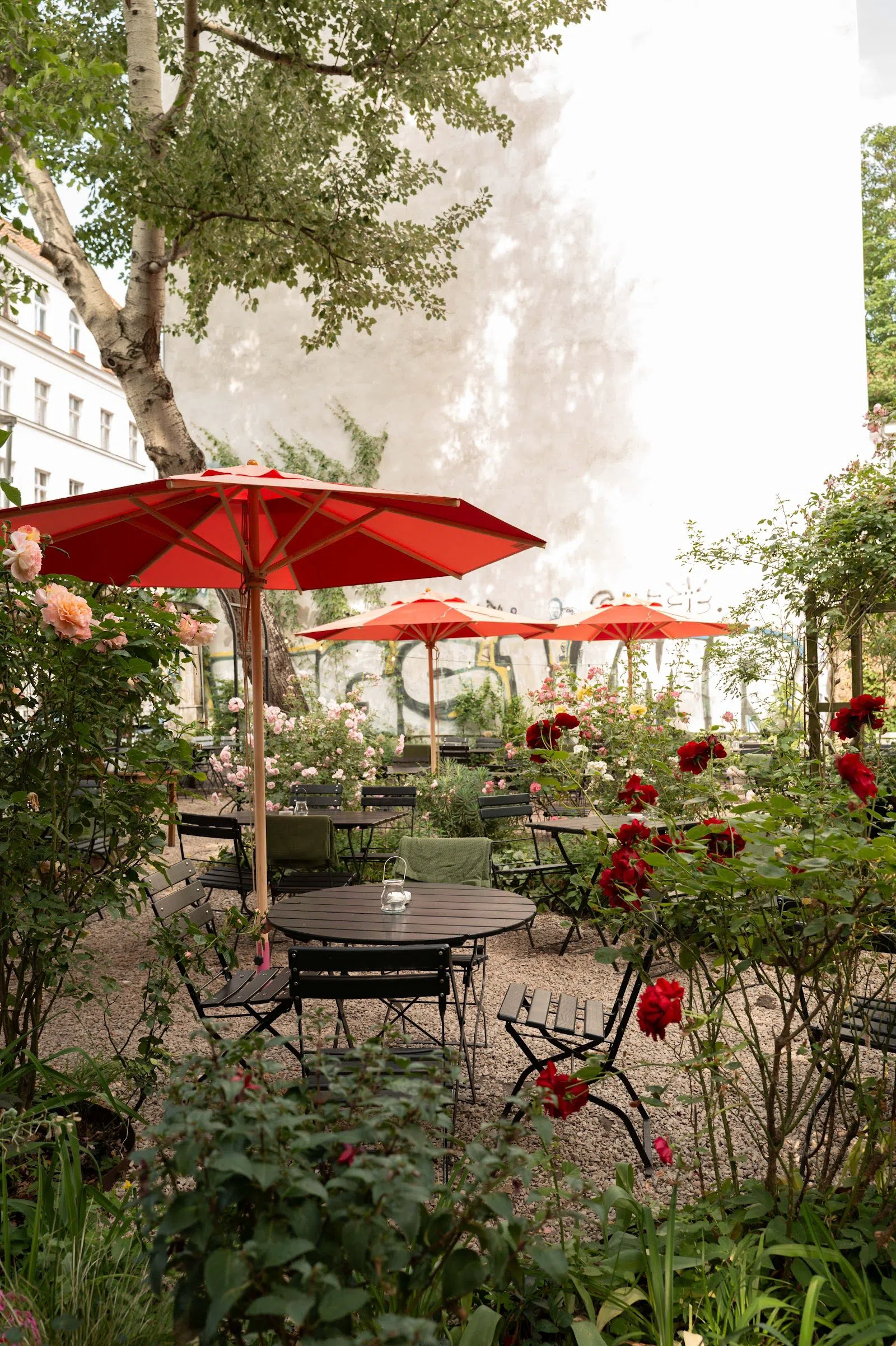
Clärchens Ballhaus (Mitte, Auguststraße) opened in 1913 and is the last survivor of the roughly 900 ballrooms Berlin once had. Restaurant mains at Luna D'Oro run €15 to €25 and take bookings, the courtyard beer garden is self-service with drinks around €5 and opens from 4pm on weekdays, and dance nights admit walk-ups with tickets varying by event. It is a night out that could not happen in another city, costs about what a round of drinks costs elsewhere, and involves no techno at all.
Three days of Berlin that cost nothing
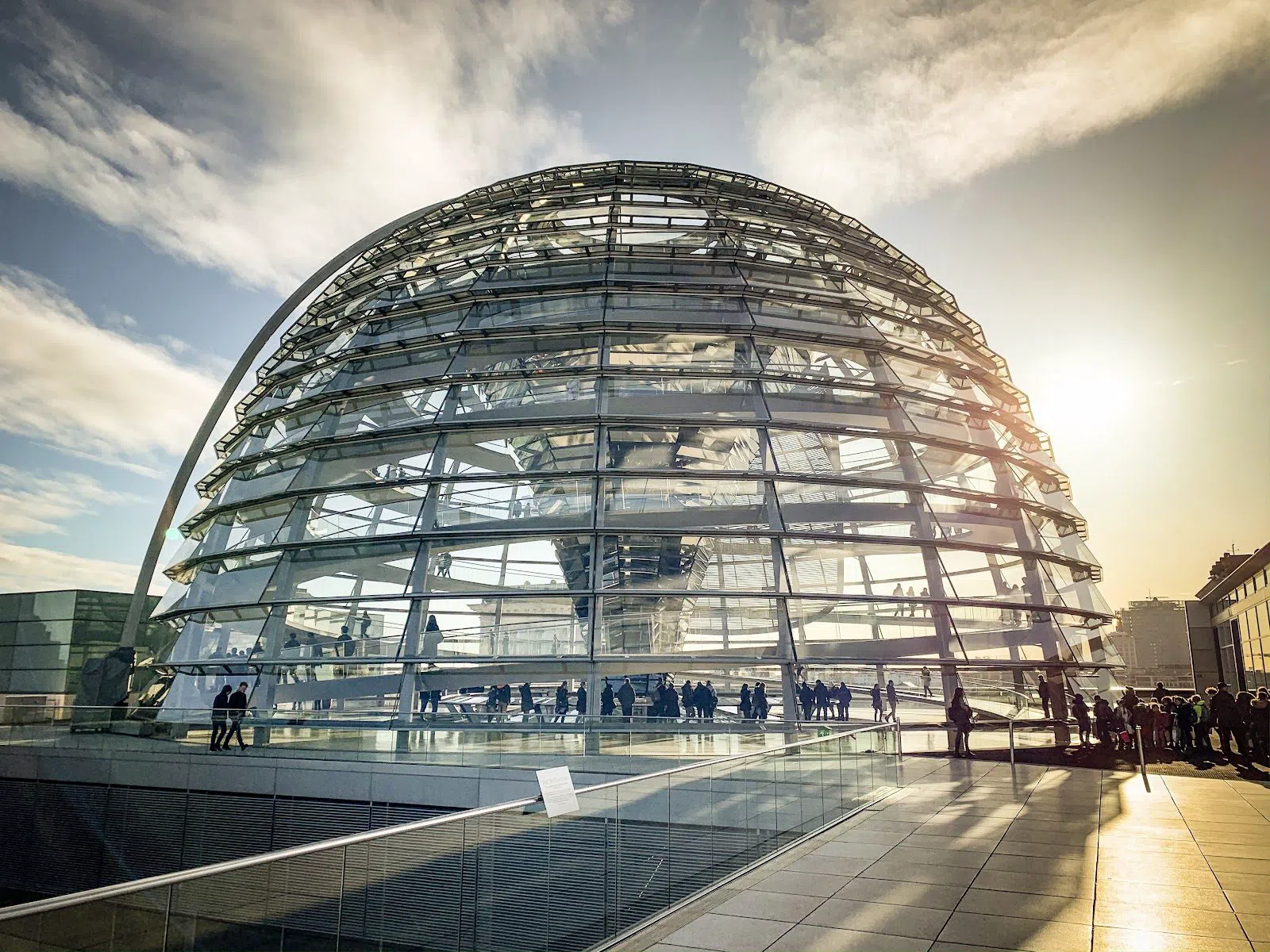
The Reichstag Dome (Mitte, in the Bundestag building) is free, and it is the best view in Berlin, because nothing you can pay for puts you inside a working parliament. Advance registration at visite.bundestag.de is compulsory and slots go two to three months ahead, so this is the booking to make before any other. It is open 08:00 to midnight with last admission at 21:45. Groups register in one booking, but every visitor's passport or national ID details go in individually, and you must bring the actual document, since photocopies and driving licences are refused at the door. Check the 2026 maintenance closures before you fix your dates: the dome is shut 14 to 18 September, 28 September to 2 October and 19 to 30 October, though the roof terrace stays open.
The Berlin Wall Memorial on Bernauer Straße (Mitte/Gesundbrunnen, Visitor Center at Bernauer Straße 119) is free in every part, and it explains more about the city than anything you will pay to enter. The open-air grounds run daily 08:00 to 22:00; the Documentation Centre and viewing tower are Tuesday to Sunday, 10:00 to 18:00. Start at the Visitor Center instead of wandering in from the middle of the strip, and give it two hours. Groups are welcome and can register in advance.
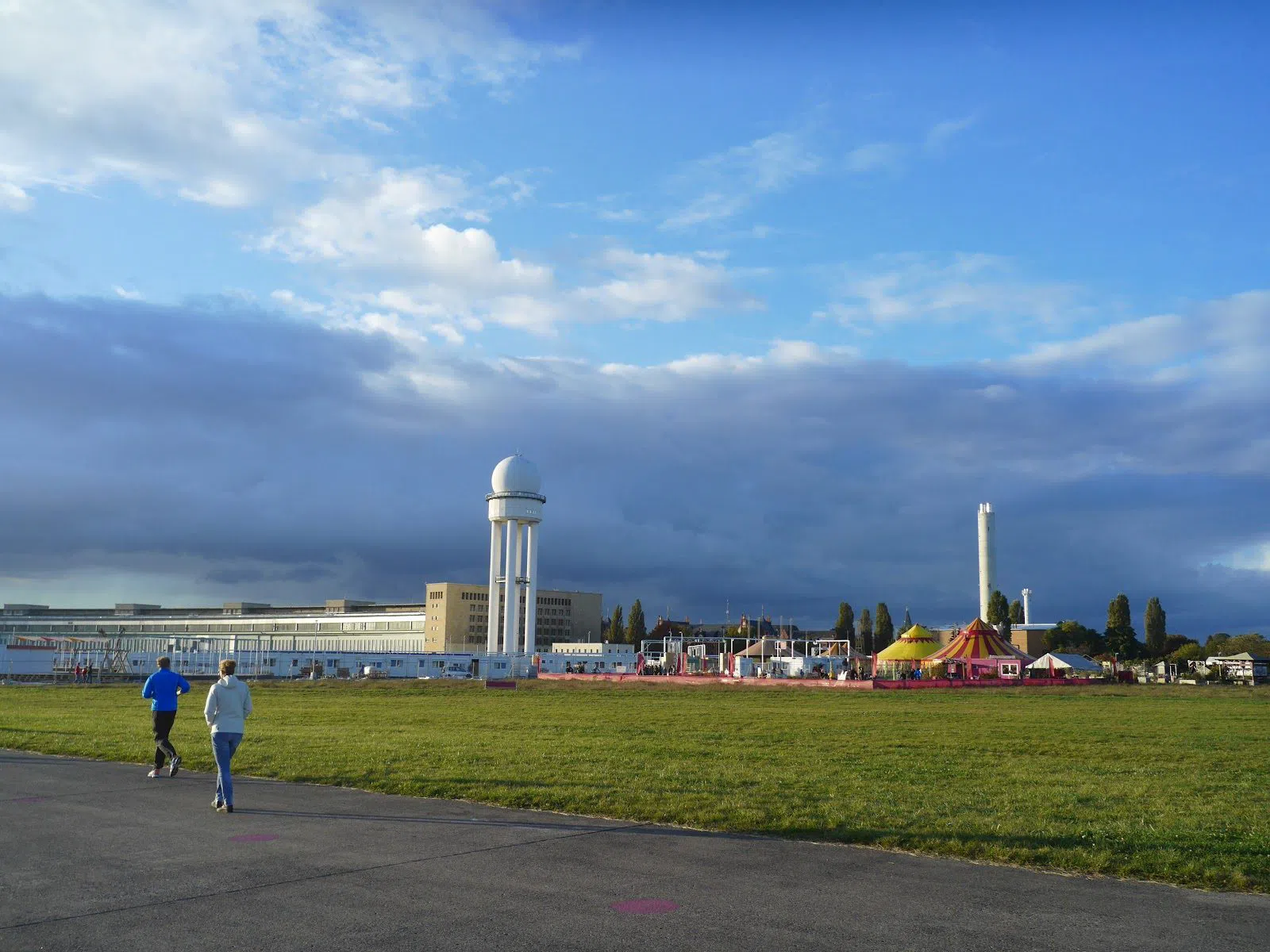
Tempelhofer Feld (Tempelhof/Neukölln) is the free afternoon that needs no planning: an inner-city park larger than 450 football pitches, laid out on a former airfield that has taken no planes since 2010. Barbecues, picnics and large groups are all fine in the designated zones. In October the gates run 07:00 to 19:00 and the field locks at dusk, so check the seasonal times before you assume you can drift out at nine.
That is three good half-days for zero euros, and it is the part of Berlin most cost comparisons miss.
What is actually worth a ticket
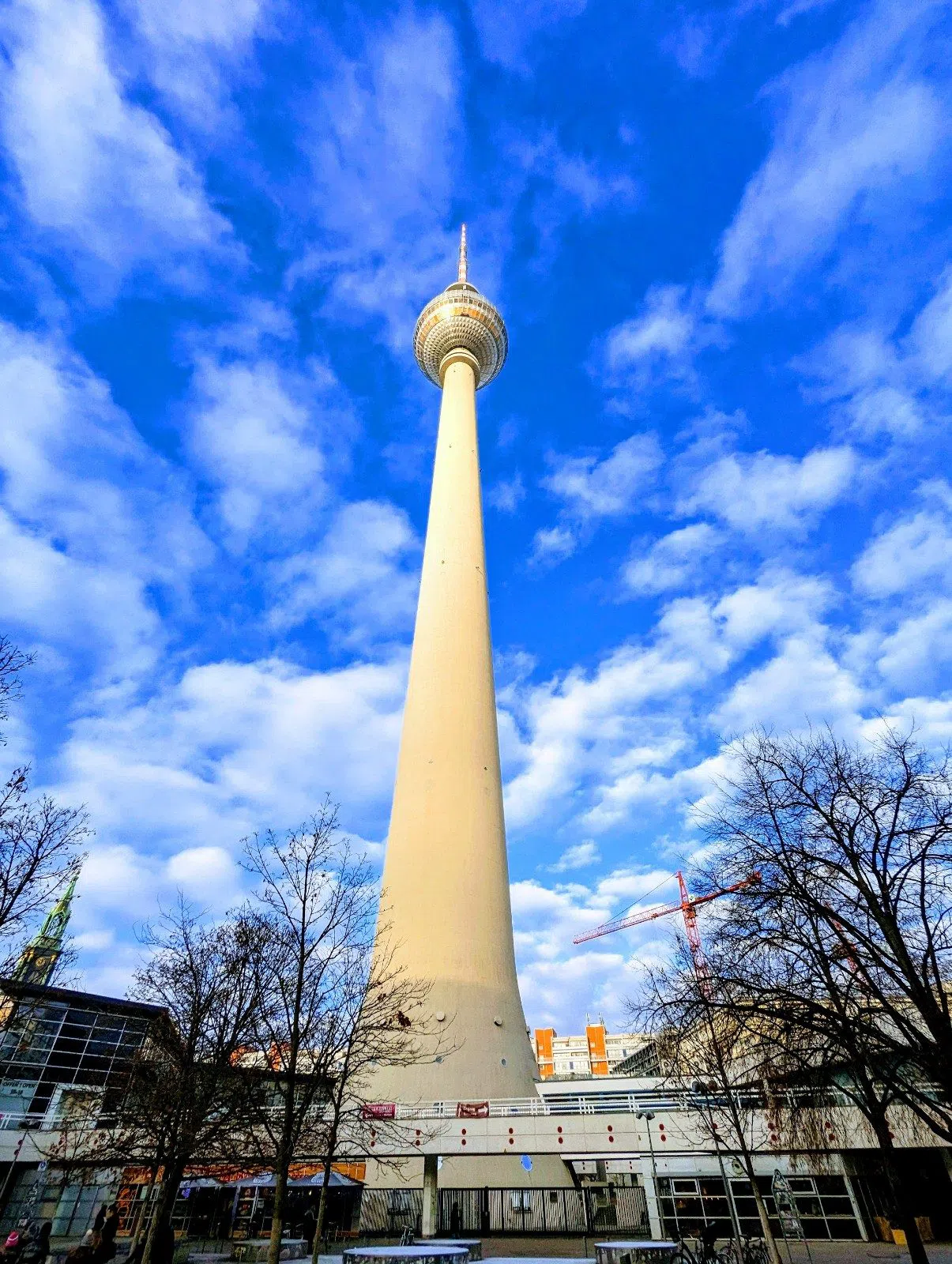
The Berliner Fernsehturm (Mitte, Alexanderplatz) is the most expensive single ticket most visitors buy: from €24.50 for a standard adult ticket booked online, €26.50 to €27.50 for Fast View priority entry, and higher again at the walk-up desk. It is open 09:00 to midnight (from 10:00 in winter), 364 days a year, and it works on timed slots, so a group must book the same slot together. Book online, because peak-day walk-up queues run one to two hours. If you secured a Reichstag slot the tower is optional; if you missed the registration window it is the fallback, and a good one.
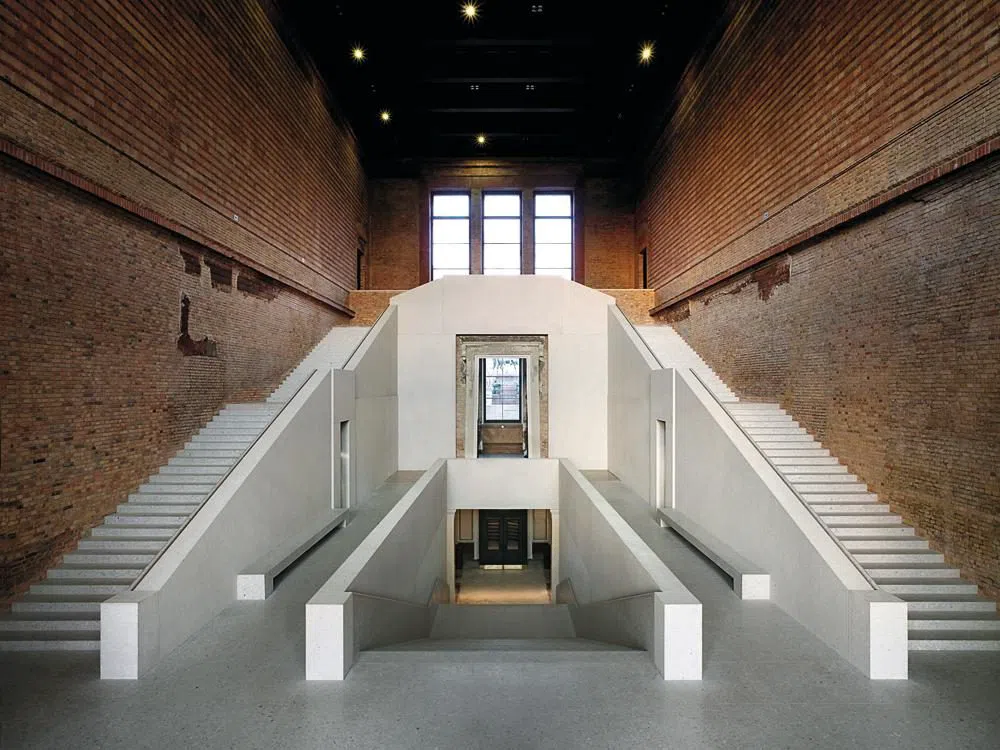
For museums, the Neues Museum (Mitte, Museum Island) is the choice that matters, at €14 for adults and free for under-18s. A Museum Island day ticket is €24 and the three-day Museum Pass Berlin is €32 across 30-plus museums, which pays off from your third museum and not before. Book timed tickets together for a group; guided group tours go through the Staatliche Museen. It is closed on Mondays. The Pergamonmuseum has been closed since October 2023 and only partially reopens in spring 2027, so do not build an island day around it.
Nights, doors, and the money you may not spend
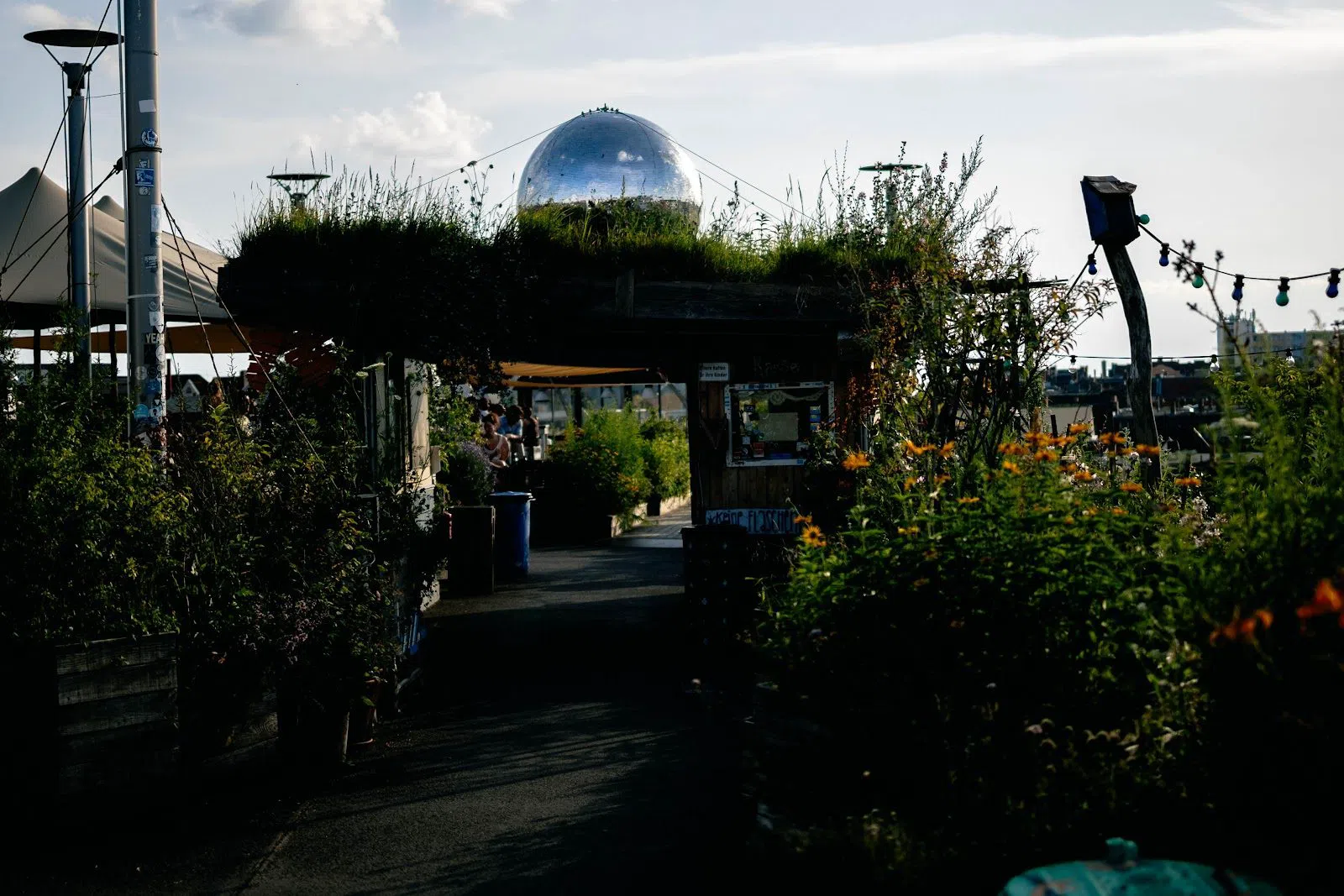
Klunkerkranich (Neukölln, on the rooftop of a shopping centre car park) is the cheapest good view in Berlin: a few euros on the door on busy nights, tickets through Rausgegangen, drinks around €5, no dress code and no door games. Capacity fills fast at sunset, so a big party should arrive early. It is seasonal, with the official main season running 16 April to the end of September, which makes it a summer plan and not an October one. Check before you count on it.
Berghain (Friedrichshain) costs €25 to €30 for Klubnacht, with Panorama Bar upstairs on the same ticket. Cards have been accepted at the door and the bars since 2025, but the cloakroom is still cash. Carry this as a budget item and never plan around it: rejection runs 60 to 80% on busy Saturdays, the door is subjective, there is no appeal, and large tourist groups are routinely turned away. One to three people read far better than six.
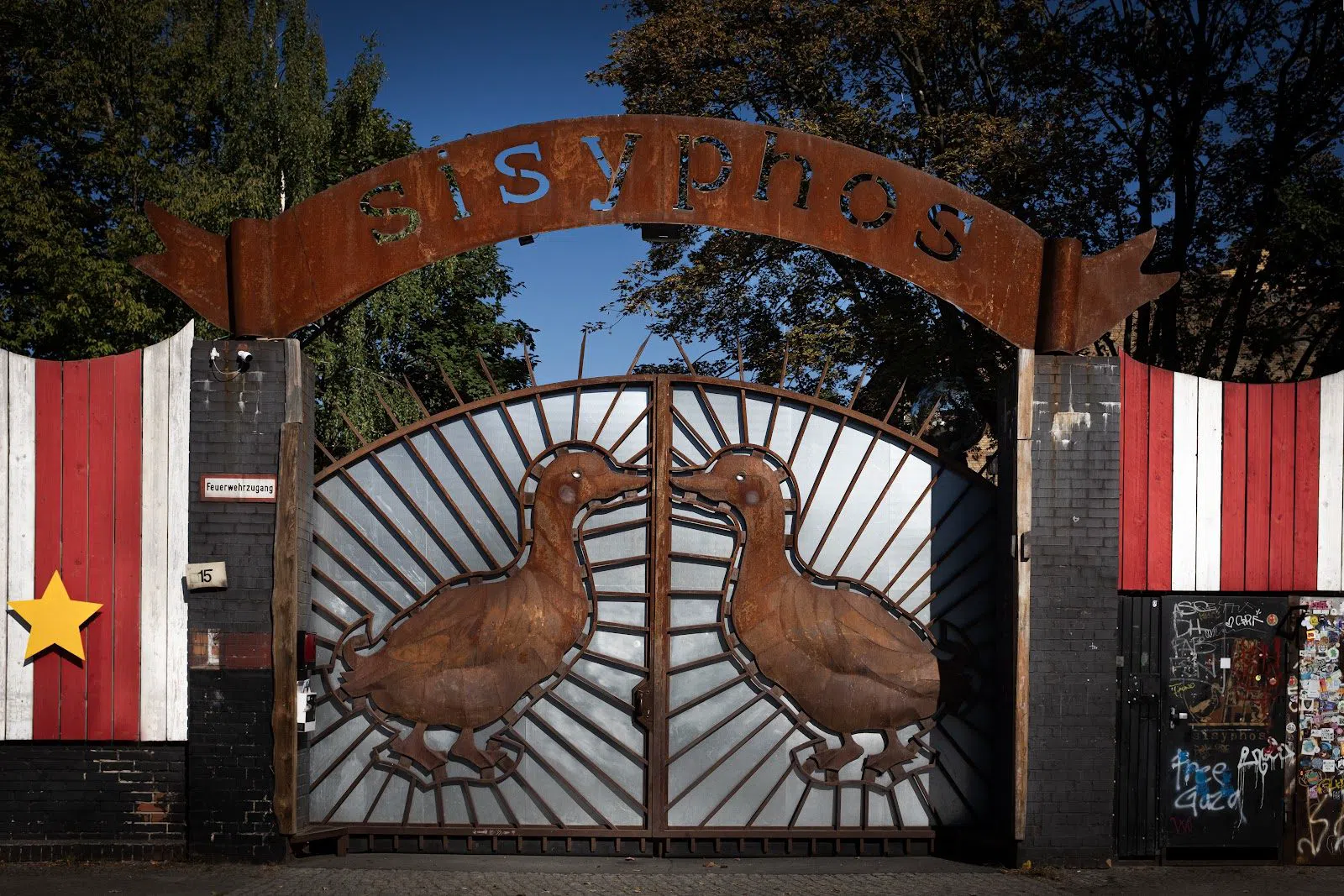
If you are four to six people who want a real Berlin club night without a coin flip, Sisyphos (Lichtenberg) is the answer: €12 to €25, cash only at the door with an ATM inside, opening around 10pm on Friday and running through the weekend, sometimes for days. The outdoor half is the point, so it rewards a mild night and disappoints in rain. Draw an October evening at 6°C and drizzle and you will be glad Clärchens exists.
Four days, added up
Per person, excluding your bed:
- Lean and still enjoyable, about €200. Four 24-hour BVG tickets (€44.80), €25 a day on kiosks and the market hall (€100), the Reichstag, the Wall Memorial and Tempelhofer Feld for nothing, one museum (€14), one beer-garden evening and one modest night out (roughly €45).
- Comfortable, about €360. The same transport, €45 a day on food including two sit-down dinners (€180), the Fernsehturm (€24.50), the three-day Museum Pass (€32), two nights out including a club (€80).
- Wide open, €450 upwards, which mostly means more restaurant dinners and more club nights instead of anything structurally different.
Accommodation is the one line that moves the total more than every other decision combined, and it swings hard by district and by week, so start with a Berlin hotel search and set your food and nightlife budget around what you find, not the other way round.
Practical notes before you go
Buy the 24-hour AB ticket, validate it when you first travel, and stop thinking about fares. A party of five should price the Small Group ticket instead.
Berlin is far more card-friendly than its reputation, but keep €50 in notes: Sisyphos is cash-only on the door, the Berghain cloakroom is cash, and small kiosks still prefer it.
Register for the Reichstag two to three months out and check the 2026 closure dates. Book the Fernsehturm online. Reserve Zum Schusterjungen by phone. Avoid Konnopke's on a Sunday and the Neues Museum on a Monday. Treat Klunkerkranich as an April-to-September plan.
Four days in Berlin costs what you decide it costs, and the decisions are unusually few: how many restaurant dinners, whether you pay for a view you can get free, and whether you spend €30 on a door that may not open. For everything else (districts, seasons, what to do with a wet afternoon) the Berlin guide is the place to start.
Before you go
Is €500 realistic for four days in Berlin?
Yes, comfortably, if that figure excludes your flights and your bed. Four 24-hour BVG tickets cost €44.80, kiosk and market-hall food runs €20 to €25 a day, and the Reichstag Dome, the Berlin Wall Memorial and Tempelhofer Feld are free. A lean but genuinely enjoyable four days lands around €200 per person; €360 covers two sit-down dinners, the Fernsehturm, a three-day Museum Pass and two nights out. Accommodation is the line that decides whether €500 is generous or tight.
Should I buy single tickets or a 24-hour BVG ticket?
A single AB ticket is €4.00 and a 24-hour AB ticket is €11.20, so the day ticket pays for itself on your third journey, and in Berlin you will make a third journey, because the districts are far apart. Since 1 January 2026 the 24-hour ticket runs a true 24 hours from validation rather than expiring at midnight, so an afternoon arrival is no longer penalised. Groups of five should price the AB 24-hour Small Group ticket, which covers up to five people on one ticket.
Is the Museum Pass Berlin worth it for a short trip?
Only if you will visit three or more museums. The three-day Museum Pass Berlin is €32 across 30-plus museums, a Museum Island day ticket is €24, and a single adult entry to the Neues Museum is €14. Two museums are cheaper bought separately; the pass wins from the third. The Neues Museum closes on Mondays, and the Pergamonmuseum has been shut since October 2023, with only a partial reopening due in spring 2027.
Can a group of five get into Berghain?
Probably not, and you should not build an evening around trying. Rejection runs 60 to 80% on busy Saturdays, the door is subjective, there is no appeal, and large groups read badly: parties of one to three fare far better than six. Carry the €25 to €30 as an option rather than a plan. For four to six people who want a proper club night without the coin flip, Sisyphos is the realistic answer at €12 to €25, cash only at the door.
What do I need to book before arriving in Berlin?
The Reichstag Dome first: registration at visite.bundestag.de is compulsory, slots go two to three months ahead, every visitor's passport details are entered individually, and you must bring the actual passport, because photocopies and driving licences are refused. Check the 2026 maintenance closures (14 to 18 September, 28 September to 2 October, 19 to 30 October). Book the Fernsehturm online for a timed slot to skip a one-to-two-hour queue, and phone Zum Schusterjungen for any table above four.