Berlin
Berlin does not ease you in.
Guests & rooms
The Berlin guide
An insider’s read on Berlin
BBerlin does not ease you in.
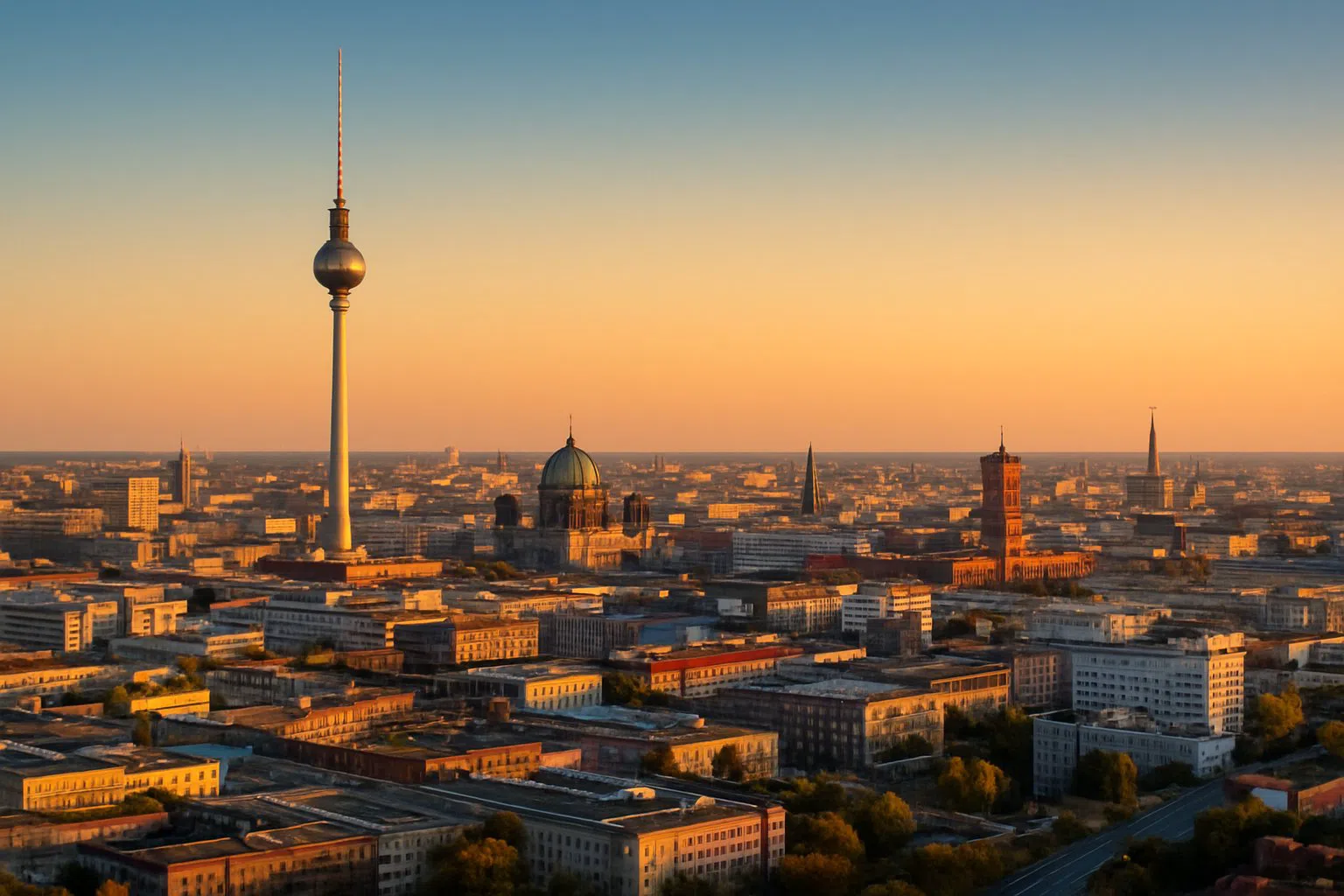
Berlin's identity is forged in division and reconstruction. The physical legacy of the Wall still shapes the city's geography, dividing the grand, classical institutions of the West from the raw, industrial subcultures of the East. The 1990s vacuum created by the fall of the Wall allowed artists, squatters, and techno pioneers to colonize abandoned spaces, cementing a fiercely independent, anti-commercial ethos that still resists complete gentrification today.
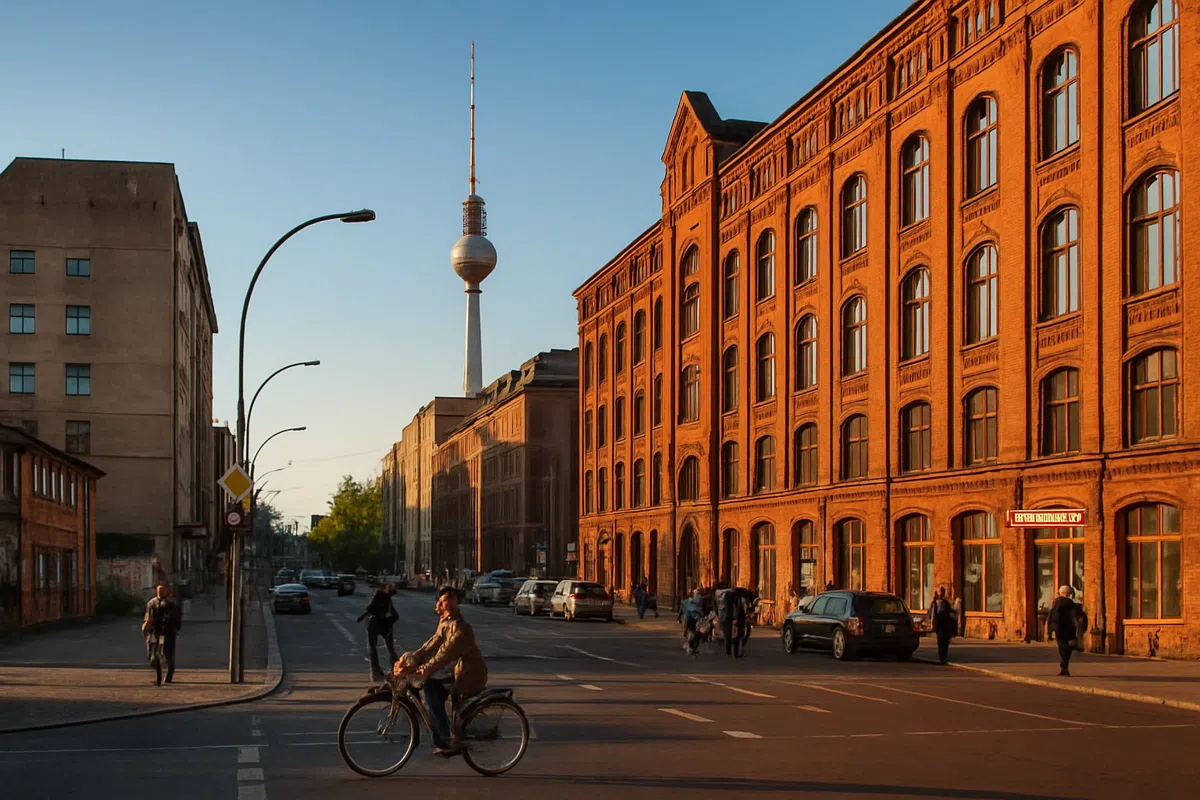
PLATE IBerlin, Germany
Guides & ideas
The Berlin reading list
Hand-written guides from our editors — itineraries, the best of after dark, where to eat, and what’s genuinely worth your time.
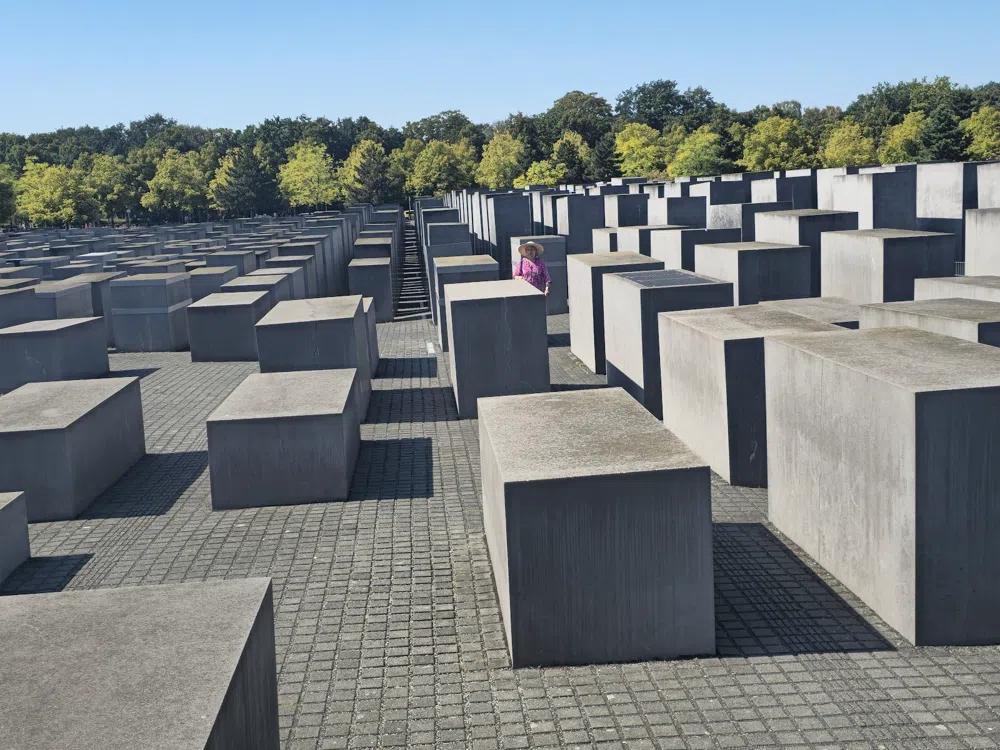
Walking Into the Stones at Berlin's Holocaust Memorial
How long Berlin's Field of Stelae really takes, what the information centre underneath it adds, and the three memorials five minutes away that most visitors walk straight past.
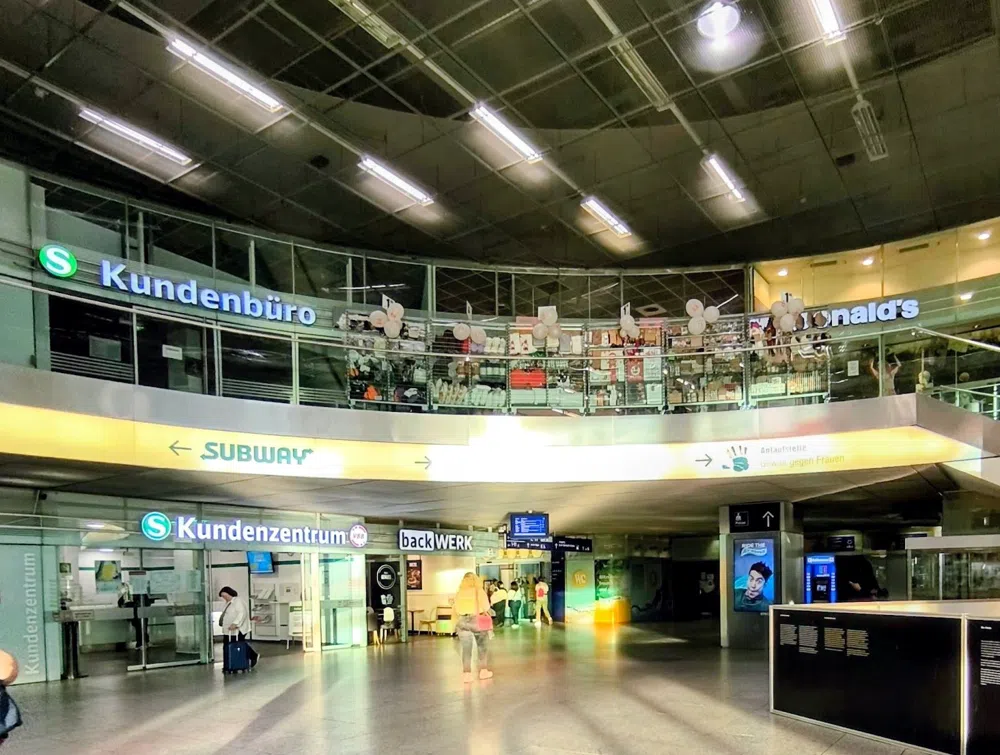
Getting Across Berlin Without Losing Half Your Day
Fares, the Ringbahn trick, the €6 taxi rule and the bike lanes that actually connect: how to cross Berlin in 2026 without losing an afternoon on a platform.

Berlin for First-Timers Who Don't Drink
Five days of parks, ruins, tea rooms and flea markets, and one sound stage with no bar, priced and timed so you never have to stand at a club door.

Sunday Digging in Berlin's Flea Markets and Vintage Shops
The Berlin market circuit: where to go, what it costs and what time to arrive, plus the vintage shops that cover the six days a week the markets are shut.
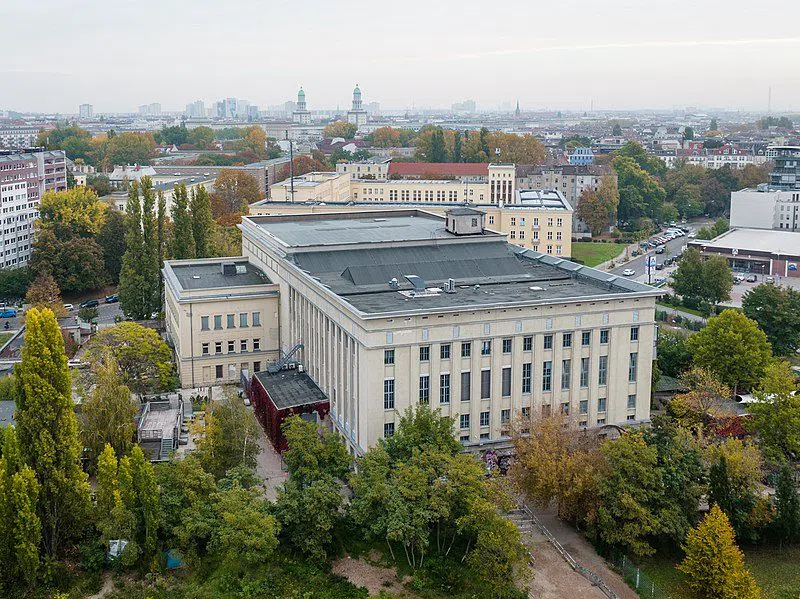
Fifteen Doors on the Berlin Techno Pilgrimage
Where Berlin techno started, which doors actually let you in, and how to plan a weekend that does not end in a queue anecdote.
What Four Days in Berlin Really Costs in 2026
Four days of transport, currywurst, museums, beer gardens and one very uncertain club door, priced line by line in 2026 euros.
Where to base yourself
The neighborhoods
01
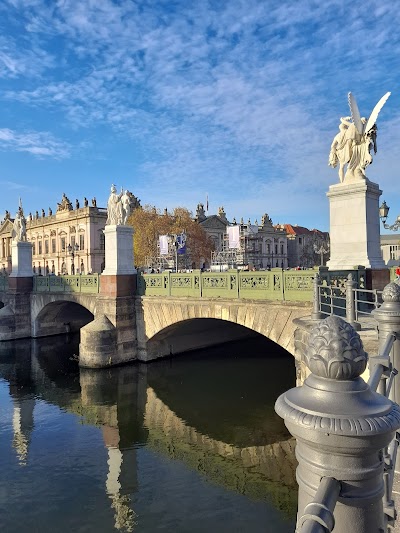
Mitte
For First-time visitors who want to walk to major historical landmarks. The trade-off is a sterile, highly touristed feel with inflated prices.
The historic and commercial core, filled with grand Prussian architecture, museum complexes, and upscale shopping streets.
Where to stay — High-end business hotels and boutique apartments near Gendarmenmarkt or Torstraße.
02
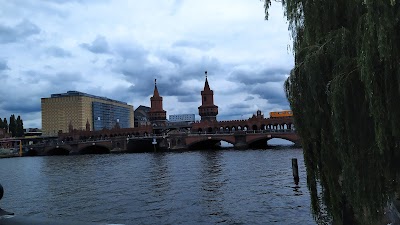
Kreuzberg
For Travelers seeking independent bars, street food, and alternative culture. The trade-off is noise, occasional street chaos, and visible drug activity around Görlitzer Park.
Historically the heart of West Berlin's punk and Turkish immigrant communities, now a mix of gritty street life, canal-side hangouts, and tech offices.
Where to stay — Industrial-chic boutique hotels and independent guesthouses near Oranienstraße.
03
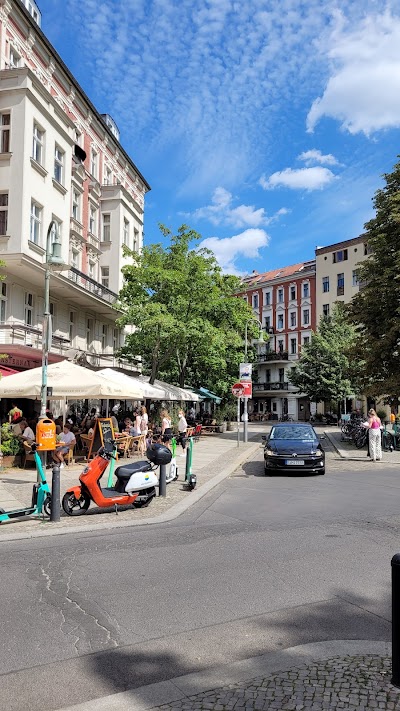
Prenzlauer Berg
For Families, relaxed travelers, and those who prefer quiet mornings. The trade-off is a lack of late-night grit and a highly gentrified atmosphere.
A leafy, affluent district of beautifully restored pre-war tenement buildings, quiet squares, and independent cafes.
Where to stay — Quiet boutique hotels and family-friendly serviced apartments near Kollwitzplatz.
04
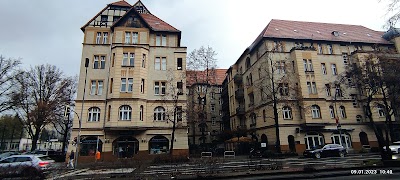
Neukölln
For Younger travelers and budget-conscious food lovers. The trade-off is litter, noise, and a lack of traditional tourist sights.
A diverse, high-energy neighborhood where traditional Middle Eastern bakeries sit alongside natural wine bars and experimental art spaces.
Where to stay — Budget-friendly design hostels and simple apartments near Weserstraße.
05
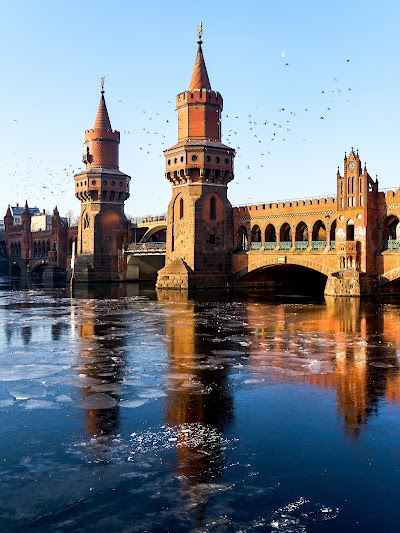
Friedrichshain
For Clubgoers and fans of raw, alternative spaces. The trade-off is that it can feel bleak and heavily touristed by weekend party crowds.
An industrial-edged district dominated by monumental Soviet-era architecture, flea markets, and the city's densest concentration of techno clubs.
Where to stay — Trendy, music-focused hotels and budget hostels near Warschauer Straße.
06
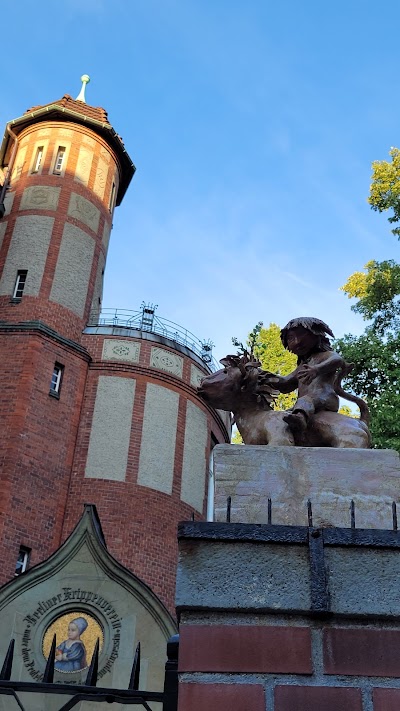
Schöneberg
For LGBTQ+ travelers and those seeking a relaxed, authentic West Berlin vibe. The trade-off is that it is sleepy at night outside the main hubs.
An elegant, historic neighborhood with a proud queer heritage, grand pre-war residential blocks, and quiet, leafy streets.
Where to stay — Classic mid-range hotels and gay-friendly guesthouses near Nollendorfplatz.
07
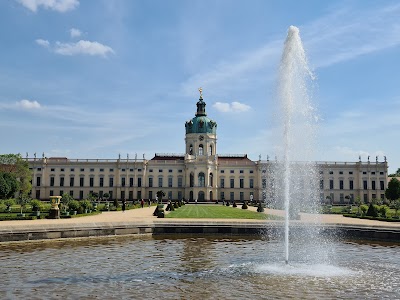
Charlottenburg
For Travelers seeking quiet luxury, classical culture, and fine dining. The trade-off is that it feels conservative and is far from the nightlife core.
The wealthy heart of old West Berlin, defined by grand pre-war apartments, high-end design boutiques, and traditional literary cafes.
Where to stay — Five-star grand hotels and historic boutique properties near Kurfürstendamm.
08
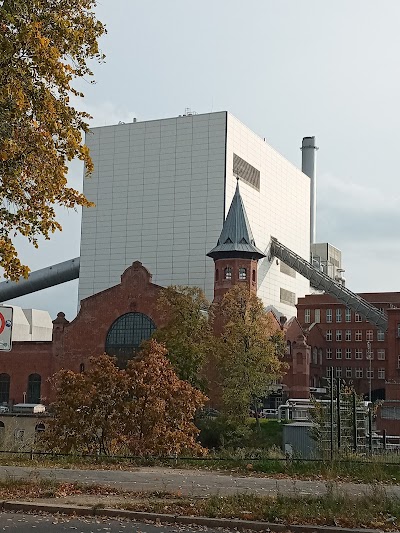
Wedding
For Intrepid travelers looking for an authentic, un-gentrified slice of the city. The trade-off is a rough-around-the-edges feel and fewer dining options.
An unpretentious, working-class neighborhood with industrial heritage, quiet waterways, and a growing community of artists.
Where to stay — Simple, budget-friendly guesthouses and basic apartments.
09
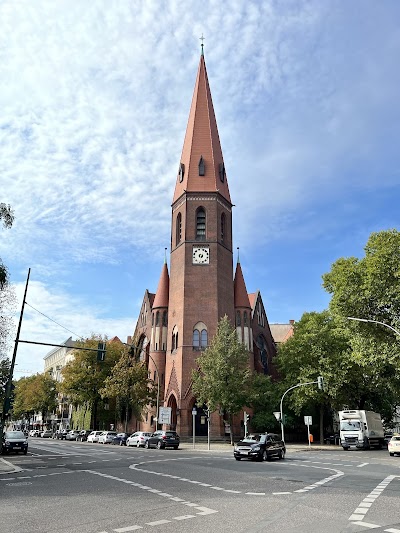
Moabit
For Travelers who want a central location without the Mitte crowds. The trade-off is a lack of major nightlife and a quieter evening scene.
A historic, water-surrounded working-class district with grand brick industrial architecture and a quiet, residential feel.
Where to stay — Mid-range business hotels and modern serviced apartments near the central station.
Book direct
Book a hotel in Berlin
Loading live availability and real-time prices…
Where to eat
Dining
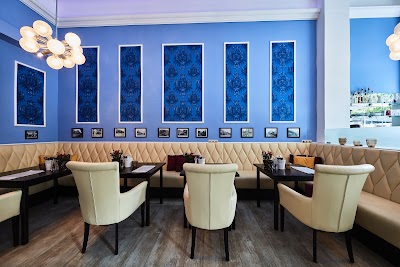
Der Fischladen
€€Prenzlauer Berg
A neighborhood fishmonger and casual bistro serving fresh, sustainably caught fish cooked simply to order.
Signature — Pan-fried redfish with potato salad
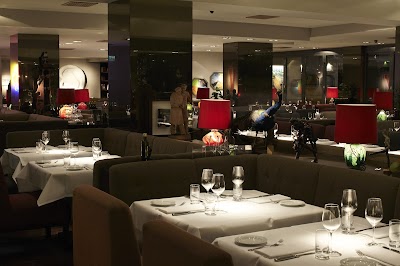
Grill Royal
€€€€Mitte
A sleek, art-filled riverside hotspot favored by international celebrities, offering exceptionally sourced steaks.
Signature — Dry-aged Wagyu ribeye
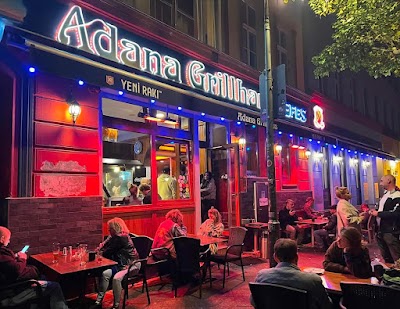
Adana Grillhaus
€€Kreuzberg
An authentic, smoky Turkish ocakbaşı grill where skewers are cooked over open coals in a lively, casual room.
Signature — Lamb ribs and Adana kebab
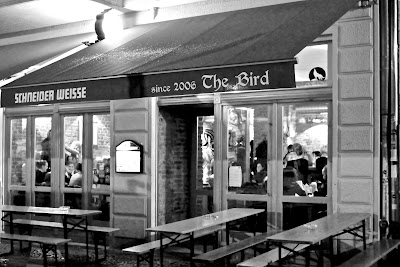
The Bird
€€Prenzlauer Berg
A lively, American-style bar serving thick, hand-chopped burgers and dry-aged steaks with no-nonsense service.
Signature — The Filthy Harry burger
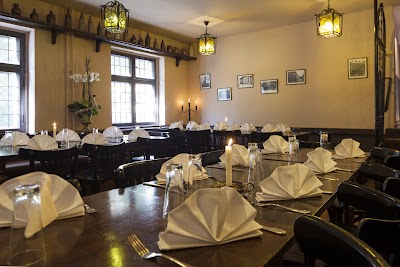
Zur Letzten Instanz
€€€Mitte
Operating since the 16th century, this is the city's oldest tavern, serving classic, heavy Berlin dishes in a wood-paneled dining room.
Signature — Pork knuckle (Eisbein)
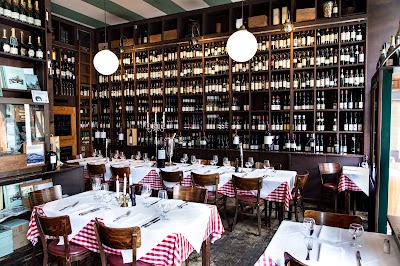
Lutter & Wegner
€€€Mitte
An elegant, historic dining room on Gendarmenmarkt known for its extensive wine list and classic Austro-German dishes.
Signature — Wiener Schnitzel with warm potato-cucumber salad
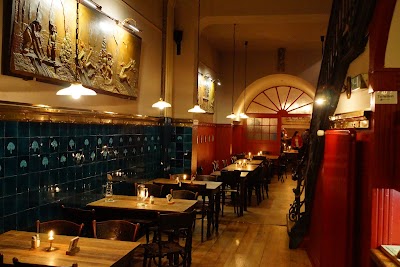
Max und Moritz
€€Kreuzberg
A classic, high-ceilinged Wirtshaus dating back to 1902, featuring original Art Nouveau tilework and hearty regional fare.
Signature — Königsberger Klopse (veal meatballs in caper sauce)
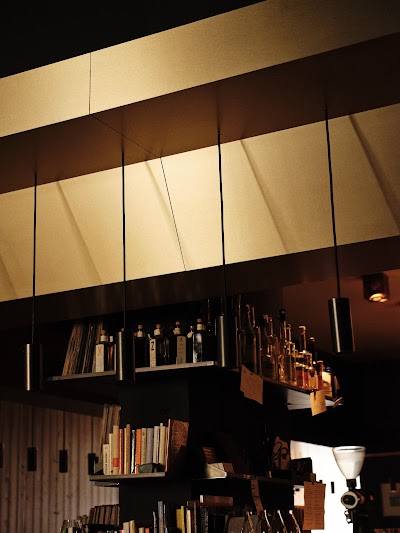
Nobelhart & Schmutzig
€€€€Kreuzberg
A radically regional, Michelin-starred counter-only restaurant that strictly bans pepper, lemon, and any ingredient sourced outside the region.
Signature — Multi-course micro-seasonal tasting menu
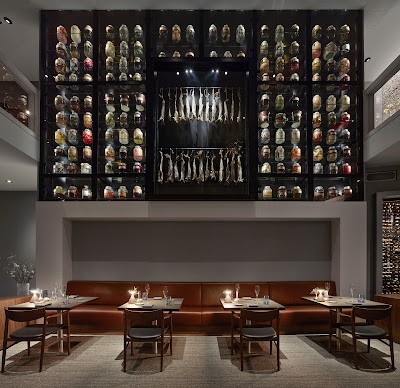
Rutz
€€€€Mitte
The city's first three-Michelin-starred establishment, offering highly complex, intellectually stimulating dishes focused on fermentation and local nature.
Signature — Inspiration menu focusing on regional forest and water ingredients
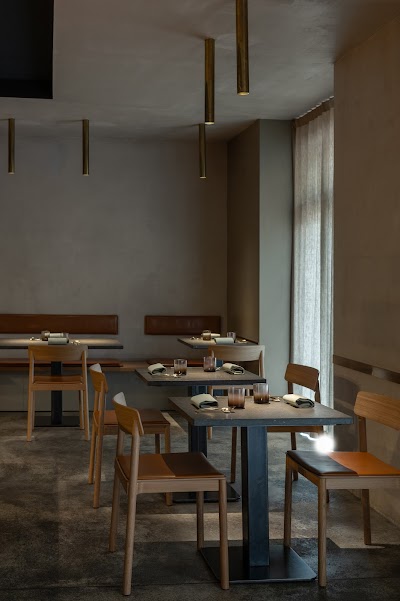
CODA Dessert Dining
€€€€Neukölln
A unique, multi-Michelin-starred concept serving a multi-course tasting menu based entirely on pastry techniques, using no refined sugar.
Signature — Yellow tomato and chickpea dessert pairing
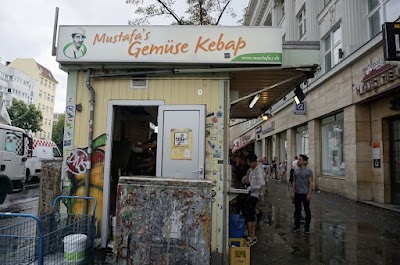
Mustafa's Gemüse Kebap
€Kreuzberg
The most famous kebab stand in the city, drawing long lines for its unique chicken and roasted vegetable döner.
Signature — Chicken and vegetable durum with feta and lemon squeeze
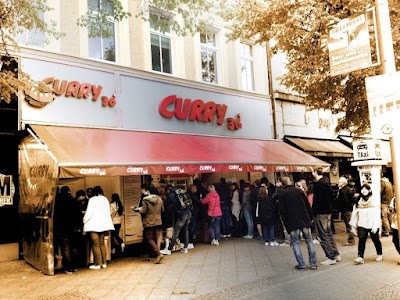
Curry 36
€Kreuzberg
An iconic standing-only snack bar serving classic Berlin currywurst to locals, taxi drivers, and late-night revelers.
Signature — Currywurst ohne Darm (without casing) with fries
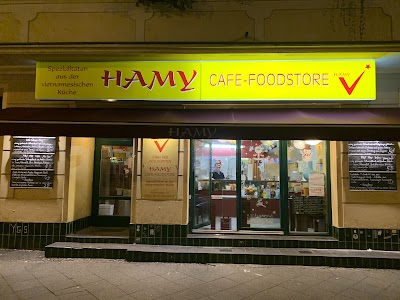
Hamy Cafe
€Neukölln
A fast-paced, incredibly popular Vietnamese joint serving fresh, cheap, and flavorful daily specials.
Signature — Red chicken curry with fresh herbs
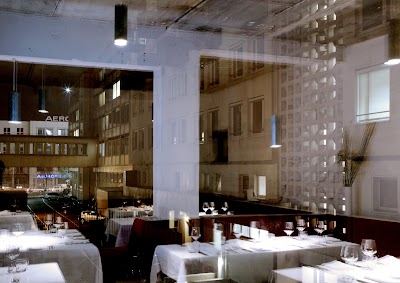
Cookies Cream
€€€€Mitte
A Michelin-starred vegetarian restaurant hidden in a industrial alleyway behind a nightclub, serving inventive, texture-forward dishes.
Signature — Parmesan dumplings with truffle stock
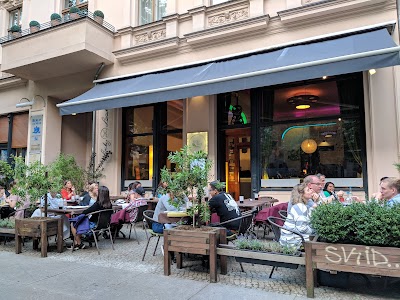
Lucky Leek
€€€Prenzlauer Berg
A long-running, fully vegan fine-dining restaurant offering creative, multi-course seasonal menus in a relaxed setting.
Signature — Seasonal vegan tasting menu
After dark
Nightlife
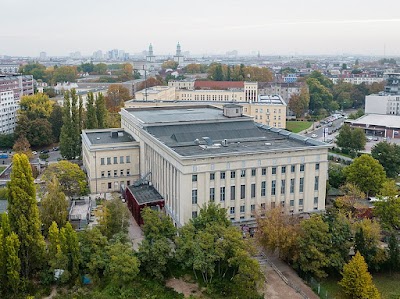
Berghain
Friedrichshain
The undisputed temple of techno, housed in a former power plant, famous for its sound system, dark rooms, and strict door policy.
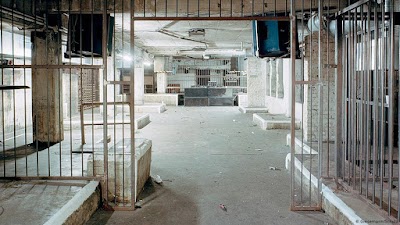
Tresor
Mitte
A pioneer of the 1990s techno movement, now located in a massive, multi-room abandoned heating plant.
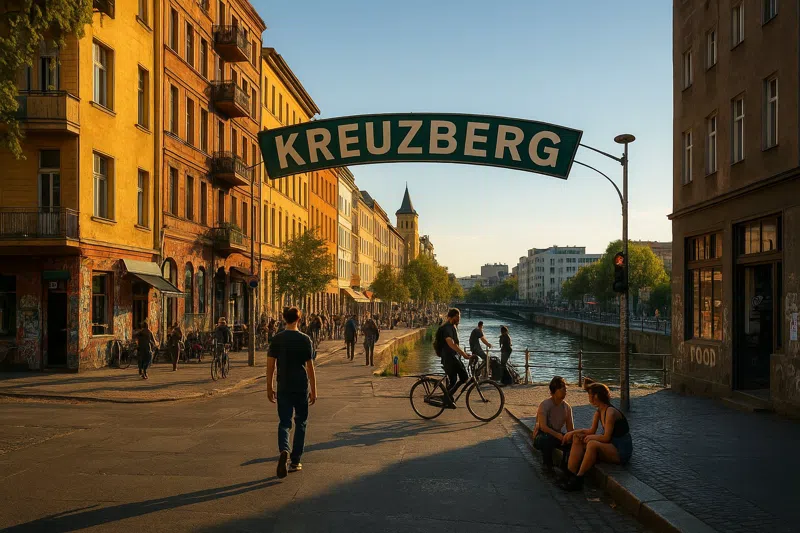
Watergate
Kreuzberg
A sleek, two-story club on the River Spree featuring a famous floor-to-ceiling LED light installation and water views.
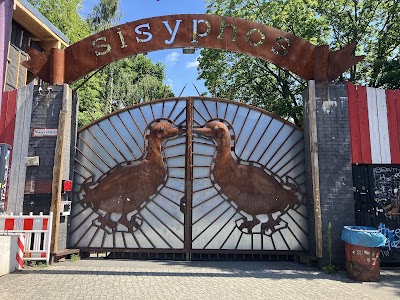
Sisyphos
Lichtenberg
A sprawling, festival-like club in a former dog food factory, featuring a large outdoor sandy beach area.
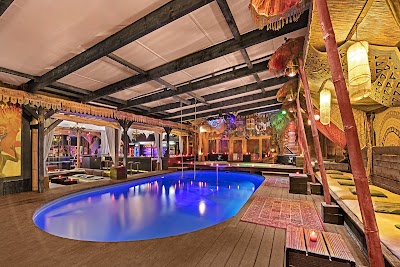
KitKatClub
Mitte
A legendary, highly liberal fetish and electronic music club where self-expression and body positivity are mandatory.
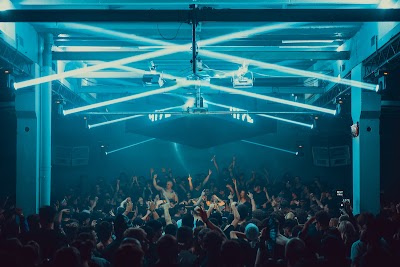
Anomalie Art Club
Prenzlauer Berg
A creative hub combining electronic music, digital art installations, and open-air events in an industrial yard.
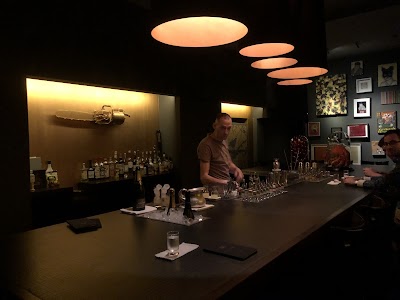
Buck and Breck
Mitte
An intimate, award-winning speakeasy hidden behind a secret door, centered around a single large table where bespoke cocktails are crafted.
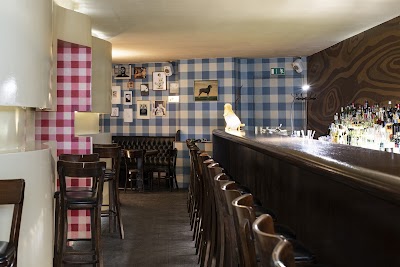
Green Door
Schöneberg
A classic, retro-styled cocktail bar accessed via a doorbell, known for its quirky decor and exceptional, balanced drinks.
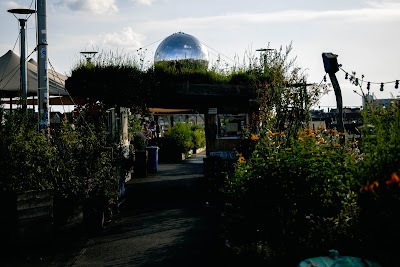
Klunkerkranich
Neukölln
A sprawling, green-filled rooftop bar perched on top of a multi-story parking garage, offering panoramic sunset views.
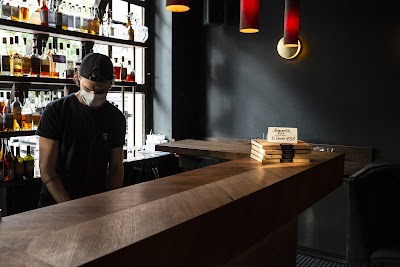
Velvet
Neukölln
An innovative bar where ingredients are foraged weekly from the surrounding forests and fields to create unique liquid profiles.
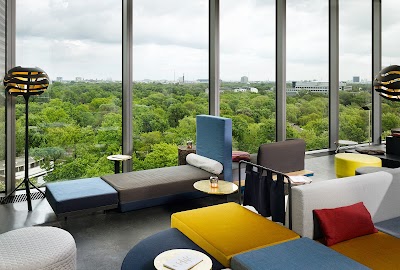
Monkey Bar
Charlottenburg
A stylish rooftop bar on the tenth floor of the 25hours Hotel, offering floor-to-ceiling views over the Berlin Zoo's monkey enclosure.
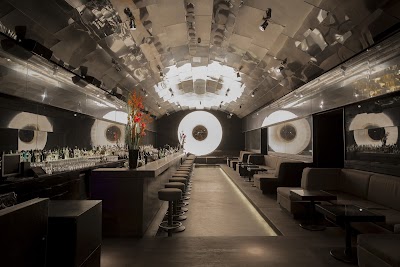
Bar Tausend
Mitte
A high-end bar hidden beneath the railway tracks of Friedrichstraße station, featuring a dramatic mirrored ceiling.
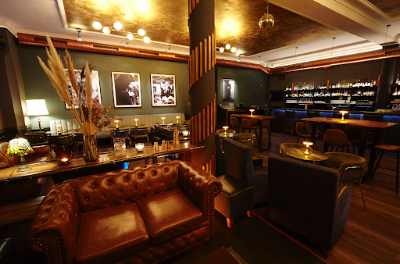
Quasimodo
Charlottenburg
One of the city's oldest jazz cellars, located under the Delphi Filmpalast, hosting international jazz, blues, and soul acts.
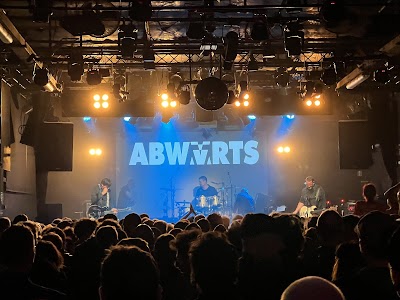
SO36
Kreuzberg
A legendary punk and alternative venue that was central to the city's music scene in the 1970s and 80s, still hosting raw gigs and queer parties.
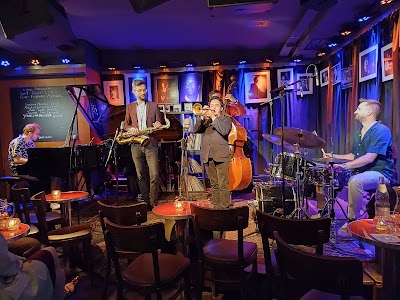
A-Trane
Charlottenburg
A small, highly respected jazz club known for its exceptional acoustics and late-night weekend jam sessions.
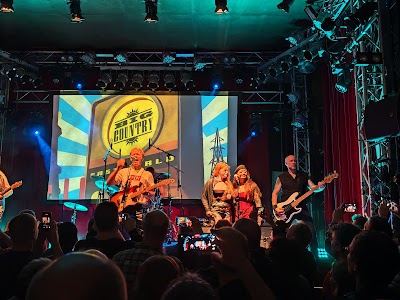
Lido
Kreuzberg
A former 1950s cinema turned live music venue, hosting indie, rock, and electronic bands.
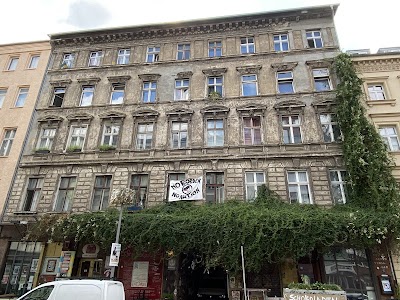
Schokoladen
Mitte
A survivor of the 1990s squat culture, this alternative cultural center hosts indie-punk gigs and readings.
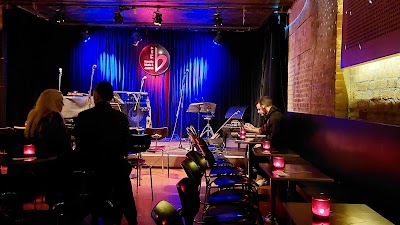
B-Flat
Mitte
A modern, acoustic-focused jazz club hosting local and international musicians in a sleek basement setting.
Art & history
Culture
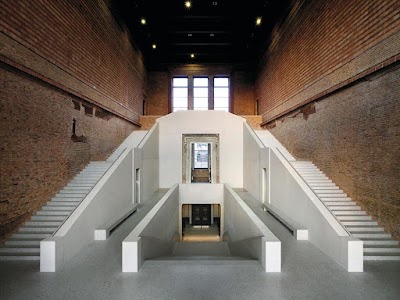
Neues Museum
Mitte
Housed in a beautifully restored building by David Chipperfield, it holds the world-famous bust of Queen Nefertiti and extensive Egyptian antiquities.
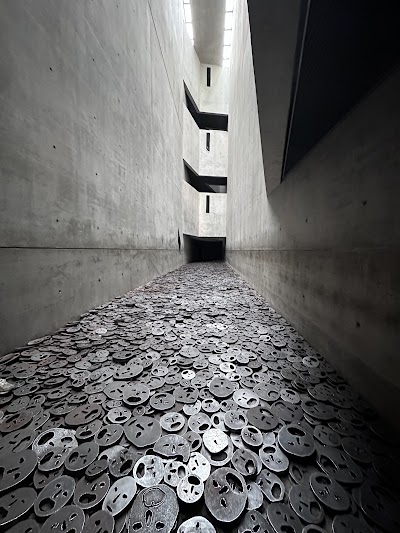
Jewish Museum Berlin
Kreuzberg
A striking, symbolic zinc-clad building designed by Daniel Libeskind that explores two millennia of German-Jewish history.
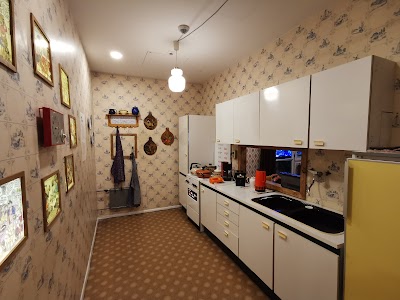
DDR Museum
Mitte
An interactive, hands-on museum that lets you experience daily life under East German socialist rule, including sitting in a Trabant car.
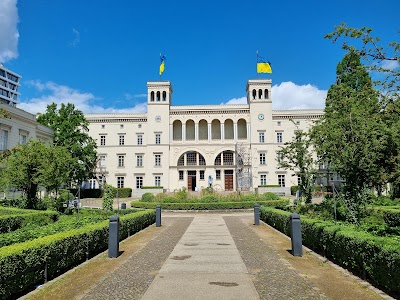
Hamburger Bahnhof
Moabit
A former 19th-century railway station converted into a massive contemporary art museum housing works by Warhol, Beuys, and Kiefer.
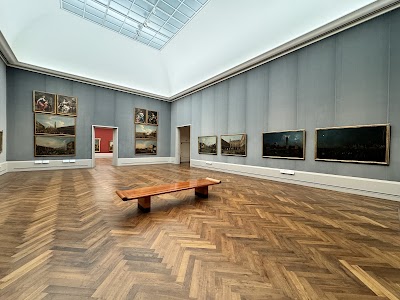
Gemäldegalerie
Tiergarten
Houses one of the world's finest collections of European paintings from the 13th to 18th centuries, including masterpieces by Rembrandt and Vermeer.
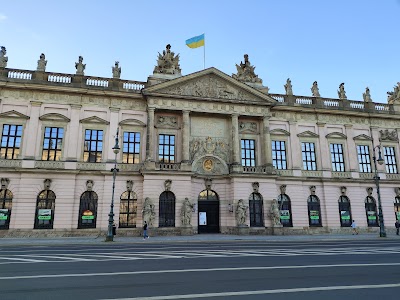
Deutsches Historisches Museum
Mitte
Located in the historic Zeughaus, this museum offers a comprehensive, critical look at German history through the centuries.
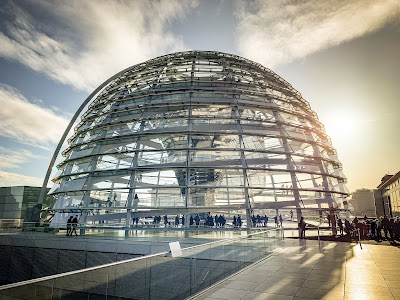
Reichstag Building
Mitte
The historic seat of the German parliament, topped with a modern glass dome designed by Norman Foster that offers views over the government district.
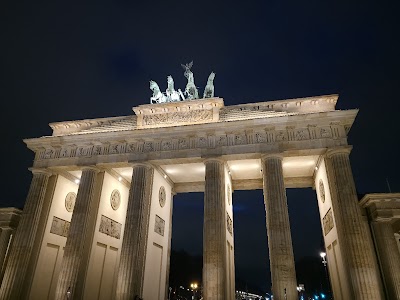
Brandenburg Gate
Mitte
The city's ultimate symbol of unity and division, this 18th-century neoclassical triumphal arch once stood in the dead zone of the Wall.
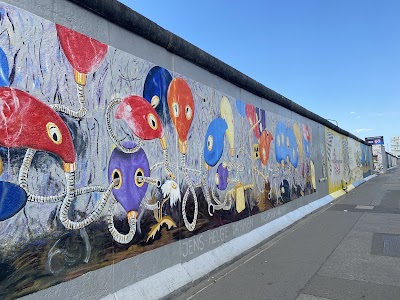
East Side Gallery
Friedrichshain
A 1.3-kilometer stretch of the original Berlin Wall covered in over a hundred murals painted by international artists in 1990.
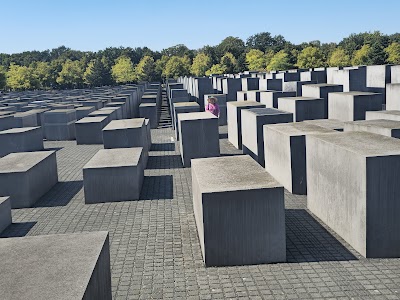
Memorial to the Murdered Jews of Europe
Mitte
A powerful, disorienting grid of 2,711 concrete stelae of varying heights, designed by Peter Eisenman to evoke a sense of unease.
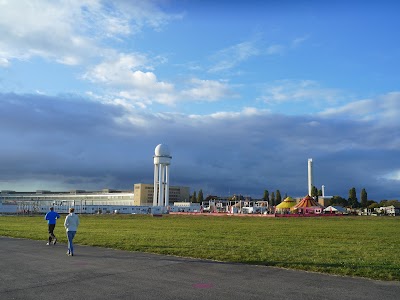
Tempelhofer Feld
Tempelhof
A massive former pre-war airport closed in 2008 and converted into a public park where locals cycle, run, and barbecue on the runways.
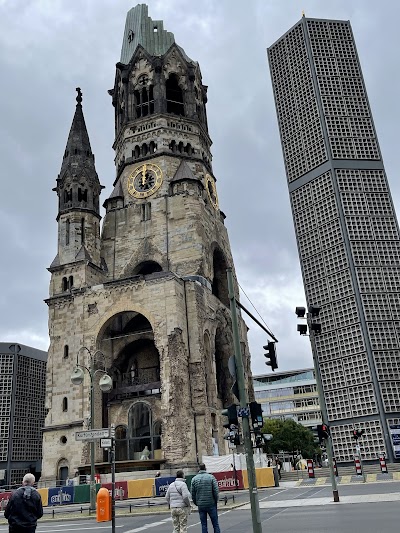
Kaiser Wilhelm Memorial Church
Charlottenburg
The ruined spire of this neo-Romanesque church was left standing after WWII bombings as a dramatic monument to peace.
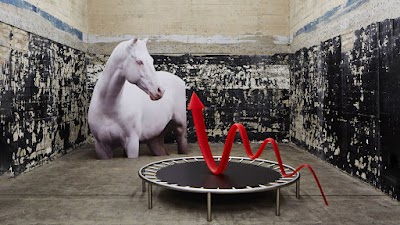
Boros Collection
Mitte
A world-class private contemporary art collection housed inside a massive, five-story WWII concrete bunker.
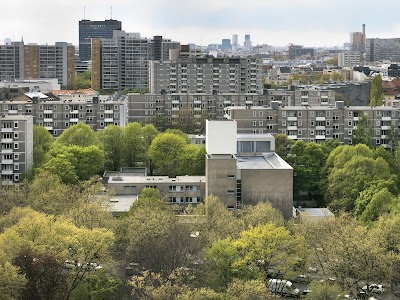
König Galerie
Kreuzberg
An influential contemporary art gallery housed in St. Agnes, a monumental, brutalist former church built in the 1960s.
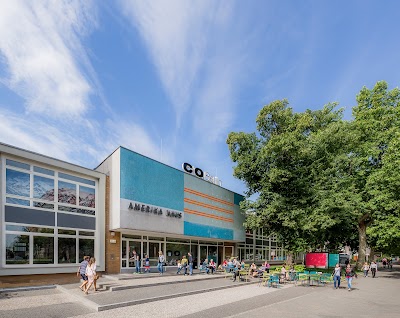
C/O Berlin
Charlottenburg
A prestigious exhibition space dedicated exclusively to photography and visual media, located in the historic Amerika Haus.
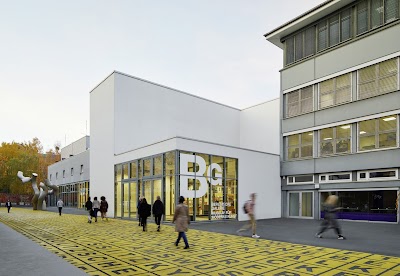
Berlinische Galerie
Kreuzberg
The state museum for modern art, photography, and architecture created in the city from 1870 to the present day.
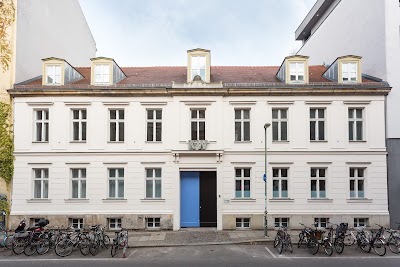
KW Institute for Contemporary Art
Mitte
A progressive, experimental art institution housed in a former margarine factory, known for hosting the Berlin Biennale.
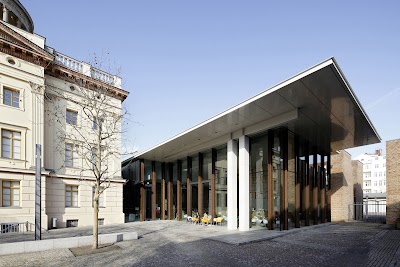
Sammlung Scharf-Gerstenberg
Charlottenburg
An exceptional collection focusing on surrealist and symbolist art, featuring works by Dalí, Magritte, and Max Ernst.
Book ahead
Top-rated experiences in Berlin

Berlin Food & Cultural Tour: Must-Try German & Berliner Classics
from $140

5hours: Guide, Chauffeur & Photographer in Berlin private Tour
from $694

Private Berlin Custom Half-Day Tour with Private Driver and Guide
from $376

BERLIN PHOTO TOUR with a professional Photographer from Berlin
from $128

Private All-in-One Berlin Shore Excursion from Warnemünde Port
from $234

Charité Hospital Walking Tour: Exploring Berlin’s Medical History
from $29

Private Multi-Day Auto Factory Tour from Munich with Hotels
from $7500

Berlin City Center: The Most Famous Sites (private 3 hours Walking tour)
from $341
Prices from Viator; we may earn a commission when you book — at no extra cost to you. Tours are sold and operated by Viator, the merchant of record. Ratings are collected by Viator and Tripadvisor.
Timing
When to visit
Spring
Crisp air and cherry blossoms along the former Wall path. The city shakes off its winter hibernation, and outdoor cafe seating returns to the sidewalks.
Summer
Long days and warm nights. Life moves entirely outdoors to canal banks, beer gardens, and open-air clubs, though key tourist spots get crowded.
Autumn
The foliage in Tiergarten turns golden. Temperatures drop quickly, but the cultural calendar is packed and museum lines are manageable.
Winter
Cold, dark, and windy. Biting Baltic drafts sweep down the wide boulevards, but the city compensates with atmospheric Christmas markets and peak clubbing season.
What it costs
Budgeting
Logistics
Getting around
From the airport
Berlin Brandenburg Airport (BER) is connected to the city center by the Airport Express (FEX) and regional trains, reaching Hauptbahnhof in under 30 minutes. S-Bahn lines S9 and S45 also service the terminals but take longer.
Public transit
The BVG network is highly efficient, combining the U-Bahn (subway), S-Bahn (elevated trains), trams, and buses. On weekends, the main U-Bahn and S-Bahn lines run continuously through the night.
Passes & tickets
The Berlin WelcomeCard offers unlimited travel and discounts at major attractions (approximate price band €€). If you do not plan to visit many museums, a standard 24-hour transit ticket for zones AB is a more economical choice (approximate price band €).
On foot
Berlin is too vast to navigate solely on foot. While individual neighborhoods are highly walkable, traveling between districts requires using the transit system or renting a bicycle.
Travel smart
Safety & etiquette
Local etiquette
- •Do not walk in the red-paved bicycle lanes on sidewalks; cyclists ride fast and will yell or collide with you.
- •When finished with bottled drinks, leave the glass bottles ('Pfand') neatly underneath public trash cans rather than throwing them inside, so bottle collectors can easily gather them.
- •Always wait for the green pedestrian light to cross the street; jaywalking is heavily frowned upon by locals.
From the ground
Practical tips
1
Buy a transit ticket before boarding and validate it immediately on the platform; inspectors wear civilian clothes and do not accept excuses.
2
Many museums are closed on Mondays, so plan your cultural visits for later in the week.
3
Book your free Reichstag dome visit weeks in advance, as security clearance requires passport details and slots fill up quickly.
4
Carry a €1 coin for supermarket trolleys and lockers at major museums.
5
If you are visiting in winter, pack windproof clothing; the wide socialist boulevards act as wind tunnels for freezing Baltic air.
6
Tipping is casual; round up to the nearest even Euro amount or add about 5-10% for good service, telling the server the total amount as you hand over the money.
Berlin FAQs
How do I get into Berghain?
There is no guaranteed formula, but dressing in dark, simple clothing, speaking quiet German in line, and not using your phone will improve your chances.
Can I pay with credit cards in Berlin?
Many smaller cafes, bars, and street food stalls still strictly accept cash only, so always carry Euros.
Is the tap water safe to drink?
Yes, the tap water is of exceptionally high quality and completely safe, though restaurants rarely serve it for free.
Do I need to speak German?
No, English is widely and fluently spoken in almost all shops, restaurants, and bars, especially in the eastern districts.
How does the recycling system work for bottles?
Most plastic and glass bottles carry a deposit (Pfand) and should be returned to automated machines in supermarkets for a cash refund.